Targeted genome engineering in human induced pluripotent stem cells by penetrating TALENs.
BACKGROUND: Zinc-finger nucleases (ZFNs) and transcription activator-like effector nucleases (TALENs) have been successfully used to knock out endogenous genes in stem cell research. However,the deficiencies of current gene-based delivery systems may hamper the clinical application of these nucleases. A new delivery method that can improve the utility of these nucleases is needed.backslashnbackslashnRESULTS: In this study,we utilized a cell-penetrating peptide-based system for ZFN and TALEN delivery. Functional TAT-ZFN and TAT-TALEN proteins were generated by fusing the cell-penetrating TAT peptide to ZFN and TALEN,respectively. However,TAT-ZFN was difficult to purify in quantities sufficient for analysis in cell culture. Purified TAT-TALEN was able to penetrate cells and disrupt the gene encoding endogenous human chemokine (C-C motif) receptor 5 (CCR5,a co-receptor for HIV-1 entry into cells). Hypothermic treatment greatly enhanced the TAT-TALEN-mediated gene disruption efficiency. A 5% modification rate was observed in human induced pluripotent stem cells (hiPSCs) treated with TAT-TALEN as measured by the Surveyor assay.backslashnbackslashnCONCLUSIONS: TAT-TALEN protein-mediated gene disruption was applicable in hiPSCs and represents a promising technique for gene knockout in stem cells. This new technique may advance the clinical application of TALEN technology.
View Publication
产品类型:
产品号#:
05850
05857
05870
05875
85850
85857
85870
85875
产品名:
mTeSR™1
mTeSR™1
Tian L et al. ( 2016)
1353 271--283
In Vitro Modeling of Alcohol-Induced Liver Injury using Human-Induced Pluripotent Stem Cells
Alcohol consumption has long been associated with a majority of liver diseases and has been found to influence both fetal and adult liver functions. In spite of being one of the major causes of morbidity and mortality in the world,currently,there are no effective strategies that can prevent or treat alcoholic liver disease (ALD),due to a lack of human-relevant research models. Recent success in generation of functionally active mature hepatocyte-like cells from human-induced pluripotent cells (iPSCs) enables us to better understand the effects of alcohol on liver functions. Here,we describe the method and effect of alcohol exposure on multistage hepatic cell types derived from human iPSCs,in an attempt to recapitulate the early stages of liver tissue injury associated with ALD. We exposed different stages of iPSC-induced hepatic cells to ethanol at a pathophysiological concentration. In addition to stage-specific molecular markers,we measured several key cellular parameters of hepatocyte injury,including apoptosis,proliferation,and lipid accumulation.
View Publication
产品类型:
产品号#:
产品名:
Krishnamurthy S et al. (DEC 2010)
Cancer research 70 23 9969--78
Endothelial cell-initiated signaling promotes the survival and self-renewal of cancer stem cells.
Recent studies have demonstrated that cancer stem cells play an important role in the pathobiology of head and neck squamous cell carcinomas (HNSCC). However,little is known about functional interactions between head and neck cancer stem-like cells (CSC) and surrounding stromal cells. Here,we used aldehyde dehydrogenase activity and CD44 expression to sort putative stem cells from primary human HNSCC. Implantation of 1,000 CSC (ALDH+CD44+Lin-) led to tumors in 13 (out of 15) mice,whereas 10,000 noncancer stem cells (ALDH-CD44-Lin-) resulted in 2 tumors in 15 mice. These data demonstrated that ALDH and CD44 select a subpopulation of cells that are highly tumorigenic. The ability to self-renew was confirmed by the observation that ALDH+CD44+Lin- cells sorted from human HNSCC formed more spheroids (orospheres) in 3-D agarose matrices or ultra-low attachment plates than controls and were serially passaged in vivo. We observed that approximately 80% of the CSC were located in close proximity (within 100-μm radius) of blood vessels in human tumors,suggesting the existence of perivascular niches in HNSCC. In vitro studies demonstrated that endothelial cell-secreted factors promoted self-renewal of CSC,as demonstrated by the upregulation of Bmi-1 expression and the increase in the number of orospheres as compared with controls. Notably,selective ablation of tumor-associated endothelial cells stably transduced with a caspase-based artificial death switch (iCaspase-9) caused a marked reduction in the fraction of CSC in xenograft tumors. Collectively,these findings indicate that endothelial cell-initiated signaling can enhance the survival and self-renewal of head and neck CSC.
View Publication
产品类型:
产品号#:
01700
01705
01702
产品名:
ALDEFLUOR™ 试剂盒
ALDEFLUOR™ DEAB试剂, 1.5 mM, 1 mL
ALDEFLUOR™检测缓冲液
Spence JR et al. (FEB 2010)
Nature 470 7332 105--109
Directed differentiation of human pluripotent stem cells into intestinal tissue in vitro
Studies in embryonic development have guided successful efforts to direct the differentiation of human embryonic and induced pluripotent stem cells (PSCs) into specific organ cell types in vitro. For example,human PSCs have been differentiated into monolayer cultures of liver hepatocytes and pancreatic endocrine cells that have therapeutic efficacy in animal models of liver disease and diabetes,respectively. However,the generation of complex three-dimensional organ tissues in vitro remains a major challenge for translational studies. Here we establish a robust and efficient process to direct the differentiation of human PSCs into intestinal tissue in vitro using a temporal series of growth factor manipulations to mimic embryonic intestinal development. This involved activin-induced definitive endoderm formation,FGF/Wnt-induced posterior endoderm pattering,hindgut specification and morphogenesis,and a pro-intestinal culture system to promote intestinal growth,morphogenesis and cytodifferentiation. The resulting three-dimensional intestinal 'organoids' consisted of a polarized,columnar epithelium that was patterned into villus-like structures and crypt-like proliferative zones that expressed intestinal stem cell markers. The epithelium contained functional enterocytes,as well as goblet,Paneth and enteroendocrine cells. Using this culture system as a model to study human intestinal development,we identified that the combined activity of WNT3A and FGF4 is required for hindgut specification whereas FGF4 alone is sufficient to promote hindgut morphogenesis. Our data indicate that human intestinal stem cells form de novo during development. We also determined that NEUROG3,a pro-endocrine transcription factor that is mutated in enteric anendocrinosis,is both necessary and sufficient for human enteroendocrine cell development in vitro. PSC-derived human intestinal tissue should allow for unprecedented studies of human intestinal development and disease.
View Publication
产品类型:
产品号#:
05850
05857
05870
05875
85850
85857
85870
85875
产品名:
mTeSR™1
mTeSR™1
Li W et al. (JAN 2012)
Human Molecular Genetics 21 1 32--45
Modeling abnormal early development with induced pluripotent stem cells from aneuploid syndromes
Many human diseases share a developmental origin that manifests during childhood or maturity. Aneuploid syndromes are caused by supernumerary or reduced number of chromosomes and represent an extreme example of developmental disease,as they have devastating consequences before and after birth. Investigating how alterations in gene dosage drive these conditions is relevant because it might help treat some clinical aspects. It may also provide explanations as to how quantitative differences in gene expression determine phenotypic diversity and disease susceptibility among natural populations. Here,we aimed to produce induced pluripotent stem cell (iPSC) lines that can be used to improve our understanding of aneuploid syndromes. We have generated iPSCs from monosomy X [Turner syndrome (TS)],trisomy 8 (Warkany syndrome 2),trisomy 13 (Patau syndrome) and partial trisomy 11;22 (Emanuel syndrome),using either skin fibroblasts from affected individuals or amniocytes from antenatal diagnostic tests. These cell lines stably maintain the karyotype of the donors and behave like embryonic stem cells in all tested assays. TS iPSCs were used for further studies including global gene expression analysis and tissue-specific directed differentiation. Multiple clones displayed lower levels of the pseudoautosomal genes ASMTL and PPP2R3B than the controls. Moreover,they could be transformed into neural-like,hepatocyte-like and heart-like cells,but displayed insufficient up-regulation of the pseudoautosomal placental gene CSF2RA during embryoid body formation. These data support that abnormal organogenesis and early lethality in TS are not caused by a tissue-specific differentiation blockade,but rather involves other abnormalities including impaired placentation.
View Publication
Efficient Expansion of Dissociated Human Pluripotent Stem Cells Using a Synthetic Substrate.
Human pluripotent stem cells (hPSCs),including human embryonic stem cells and human-induced pluripotent stem cells,are a renewable cell source for a wide range of applications in regenerative medicine and useful tools for human disease modeling and drug discovery. For these purposes,large numbers of high-quality cells are essential. Recently,we showed that a biological substrate,recombinant E8 fragments of laminin isoforms,sustains long-term self-renewal of hPSCs in defined,xeno-free medium with dissociated single-cell passaging. Here,we describe a modified culture system with similar performance to efficiently expand hPSCs under defined,xeno-free conditions using a non-biological synthetic substrate.
View Publication
产品类型:
产品号#:
05860
05880
05850
05857
05870
05875
85850
85857
85870
85875
产品名:
mTeSR™1
mTeSR™1
Vanuytsel K et al. (SEP 2014)
Stem Cell Research 13 2 240--250
FANCA knockout in human embryonic stem cells causes a severe growth disadvantage
Fanconi anemia (FA) is an autosomal recessive disorder characterized by progressive bone marrow failure (BMF) during childhood,aside from numerous congenital abnormalities. FA mouse models have been generated; however,they do not fully mimic the hematopoietic phenotype. As there is mounting evidence that the hematopoietic impairment starts already in utero,a human pluripotent stem cell model would constitute a more appropriate system to investigate the mechanisms underlying BMF in FA and its developmental basis. Using zinc finger nuclease (ZFN) technology,we have created a knockout of FANCA in human embryonic stem cells (hESC). We introduced a selection cassette into exon 2 thereby disrupting the FANCA coding sequence and found that whereas mono-allelically targeted cells retain an unaltered proliferation potential,disruption of the second allele causes a severe growth disadvantage. As a result,heterogeneous cultures arise due to the presence of cells still carrying an unaffected FANCA allele,quickly outgrowing the knockout cells. When pure cultures of FANCA knockout hESC are pursued either through selection or single cell cloning,this rapidly results in growth arrest and such cultures cannot be maintained. These data highlight the importance of a functional FA pathway at the pluripotent stem cell stage. ?? 2014.
View Publication
产品类型:
产品号#:
05850
05857
05870
05875
85850
85857
85870
85875
产品名:
mTeSR™1
mTeSR™1
Liao J et al. (MAY 2015)
Nature Publishing Group 47 5 469--478
Targeted disruption of DNMT1, DNMT3A and DNMT3B in human embryonic stem cells.
Ignatius Irudayam J et al. (DEC 2015)
Data in Brief 5 871--878
Profile of Inflammation-associated genes during Hepatic Differentiation of Human Pluripotent Stem Cells
Expression of genes associated with inflammation was analyzed during differentiation of human pluripotent stem cells (PSCs) to hepatic cells. Messenger RNA transcript profiles of differentiated endoderm (day 5),hepatoblast (day 15) and hepatocyte-like cells (day 21) were obtained by RNA sequencing analysis. When compared to endoderm cells an immature cell type,the hepatic cells (days 15 and 21) had significantly higher expression of acute phase protein genes including complement factors,coagulation factors,serum amyloid A and serpins. Furthermore,hepatic phase of cells expressed proinflammatory cytokines IL18 and IL32 as well as cytokine receptors IL18R1,IL1R1,IL1RAP,IL2RG,IL6R,IL6ST and IL10RB. These cells also produced CCL14,CCL15,and CXCL- 1,2,3,16 and 17 chemokines. Endoderm cells had higher levels of chemokine receptors,CXCR4 and CXCR7,than that of hepatic cells. Sirtuin family of genes involved in aging,inflammation and metabolism were differentially regulated in endoderm and hepatic phase cells. Ligands and receptors of the tumor necrosis factor (TNF) family as well as downstream signaling factors TRAF2,TRAF4,FADD,NFKB1 and NFKBIB were differentially expressed during hepatic differentiation.
View Publication
产品类型:
产品号#:
05850
05857
05870
05875
85850
85857
85870
85875
产品名:
mTeSR™1
mTeSR™1
Harb N et al. (JAN 2008)
PLoS ONE 3 8 e3001
The Rho-Rock-Myosin signaling axis determines cell-cell integrity of self-renewing pluripotent stem cells.
BACKGROUND: Embryonic stem (ES) cells self-renew as coherent colonies in which cells maintain tight cell-cell contact. Although intercellular communications are essential to establish the basis of cell-specific identity,molecular mechanisms underlying intrinsic cell-cell interactions in ES cells at the signaling level remain underexplored.backslashnbackslashnMETHODOLOGY/PRINCIPAL FINDINGS: Here we show that endogenous Rho signaling is required for the maintenance of cell-cell contacts in ES cells. siRNA-mediated loss of function experiments demonstrated that Rock,a major effector kinase downstream of Rho,played a key role in the formation of cell-cell junctional assemblies through regulation of myosin II by controlling a myosin light chain phosphatase. Chemical engineering of this signaling axis by a Rock-specific inhibitor revealed that cell-cell adhesion was reversibly controllable and dispensable for self-renewal of mouse ES cells as confirmed by chimera assay. Furthermore,a novel culture system combining a single synthetic matrix,defined medium,and the Rock inhibitor fully warranted human ES cell self-renewal independent of animal-derived matrices,tight cell contacts,or fibroblastic niche-forming cells as determined by teratoma formation assay.backslashnbackslashnCONCLUSIONS/SIGNIFICANCE: These findings demonstrate an essential role of the Rho-Rock-Myosin signaling axis for the regulation of basic cell-cell communications in both mouse and human ES cells,and would contribute to advance in medically compatible xeno-free environments for human pluripotent stem cells.
View Publication


 EasySep™小鼠TIL(CD45)正选试剂盒





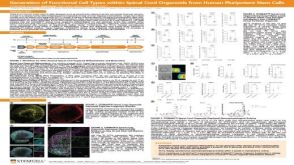 科学海报Generation of Functional 3D Spinal Cord Organoids from Human Pluripotent Stem Cells
 沪公网安备31010102008431号