Panova AV et al. (APR 2013)
Acta Naturae 5 17 54--61
Late Replication of the Inactive X Chromosome Is Independent of the Compactness of Chromosome Territory in Human Pluripotent Stem Cells
Dosage compensation of the X chromosomes in mammals is performed via the formation of facultative heterochromatin on extra X chromosomes in female somatic cells. Facultative heterochromatin of the inactivated X (Xi),as well as constitutive heterochromatin,replicates late during the S-phase. It is generally accepted that Xi is always more compact in the interphase nucleus. The dense chromosomal folding has been proposed to define the late replication of Xi. In contrast to mouse pluripotent stem cells (PSCs),the status of X chromosome inactivation in human PSCs may vary significantly. Fluorescence in situ hybridization with a whole X-chromosome- specific DNA probe revealed that late-replicating Xi may occupy either compact or dispersed territory in human PSCs. Thus,the late replication of the Xi does not depend on the compactness of chromosome territory in human PSCs. However,the Xi reactivation and the synchronization in the replication timing of X chromosomes upon reprogramming are necessarily accompanied by the expansion of X chromosome territory.
View Publication
产品类型:
产品号#:
05850
05857
05870
05875
85850
85857
85870
85875
产品名:
mTeSR™1
mTeSR™1
Diniz B et al. (JUL 2013)
Investigative Ophthalmology and Visual Science 54 7 5087--5096
Subretinal Implantation of Retinal Pigment Epithelial Cells Derived From Human Embryonic Stem Cells: Improved Survival When Implanted as a Monolayer
PURPOSE: To evaluate cell survival and tumorigenicity of human embryonic stem cell-derived retinal pigment epithelium (hESC-RPE) transplantation in immunocompromised nude rats. Cells were transplanted as a cell suspension (CS) or as a polarized monolayer plated on a parylene membrane (PM).backslashnbackslashnMETHODS: Sixty-nine rats (38 male,31 female) were surgically implanted with CS (n = 33) or PM (n = 36). Cohort subsets were killed at 1,6,and 12 months after surgery. Both ocular tissues and systemic organs (brain,liver,kidneys,spleen,heart,and lungs) were fixed in 4% paraformaldehyde,embedded in paraffin,and sectioned. Every fifth section was stained with hematoxylin and eosin and analyzed histologically. Adjacent sections were processed for immunohistochemical analysis (as needed) using the following antibodies: anti-RPE65 (RPE-specific marker),anti-TRA-1-85 (human cell marker),anti-Ki67 (proliferation marker),anti-CD68 (macrophage),and anti-cytokeratin (epithelial marker).backslashnbackslashnRESULTS: The implanted cells were immunopositive for the RPE65 and TRA-1-85. Cell survival (P = 0.006) and the presence of a monolayer (P textless 0.001) of hESC-RPE were significantly higher in eyes that received the PM. Gross morphological and histological analysis of the eye and the systemic organs after the surgery revealed no evidence of tumor or ectopic tissue formation in either group.backslashnbackslashnCONCLUSIONS: hESC-RPE can survive for at least 12 months in an immunocompromised animal model. Polarized monolayers of hESC-RPE show improved survival compared to cell suspensions. The lack of teratoma or any ectopic tissue formation in the implanted rats bodes well for similar results with respect to safety in human subjects.
View Publication
产品类型:
产品号#:
05850
05857
05870
05875
85850
85857
85870
85875
产品名:
mTeSR™1
mTeSR™1
Zhu H et al. (OCT 2013)
Nucleic Acids Research 41 19 e180
Baculoviral transduction facilitates TALEN-mediated targeted transgene integration and Cre/LoxP cassette exchange in human-induced pluripotent stem cells
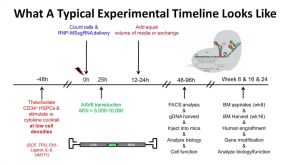
Safety and reliability of transgene integration in human genome continue to pose challenges for stem cell-based gene therapy. Here,we report a baculovirus-transcription activator-like effector nuclease system for AAVS1 locus-directed homologous recombination in human induced pluripotent stem cells (iPSCs). This viral system,when optimized in human U87 cells,provided a targeted integration efficiency of 95.21% in incorporating a Neo-eGFP cassette and was able to mediate integration of DNA insert up to 13.5 kb. In iPSCs,targeted integration with persistent transgene expression was achieved without compromising genomic stability. The modified iPSCs continued to express stem cell pluripotency markers and maintained the ability to differentiate into three germ lineages in derived embryoid bodies. Using a baculovirus-Cre/LoxP system in the iPSCs,the Neo-eGFP cassette at the AAVS1 locus could be replaced by a Hygro-mCherry cassette,demonstrating the feasibility of cassette exchange. Moreover,as assessed by measuring γ-H2AX expression levels,genome toxicity associated with chromosomal double-strand breaks was not detectable after transduction with moderate doses of baculoviral vectors expressing transcription activator-like effector nucleases. Given high targeted integration efficiency,flexibility in transgene exchange and low genome toxicity,our baculoviral transduction-based approach offers great potential and attractive option for precise genetic manipulation in human pluripotent stem cells.
View Publication
C. Kropp et al. (Oct 2016)
Stem cells translational medicine 5 1289-1301
Impact of Feeding Strategies on the Scalable Expansion of Human Pluripotent Stem Cells in Single-Use Stirred Tank Bioreactors.
The routine application of human pluripotent stem cells (hPSCs) and their derivatives in biomedicine and drug discovery will require the constant supply of high-quality cells by defined processes. Culturing hPSCs as cell-only aggregates in (three-dimensional [3D]) suspension has the potential to overcome numerous limitations of conventional surface-adherent (two-dimensional [2D]) cultivation. Utilizing single-use instrumented stirred-tank bioreactors,we showed that perfusion resulted in a more homogeneous culture environment and enabled superior cell densities of 2.85 X 10(6) cells per milliliter and 47% higher cell yields compared with conventional repeated batch cultures. Flow cytometry,quantitative reverse-transcriptase polymerase chain reaction,and global gene expression analysis revealed a high similarity across 3D suspension and 2D precultures,underscoring that matrix-free hPSC culture efficiently supports maintenance of pluripotency. Interestingly,physiological data and gene expression assessment indicated distinct changes of the cells' energy metabolism,suggesting a culture-induced switch from glycolysis to oxidative phosphorylation in the absence of hPSC differentiation. Our data highlight the plasticity of hPSCs' energy metabolism and provide clear physiological and molecular targets for process monitoring and further development. This study paves the way toward more efficient GMP-compliant cell production and underscores the enormous process development potential of hPSCs in suspension culture. SIGNIFICANCE Human pluripotent stem cells (hPSCs) are a unique source for the,in principle,unlimited production of functional human cell types in vitro,which are of high value for therapeutic and industrial applications. This study applied single-use,clinically compliant bioreactor technology to develop advanced,matrix-free,and more efficient culture conditions for the mass production of hPSCs in scalable suspension culture. Using extensive analytical tools to compare established conditions with this novel culture strategy,unexpected physiological features of hPSCs were discovered. These data allow a more rational process development,providing significant progress in the field of translational stem cell research and medicine.
View Publication


 EasySep™小鼠TIL(CD45)正选试剂盒





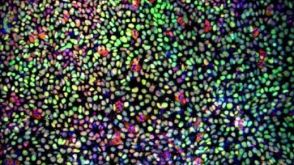 实验方案Maintenance of Porcine Pluripotent Stem Cells (pPSCs) Using eTeSR™
 技术公告Extracellular Vesicle Generation from Mesenchymal Stromal Cells Using MesenCult™-ACF Plus


 沪公网安备31010102008431号