Moore S et al. ( 2017)
Methods in molecular biology (Clifton,N.J.) 1541 127--142
Cytoplasmic Immunoglobulin Light Chain Revelation and Interphase Fluorescence In Situ Hybridization in Myeloma.
The cytogenetic analysis of plasma cell myeloma (PCM) allows stratification of patients so that prognosis may be determined and appropriate therapeutic options can be discussed. Owing to the patchy nature of the disease in the bone marrow (BM),the low proliferative activity of plasma cells and the cryptic nature of some PCM-associated cytogenetic changes,karyotypic analysis in this disease should be augmented with targeted interphase fluorescence in situ hybridization (FISH). Immunofluorescent revelation of cytoplasmic immunoglobulin light chains,together with interphase FISH (cIg-FISH),allows the identification of plasma cells within a sample so that they may be scored preferentially. This is particularly useful in situations where there are only a small percentage of plasma cells in a sample. Where an underlying myeloid disease is suspected the cIg-FISH-negative cells can be scored separately. Two methods are provided in this chapter: the technique for cIg-FISH in fresh PCM BM samples and a procedure for use in fixed cytogenetics preparations.
View Publication
文献
Guryanova OA et al. (NOV 2016)
Nature Medicine
DNMT3A mutations promote anthracycline resistance in acute myeloid leukemia via impaired nucleosome remodeling.
Although the majority of patients with acute myeloid leukemia (AML) initially respond to chemotherapy,many of them subsequently relapse,and the mechanistic basis for AML persistence following chemotherapy has not been determined. Recurrent somatic mutations in DNA methyltransferase 3A (DNMT3A),most frequently at arginine 882 (DNMT3A(R882)),have been observed in AML and in individuals with clonal hematopoiesis in the absence of leukemic transformation. Patients with DNMT3A(R882) AML have an inferior outcome when treated with standard-dose daunorubicin-based induction chemotherapy,suggesting that DNMT3A(R882) cells persist and drive relapse. We found that Dnmt3a mutations induced hematopoietic stem cell expansion,cooperated with mutations in the FMS-like tyrosine kinase 3 gene (Flt3(ITD)) and the nucleophosmin gene (Npm1(c)) to induce AML in vivo,and promoted resistance to anthracycline chemotherapy. In patients with AML,the presence of DNMT3A(R882) mutations predicts minimal residual disease,underscoring their role in AML chemoresistance. DNMT3A(R882) cells showed impaired nucleosome eviction and chromatin remodeling in response to anthracycline treatment,which resulted from attenuated recruitment of histone chaperone SPT-16 following anthracycline exposure. This defect led to an inability to sense and repair DNA torsional stress,which resulted in increased mutagenesis. Our findings identify a crucial role for DNMT3A(R882) mutations in driving AML chemoresistance and highlight the importance of chromatin remodeling in response to cytotoxic chemotherapy.
View Publication
文献
Kanzaki H et al. ( 2016)
Scientific Reports 6 August 32259
A-Disintegrin and Metalloproteinase (ADAM) 17 enzymatically degrades interferon-gamma
Clark PA et al. (JUL 2016)
Molecular pharmaceutics acs.molpharmaceut.6b00441
Analysis of Cancer-targeting Alkylphosphocholine Analog Permeability Characteristics Using a Human Induced Pluripotent Stem Cell Blood-Brain Barrier Model.
Cancer-targeting alkylphosphocholine (APC) analogs are being clinically developed for diagnostic imaging,intraoperative visualization,and therapeutic applications. These APC analogs derived from chemically-synthesized phospholipid ethers were identified and optimized for cancer-targeting specificity using extensive structure-activity studies. While they strongly label human brain cancers associated with disrupted blood-brain barriers (BBB),APC permeability across intact BBB remains unknown. Three of our APC analogs,CLR1404 (PET radiotracer),CLR1501 (green fluorescence),and CLR1502 (near infrared fluorescence),were tested for permeability across a BBB model composed of human induced pluripotent stem cell-derived brain microvascular endothelial cells (iPSC-derived BMECs). This in vitro BBB system has reproducibly consistent high barrier integrity marked by high transendothelial electrical resistance (TEERtextgreater1500 Ω-cm(2)) and functional expression of drug efflux transporters. Our radioiodinated and fluorescent APC analogs demonstrated fairly low permeability across the iPSC-BMEC (35±5.7 (CLR1404),54±3.2 (CLR1501),and 26±4.9 (CLR1502) x10(-5) cm/min) compared with BBB-impermeable sucrose (13±2.5) and BBB-permeable diazepam (170±29). Only our fluorescent APC analogs (CLR1501,CLR1502) underwent BCRP and MRP polarized drug efflux transport in the brain-to-blood direction of the BBB model and this efflux can be specifically blocked with pharmacological inhibition. None of our tested APC analogs appeared to undergo substantial P-gp transport. Limited permeability of our APC analogs across an intact BBB into normal brain likely contributes to the high tumor to background ratios observed in initial human trials. Moreover,addition of fluorescent moieties to APCs resulted in greater BMEC efflux via MRP and BCRP,and may affect fluorescence-guided applications. Overall,the characterization of APC analog permeability across human BBB is significant for advancing future brain tumor-targeted applications of these agents.
View Publication
文献
Li T et al. ( 2016)
Scientific reports 6 27055
Immuno-targeting the multifunctional CD38 using nanobody.
CD38,as a cell surface antigen is highly expressed in several hematologic malignancies including multiple myeloma (MM) and has been proven to be a good target for immunotherapy of the disease. CD38 is also a signaling enzyme responsible for the metabolism of two novel calcium messenger molecules. To be able to target this multifunctional protein,we generated a series of nanobodies against CD38 with high affinities. Crystal structures of the complexes of CD38 with the nanobodies were solved,identifying three separate epitopes on the carboxyl domain. Chromobodies,engineered by tagging the nanobody with fluorescence proteins,provide fast,simple and versatile tools for quantifying CD38 expression. Results confirmed that CD38 was highly expressed in malignant MM cells compared with normal white blood cells. The immunotoxin constructed by splicing the nanobody with a bacterial toxin,PE38 shows highly selective cytotoxicity against patient-derived MM cells as well as the cell lines,with half maximal effective concentration reaching as low as 10(-11) molar. The effectiveness of the immunotoxin can be further increased by stimulating CD38 expression using retinoid acid. These results set the stage for the development of clinical therapeutics as well as diagnostic screening for myeloma.
View Publication
文献
Wang W et al. (MAY 2016)
Cell 165 5 1092--105
Effector T Cells Abrogate Stroma-Mediated Chemoresistance in Ovarian Cancer.
Effector T cells and fibroblasts are major components in the tumor microenvironment. The means through which these cellular interactions affect chemoresistance is unclear. Here,we show that fibroblasts diminish nuclear accumulation of platinum in ovarian cancer cells,resulting in resistance to platinum-based chemotherapy. We demonstrate that glutathione and cysteine released by fibroblasts contribute to this resistance. CD8(+) T cells abolish the resistance by altering glutathione and cystine metabolism in fibroblasts. CD8(+) T-cell-derived interferon (IFN)γ controls fibroblast glutathione and cysteine through upregulation of gamma-glutamyltransferases and transcriptional repression of system xc(-) cystine and glutamate antiporter via the JAK/STAT1 pathway. The presence of stromal fibroblasts and CD8(+) T cells is negatively and positively associated with ovarian cancer patient survival,respectively. Thus,our work uncovers a mode of action for effector T cells: they abrogate stromal-mediated chemoresistance. Capitalizing upon the interplay between chemotherapy and immunotherapy holds high potential for cancer treatment.
View Publication
文献
Anjanappa M et al. (APR 2016)
Molecular cancer research : MCR
Distinct Effects of Adipose-derived Stem Cells and Adipocytes on Normal and Cancer Cell Hierarchy.
Adipose-derived stem cells (ASCs) have received considerable attention in oncology because of the known direct link between obesity and cancer as well as the use of ASCs in reconstructive surgery after tumor ablation. Previous studies have documented how cancer cells commandeer ASCs to support their survival by altering extracellular matrix (ECM) composition and stiffness,migration,and metastasis. This study focused on delineating the effects of ASCs and adipocytes on the self-renewal of stem/progenitor cells and hierarchy of breast epithelial cells. The immortalized breast epithelial cell line MCF10A,ductal carcinoma in situ (DCIS) cell lines MCF10DCIS.com and SUM225,and MCF10A overexpressing SRC oncogene were examined using a mammosphere assay and flow cytometry for the effects of ASCs on their self-renewal and stem-luminal progenitor-differentiated cell surface marker profiles. Interestingly,ASCs promoted the self-renewal of all cell types except SUM225. ASC co-culture or treatment with ASC conditioned media (CM) altered the number of CD49fhigh/EpCAMlow basal/stem-like and CD49fmedium/EpCAMmedium luminal progenitor cells. Among multiple factors secreted by ASCs,IFN$$ and HGF displayed unique actions on epithelial cell hierarchy. IFN$$ increased stem/progenitor-like cells while simultaneously reducing the size of mammospheres,whereas HGF increased the size of mammospheres with an accompanying increase in luminal progenitor cells. ASCs expressed higher levels of HGF,whereas adipocytes expressed higher levels of IFN$$. Since luminal progenitor cells are believed to be prone for transformation,IFN$$ and HGF expression status of ASCs may influence susceptibility for developing breast cancer as well as on outcomes of autologous fat transplantation on residual/dormant tumor cells. IMPLICATIONS This study suggests that the ratio of adipose-derived stem cells to adipocytes influences cancer cell hierarchy,which may impact incidence and progression.
View Publication
文献
Vanden Bempt M et al. (MAR 2016)
Leukemia March 8 Epub ahead of print
Generation of the Fip1l1–Pdgfra fusion gene using CRISPR/Cas genome editing
Effect of Melatonin in Epithelial Mesenchymal Transition Markers and Invasive Properties of Breast Cancer Stem Cells of Canine and Human Cell Lines.
Cancer stem cells (CSCs) have been associated with metastasis and therapeutic resistance and can be generated via epithelial mesenchymal transition (EMT). Some studies suggest that the hormone melatonin acts in CSCs and may participate in the inhibition of the EMT. The objectives of this study were to evaluate the formation of mammospheres from the canine and human breast cancer cell lines,CMT-U229 and MCF-7,and the effects of melatonin treatment on the modulation of stem cell and EMT molecular markers: OCT4,E-cadherin,N-cadherin and vimentin,as well as on cell viability and invasiveness of the cells from mammospheres. The CMT-U229 and MCF-7 cell lines were subjected to three-dimensional culture in special medium for stem cells. The phenotype of mammospheres was first evaluated by flow cytometry (CD44+/CD24low/- marking). Cell viability was measured by MTT colorimetric assay and the expression of the proteins OCT4,E-cadherin,N-cadherin and vimentin was evaluated by immunofluorescence and quantified by optical densitometry. The analysis of cell migration and invasion was performed in Boyden Chamber. Flow cytometry proved the stem cell phenotype with CD44+/CD24low/- positive marking for both cell lines. Cell viability of CMT-U229 and MCF-7 cells was reduced after treatment with 1mM melatonin for 24 h (Ptextless0.05). Immunofluorescence staining showed increased E-cadherin expression (Ptextless0.05) and decreased expression of OCT4,N-cadherin and vimentin (Ptextless0.05) in both cell lines after treatment with 1 mM melatonin for 24 hours. Moreover,treatment with melatonin was able to reduce cell migration and invasion in both cell lines when compared to control group (Ptextless0.05). Our results demonstrate that melatonin shows an inhibitory role in the viability and invasiveness of breast cancer mammospheres as well as in modulating the expression of proteins related to EMT in breast CSCs,suggesting its potential anti-metastatic role in canine and human breast cancer cell lines.
View Publication
文献
Zekri J et al. (MAR 2014)
Journal of bone oncology 3 1 25--35
The anti-tumour effects of zoledronic acid.
Bone is the most common site for metastasis in patients with solid tumours. Bisphosphonates are an effective treatment for preventing skeletal related events and preserving quality of life in these patients. Zoledronic acid (ZA) is the most potent osteoclast inhibitor and is licensed for the treatment of bone metastases. Clodronate and pamidronate are also licensed for this indication. In addition,ZA has been demonstrated to exhibit antitumour effect. Direct and indirect mechanisms of anti-tumour effect have been postulated and at many times proven. Evidence exists that ZA antitumour effect is mediated through inhibition of tumour cells proliferation,induction of apoptosis,synergistic/additive to inhibitory effect of cytotoxic agents,inhibition of angiogenesis,decrease tumour cells adhesion to bone,decrease tumour cells invasion and migration,disorganization of cell cytoskeleton and activation of specific cellular antitumour immune response. There is also clinical evidence from clinical trials that ZA improved long term survival outcome in cancer patients with and without bone metastases. In this review we highlight the preclinical and clinical studies investigating the antitumour effect of bisphosphonates with particular reference to ZA.
View Publication
文献
Sancho-Martinez I et al. (FEB 2016)
Nature communications 7 10743
Establishment of human iPSC-based models for the study and targeting of glioma initiating cells.
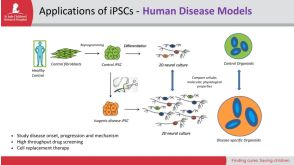
Glioma tumour-initiating cells (GTICs) can originate upon the transformation of neural progenitor cells (NPCs). Studies on GTICs have focused on primary tumours from which GTICs could be isolated and the use of human embryonic material. Recently,the somatic genomic landscape of human gliomas has been reported. RTK (receptor tyrosine kinase) and p53 signalling were found dysregulated in ∼90% and 86% of all primary tumours analysed,respectively. Here we report on the use of human-induced pluripotent stem cells (hiPSCs) for modelling gliomagenesis. Dysregulation of RTK and p53 signalling in hiPSC-derived NPCs (iNPCs) recapitulates GTIC properties in vitro. In vivo transplantation of transformed iNPCs leads to highly aggressive tumours containing undifferentiated stem cells and their differentiated derivatives. Metabolic modulation compromises GTIC viability. Last,screening of 101 anti-cancer compounds identifies three molecules specifically targeting transformed iNPCs and primary GTICs. Together,our results highlight the potential of hiPSCs for studying human tumourigenesis.
View Publication
文献
Powell E et al. ( 2016)
Breast cancer research : BCR 18 1 13
p53 deficiency linked to B cell translocation gene 2 (BTG2) loss enhances metastatic potential by promoting tumor growth in primary and metastatic sites in patient-derived xenograft (PDX) models of triple-negative breast cancer.
BACKGROUND Despite advances in early diagnosis and treatment of cancer patients,metastasis remains the major cause of mortality. TP53 is one of the most frequently mutated genes in human cancer,and these alterations can occur during the early stages of oncogenesis or as later events as tumors progress to more aggressive forms. Previous studies have suggested that p53 plays a role in cellular pathways that govern metastasis. To investigate how p53 deficiency contributes to late-stage tumor growth and metastasis,we developed paired isogenic patient-derived xenograft (PDX) models of triple-negative breast cancer (TNBC) differing only in p53 status for longitudinal analysis. METHODS Patient-derived isogenic human tumor lines differing only in p53 status were implanted into mouse mammary glands. Tumor growth and metastasis were monitored with bioluminescence imaging,and circulating tumor cells (CTCs) were quantified by flow cytometry. RNA-Seq was performed on p53-deficient and p53 wild-type tumors,and functional validation of a lead candidate gene was performed in vivo. RESULTS Isogenic p53 wild-type and p53-deficient tumors metastasized out of mammary glands and colonized distant sites with similar frequency. However,p53-deficient tumors metastasized earlier than p53 wild-type tumors and grew faster in both primary and metastatic sites as a result of increased proliferation and decreased apoptosis. In addition,greater numbers of CTCs were detected in the blood of mice engrafted with p53-deficient tumors. However,when normalized to tumor mass,the number of CTCs isolated from mice bearing parental and p53-deficient tumors was not significantly different. Gene expression profiling followed by functional validation identified B cell translocation gene 2 (BTG2),a downstream effector of p53,as a negative regulator of tumor growth both at primary and metastatic sites. BTG2 expression status correlated with survival of TNBC patients. CONCLUSIONS Using paired isogenic PDX-derived metastatic TNBC cells,loss of p53 promoted tumor growth and consequently increased tumor cell shedding into the blood,thus enhancing metastasis. Loss of BTG2 expression in p53-deficient tumors contributed to this metastatic potential by enhancing tumor growth in primary and metastatic sites. Furthermore,clinical data support conclusions generated from PDX models and indicate that BTG2 expression is a candidate prognostic biomarker for TNBC.
View Publication