Essential role for Ptpn11 in survival of hematopoietic stem and progenitor cells.
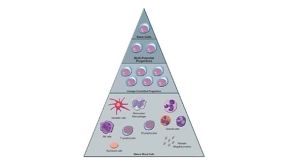
Src homology 2 domain-containing phosphatase 2 (Shp2),encoded by Ptpn11,is a member of the nonreceptor protein-tyrosine phosphatase family,and functions in cell survival,proliferation,migration,and differentiation in many tissues. Here we report that loss of Ptpn11 in murine hematopoietic cells leads to bone marrow aplasia and lethality. Mutant mice show rapid loss of hematopoietic stem cells (HSCs) and immature progenitors of all hematopoietic lineages in a gene dosage-dependent and cell-autonomous manner. Ptpn11-deficient HSCs and progenitors undergo apoptosis concomitant with increased Noxa expression. Mutant HSCs/progenitors also show defective Erk and Akt activation in response to stem cell factor and diminished thrombopoietin-evoked Erk activation. Activated Kras alleviates the Ptpn11 requirement for colony formation by progenitors and cytokine/growth factor responsiveness of HSCs,indicating that Ras is functionally downstream of Shp2 in these cells. Thus,Shp2 plays a critical role in controlling the survival and maintenance of HSCs and immature progenitors in vivo.
View Publication
Tchernychev B et al. (DEC 2010)
Proceedings of the National Academy of Sciences of the United States of America 107 51 22255--9
Discovery of a CXCR4 agonist pepducin that mobilizes bone marrow hematopoietic cells.
The G protein-coupled receptor (GPCR),chemokine CXC-type receptor 4 (CXCR4),and its ligand,CXCL12,mediate the retention of polymorphonuclear neutrophils (PMNs) and hematopoietic stem and progenitor cells (HSPCs) in the bone marrow. Agents that disrupt CXCL12-mediated chemoattraction of CXCR4-expressing cells mobilize PMNs and HSPCs into the peripheral circulation and are therapeutically useful for HSPC collection before autologous bone marrow transplantation (ABMT). Our aim was to develop unique CXCR4-targeted therapeutics using lipopeptide GPCR modulators called pepducins. A pepducin is a synthetic molecule composed of a peptide derived from the amino acid sequence of one of the intracellular (IC) loops of a target GPCR coupled to a lipid tether. We prepared and screened a small CXCR4-targeted pepducin library and identified several pepducins with in vitro agonist activity,including ATI-2341,whose peptide sequence derives from the first IC loop. ATI-2341 induced CXCR4- and G protein-dependent signaling,receptor internalization,and chemotaxis in CXCR4-expressing cells. It also induced dose-dependent peritoneal recruitment of PMNs when administered i.p. to mice. However,when administered systemically by i.v. bolus,ATI-2341 acted as a functional antagonist and dose-dependently mediated release of PMNs from the bone marrow of both mice and cynomolgus monkeys. ATI-2341-mediated release of granulocyte/macrophage progenitor cells from the bone marrow was confirmed by colony-forming assays. We conclude that ATI-2341 is a potent and efficacious mobilizer of bone marrow PMNs and HSPCs and could represent a previously undescribed therapeutic approach for the recruitment of HSPCs before ABMT.
View Publication
Lam BS et al. (JAN 2011)
Blood 117 4 1167--75
Pharmacologic modulation of the calcium-sensing receptor enhances hematopoietic stem cell lodgment in the adult bone marrow.
The ability of hematopoietic stem cells (HSCs) to undergo self-renewal is partly regulated by external signals originating from the stem cell niche. Our previous studies with HSCs obtained from fetal liver of mice deficient for the calcium-sensing receptor (CaR) have shown the crucial role of this receptor in HSC lodgment and engraftment in the bone marrow (BM) endosteal niche. Using a CaR agonist,Cinacalcet,we assessed the effects of stimulating the CaR on the function of murine HSCs. Our results show that CaR stimulation increases primitive hematopoietic cell activity in vitro,including growth in stromal cell cocultures,adhesion to extracellular matrix molecules such as collagen I and fibronectin,and migration toward the chemotactic stimulus,stromal cell-derived factor 1α. Receptor stimulation also led to augmented in vivo homing,CXCR4-mediated lodgment at the endosteal niche,and engraftment capabilities. These mechanisms by which stimulating the CaR dictates preferential localization of HSCs in the BM endosteal niche provide additional insights into the fundamental interrelationship between the stem cell and its niche. These studies also have implications in the area of clinical stem cell transplantation,where ex vivo modulation of the CaR may be envisioned as a strategy to enhance HSC engraftment in the BM.
View Publication
Andreani M et al. (JAN 2011)
Haematologica 96 1 128--33
Quantitatively different red cell/nucleated cell chimerism in patients with long-term, persistent hematopoietic mixed chimerism after bone marrow transplantation for thalassemia major or sickle cell disease.
BACKGROUND: Persistent mixed chimerism represents a state in which recipient and donor cells stably co-exist after hematopoietic stem cell transplantation. However,since in most of the studies reported in literature the engraftment state was observed in the nucleated cells,in this study we determined the donor origin of the mature erythrocytes of patients with persistent mixed chimerism after transplantation for hemoglobinopathies. Results were compared with the engraftment state observed in singly picked out burst-forming unit - erythroid colonies and in the nucleated cells collected from the peripheral blood and from the bone marrow. DESIGN AND METHODS: The donor origin of the erythrocytes was determined analyzing differences on the surface antigens of the erythrocyte suspension after incubation with anti-ABO and/or anti-C,-c,-D,-E and -e monoclonal antibodies by a flow cytometer. Analysis of short tandem repeats was used to determine the donor origin of nucleated cells and burst-forming unit - erythroid colonies singly picked out after 14 days of incubation. RESULTS: The proportions of donor-derived nucleated cells in four transplanted patients affected by hemoglobinopathies were 71%,46%,15% and 25% at day 1364,1385,1314 and 932,respectively. Similar results were obtained for the erythroid precursors,analyzing the donor/recipient origin of the burst-forming unit - erythroid colonies. In contrast,on the same days of observation,the proportions of donor-derived erythrocytes in the four patients with persistent mixed chimerism were 100%,100%,73% and 90%. Conclusions Our results showed that most of the erythrocytes present in four long-term transplanted patients affected by hemoglobinopathies and characterized by the presence of few donor engrafted nucleated cells were of donor origin. The indication that small proportions of donor engrafted cells might be sufficient for clinical control of the disease in patients affected by hemoglobinopathies is relevant,although the biological mechanisms underlying these observations need further investigation.
View Publication
Liu C et al. (DEC 2010)
Blood 116 25 5518--27
Progenitor cell dose determines the pace and completeness of engraftment in a xenograft model for cord blood transplantation.
Two critical concerns in clinical cord blood transplantation are the initial time to engraftment and the subsequent restoration of immune function. These studies measured the impact of progenitor cell dose on both the pace and strength of hematopoietic reconstitution by transplanting nonobese diabetic/severe combined immunodeficiency/interleukin-2 receptor-gamma-null (NSγ) mice with lineage-depleted aldehyde dehydrogenase-bright CD34(+) human cord blood progenitors. The progress of each transplant was monitored over an extended time course by repeatedly analyzing the peripheral blood for human hematopoietic cells. In vivo human hematopoietic development was complete. After long-term transplantation assays (≥ 19 weeks),human T-cell development was documented within multiple tissues in 16 of 32 NSγ mice. Human T-cell differentiation was active within NSγ thymuses,as documented by the presence of CD4(+) CD8(+) T-cell progenitors as well as T-cell receptor excision circles. It is important to note that although myeloid and B-cell engraftment was detected as early as 4 weeks after transplantation,human T-cell development was exclusively late onset. High progenitor cell doses were associated with a robust human hematopoietic chimerism that accelerated both initial time to engraftment and subsequent T-cell development. At lower progenitor cell doses,the chimerism was weak and the human hematopoietic lineage development was frequently incomplete.
View Publication
Smith MS et al. (SEP 2010)
Cell host & microbe 8 3 284--91
Granulocyte-colony stimulating factor reactivates human cytomegalovirus in a latently infected humanized mouse model.
Human cytomegalovirus (HCMV) is a significant cause of morbidity and mortality in organ transplant recipients. The use of granulocyte-colony stimulating factor (G-CSF)-mobilized stem cells from HCMV seropositive donors is suggested to double the risk of late-onset HCMV disease and chronic graft-versus-host disease in recipients when compared to conventional bone marrow transplantation with HCMV seropositive donors,although the etiology of the increased risk is unknown. To understand mechanisms of HCMV transmission in patients receiving G-CSF-mobilized blood products,we generated a NOD-scid IL2Rγ(c)(null)-humanized mouse model in which HCMV establishes latent infection in human hematopoietic cells. In this model,G-CSF induces the reactivation of latent HCMV in monocytes/macrophages that have migrated into organ tissues. In addition to establishing a humanized mouse model for systemic and latent HCMV infection,these results suggest that the use of G-CSF mobilized blood products from seropositive donors pose an elevated risk for HCMV transmission to recipients.
View Publication
Mä et al. (DEC 2010)
Cardiovascular research 88 3 530--8
Silencing of either SR-A or CD36 reduces atherosclerosis in hyperlipidaemic mice and reveals reciprocal upregulation of these receptors.
AIMS: Macrophage scavenger receptor A (SR-A) and class B scavenger receptor CD36 (CD36) contribute to foam cell formation and atherogenesis via uptake of modified lipoproteins. So far,the role of these scavenger receptors has been studied mainly using knockout models totally lacking these receptors. We studied the role of SR-A and CD36 in foam cell formation and atherogenesis by RNA interference (RNAi)-mediated silencing,which is a clinically feasible method to down-regulate the expression of these receptors. METHODS AND RESULTS: We constructed lentivirus vectors encoding short hairpin RNAs (shRNAs) against mouse SR-A and CD36. Decreased SR-A but not CD36 expression led to reduced foam cell formation caused by acetylated low-density lipoprotein (LDL) in mouse macrophages,whereas the uptake of oxidized LDL was not altered. More importantly,silencing of SR-A upregulates CD36 and vice versa. In LDL receptor-deficient apolipoprotein B100 (LDLR(-/-)ApoB(100/100)) mice kept on a western diet,silencing of either SR-A or CD36 in bone marrow cells led to a marked decrease (37.4 and 34.2%,respectively) in cross-sectional lesion area,whereas simultaneous silencing of both receptors was not effective. CONCLUSION: Our results suggest that silencing of either SR-A or CD36 alone reduces atherogenesis in mice. However,due to reciprocal upregulation,silencing of both SR-A and CD36 is not effective.
View Publication
Crow J et al. (JUL 2010)
The Journal of molecular diagnostics : JMD 12 4 530--7
Donor cell leukemia in umbilical cord blood transplant patients: a case study and literature review highlighting the importance of molecular engraftment analysis.
Donor cell neoplasms are rare complications of treatment regimens that involve stem cell transplantation for hematological malignancies,myelodysplastic processes,or certain genetic or metabolic disorders. We report a case of donor cell leukemia in a pediatric patient with a history of acute myeloid leukemia that manifested as recurrent AML FAB type M5 fourteen months after umbilical cord blood transplantation. Although there was some immunophenotypic drift from the patient's original AML and their posttransplant presentation,the initial pathological impression was of recurrent disease. Bone marrow engraftment analysis by multiplex PCR of short tandem repeat markers performed on the patient's diagnostic specimen showed complete engraftment by donor cells,with a loss of heterozygosity in the donor alleles on chromosome 7. This led to the reinterpretation of this patient's disease as donor-derived leukemia. This interpretation was supported by a routine karyotype and fluorescence in situ hybridization analysis showing loss of chromosome 7 and a male (donor) chromosome complement in this female patient. Also noted was a loss of the patient's presenting chromosomal abnormality,t(11;19)(q23;p13). This case highlights the need for close coordination between all aspects of clinical testing for the transplant patient,including molecular engraftment studies,when distinguishing the very common complication of recurrent disease from the exceedingly rare complication of donor cell leukemia.
View Publication
Tondelli B et al. (MAR 2009)
The American journal of pathology 174 3 727--35
Fetal liver cells transplanted in utero rescue the osteopetrotic phenotype in the oc/oc mouse.
Autosomal recessive osteopetrosis (ARO) is a group of genetic disorders that involve defects that preclude the normal function of osteoclasts,which differentiate from hematopoietic precursors. In half of human cases,ARO is the result of mutations in the TCIRG1 gene,which codes for a subunit of the vacuolar proton pump that plays a fundamental role in the acidification of the cell-bone interface. Functional mutations of this pump severely impair the resorption of bone mineral. Although postnatal hematopoietic stem cell transplantation can partially rescue the hematological phenotype of ARO,other stigmata of the disease,such as secondary neurological and growth defects,are not reversed. For this reason,ARO is a paradigm for genetic diseases that would benefit from effective prenatal treatment. Using the oc/oc mutant mouse,a murine model whose osteopetrotic phenotype closely recapitulates human TCIRG1-dependent ARO,we report that in utero transplantation of adult bone marrow hematopoietic stem cells can correct the ARO phenotype in a limited number of mice. Here we report that in utero injection of allogeneic fetal liver cells,which include hematopoietic stem cells,into oc/oc mouse fetuses at 13.5 days post coitum produces a high level of engraftment,and the oc/oc phenotype is completely rescued in a high percentage of these mice. Therefore,oc/oc pathology appears to be particularly sensitive to this form of early treatment of the ARO genetic disorder.
View Publication
Liang M et al. (MAR 2009)
The journal of gene medicine 11 3 185--96
Targeted transduction of CD34+ hematopoietic progenitor cells in nonpurified human mobilized peripheral blood mononuclear cells.
BACKGROUND: Conventional gene-therapy applications of hematopoietic stem cells (HSCs) involve purification of CD34+ progenitor cells from the mobilized peripheral blood,ex vivo transduction of the gene of interest into them,and reinfusion of the transduced CD34+ progenitor cells into patients. Eliminating the process of purification would save labor,time and money,while enhancing HSCs viability,transplantability and pluripotency. Lentiviral vectors have been widely used in gene therapy because they infect both dividing and nondividing cells and provide sustained transgene expression. One of the exceptions to this rule is quiescent primary lymphocytes,in which reverse transcription of viral DNA is not completed. METHODS: In the present study,we tested the possibility of targeting CD34+ progenitor cells within nonpurified human mobilized peripheral blood mononuclear cells (mPBMCs) utilizing vesicular stomatitis virus G (VSV-G) pseudotyped lentiviral vectors,based on the assumption that the CD34+ progenitor cells would be preferentially transduced. To further enhance the specificity of vector transduction,we also examined utilizing a modified Sindbis virus envelope (2.2) pseudotyped lentiviral vector,developed in our laboratory,that allows targeted transduction to specific cell receptors via antibody recognition. RESULTS: Both the VSV-G and 2.2 pseudotyped vectors achieved measurable results when they were used to target CD34+ progenitor cells in nonpurified mPBMCs. CONCLUSIONS: Overall,the data obtained demonstrate the potential of ex vivo targeting of CD34+ progenitor cells without purification.
View Publication
Lin H et al. (MAR 2009)
Experimental biology and medicine (Maywood,N.J.) 234 3 342--53
Maitake beta-glucan enhances umbilical cord blood stem cell transplantation in the NOD/SCID mouse.
Beta glucans are cell wall constituents of yeast,fungi and bacteria,as well as mushrooms and barley. Glucans are not expressed on mammalian cells and are recognized as pathogen-associated molecular patterns (PAMPS) by pattern recognition receptors (PRR). Beta glucans have potential activity as biological response modifiers for hematopoiesis and enhancement of bone marrow recovery after injury. We have reported that Maitake beta glucan (MBG) enhanced mouse bone marrow (BMC) and human umbilical cord blood (CB) cell granulocyte-monocyte colony forming unit (GM-CFU) activity in vitro and protected GM-CFU forming stem cells from doxorubicin (DOX) toxicity. The objective of this study was to determine the effects of MBG on expansion of phenotypically distinct subpopulations of progenitor and stem cells in CB from full-term infants cultured ex vivo and on homing and engraftment in vivo in the nonobese diabetic/severe combined immunodeficient (NOD/SCID) mouse. MBG promoted a greater expansion of CD34+CD33+CD38- human committed hematopoietic progenitor (HPC) cells compared to the conventional stem cell culture medium (P = 0.002 by ANOVA). CD34+CXCR4+CD38- early,uncommitted human hematopoietic stem cell (HSC) numbers showed a trend towards increase in response to MBG. The fate of CD34+ enriched CB cells after injection into the sublethally irradiated NOS/SCID mouse was evaluated after retrieval of xenografted human CB from marrow and spleen by flow cytometric analysis. Oral administration of MBG to recipient NOS/SCID mice led to enhanced homing at 3 days and engraftment at 6 days in mouse bone marrow (P = 0.002 and P = 0.0005,respectively) compared to control mice. More CD34+ human CB cells were also retrieved from mouse spleen in MBG treated mice at 6 days after transplantation. The studies suggest that MBG promotes hematopoiesis through effects on CD34+ progenitor cell expansion ex vivo and when given to the transplant recipient could enhance CD34+ precursor cell homing and support engraftment.
View Publication
Schaub FX et al. (FEB 2009)
Blood 113 9 2022--7
Clonal analysis of deletions on chromosome 20q and JAK2-V617F in MPD suggests that del20q acts independently and is not one of the predisposing mutations for JAK2-V617F.
We developed a real-time copy number polymerase chain reaction assay for deletions on chromosome 20q (del20q),screened peripheral blood granulocytes from 664 patients with myeloproliferative disorders,and identified 19 patients with del20q (2.9%),of which 14 (74%) were also positive for JAK2-V617F. To examine the temporal relationship between the occurrence of del20q and JAK2-V617F,we performed colony assays in methylcellulose,picked individual burst-forming units-erythroid (BFU-E) and colony-forming units-granulocyte (CFU-G) colonies,and genotyped each colony individually for del20q and JAK2-V617F. In 2 of 9 patients,we found that some colonies with del20q carried only wild-type JAK2,whereas other del20q colonies were JAK2-V617F positive,indicating that del20q occurred before the acquisition of JAK2-V617F. However,in colonies from 3 of 9 patients,we observed the opposite order of events. The lack of a strict temporal order of occurrence makes it doubtful that del20q represents a predisposing event for JAK2-V617F. In 2 patients with JAK2-V617F and 1 patient with MPL-W515L,microsatellite analysis revealed that del20q affected chromosomes of different parental origin and/or 9pLOH occurred at least twice. The fact that rare somatic events,such as del20q or 9pLOH,occurred more than once in subclones from the same patients suggests that the myeloproliferative disorder clone carries a predisposition to acquiring such genetic alterations.
View Publication