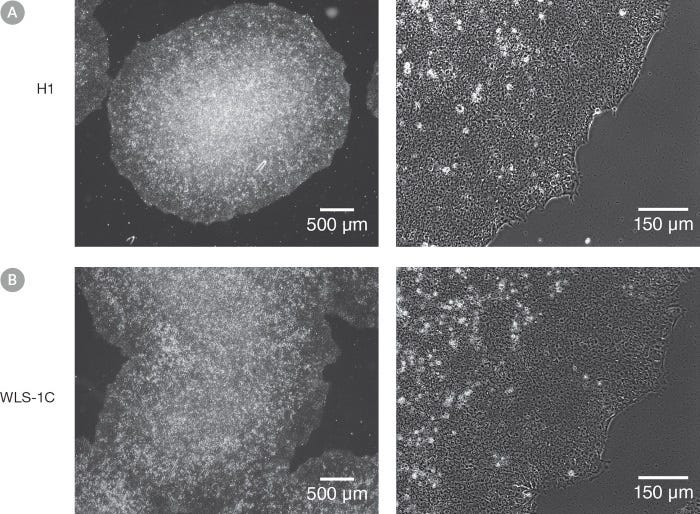
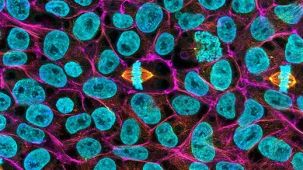
Figure 1. Normal hES and hiPS Cell Morphology is Observed in cGMP mTeSR™1 Cultures
Undifferentiated (A) H1 human embryonic stem (hES) and (B) WLS-1C human induced pluripotent stem (hiPS) cells cultured on Corning® Matrigel® Matrix in cGMP mTeSR™1 retain the prominent nucleoli and high nuclear-to-cytoplasmic ratio characteristic of this cell type after 10 passages. Densely packed cells and multi-layering are prominent when cells are ready to be passaged.
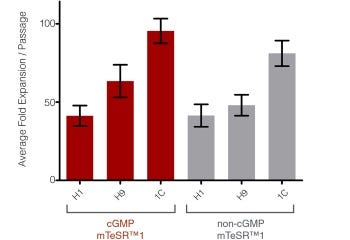
Figure 2. High Expansion Rates are Observed in cGMP mTeSR™1 Cultures
Graph shows the average fold expansion per passage +/- SEM obtained for hES (H1 and H9) and hiPS (WLS-1C) cells cultured in cGMP mTeSR™1 (red) or non-cGMP mTeSR™1 (gray) on Corning® Matrigel® Matrix over 10 passages. Expansion was determined by enumerating the cell aggregates obtained at harvest and dividing by the number of cell aggregates seeded. Note that this data is representative of cultures passaged after 6-7 days in culture, lower expansion should be expected if using shorter culture times.
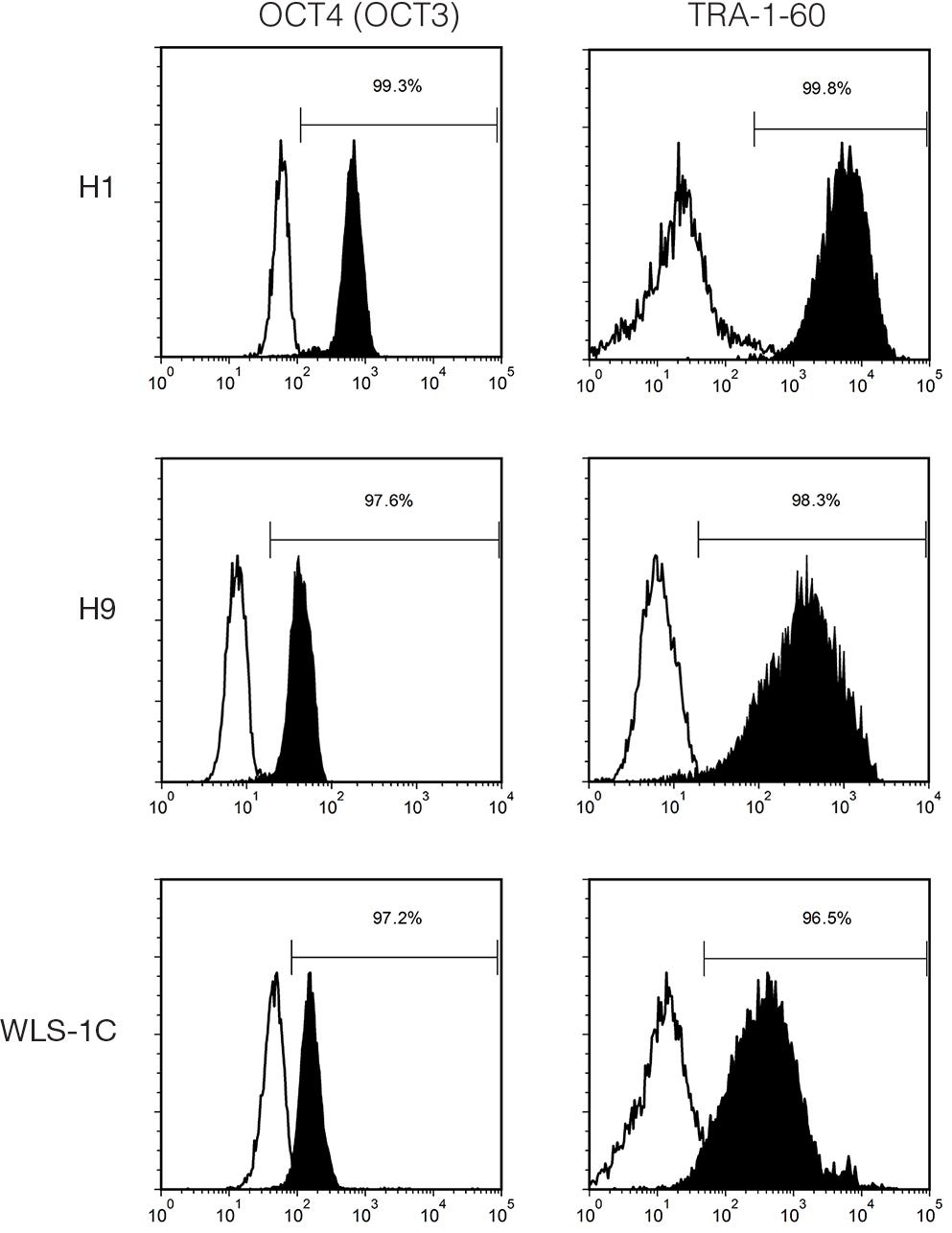
Figure 3. Cells Cultured in cGMP mTeSR™1 Medium Express Undifferentiated Cell Markers
Histogram analysis for hES (H1 and H9) and hiPS (WLS-1C) cells characterized using FACS for undifferentiated cell markers, OCT4 (OCT3) (Catalog #60093) and TRA-1-60 (Catalog #60064), after 8 - 10 passages in cGMP mTeSR™1 (filled = sample, blank = isotype control).
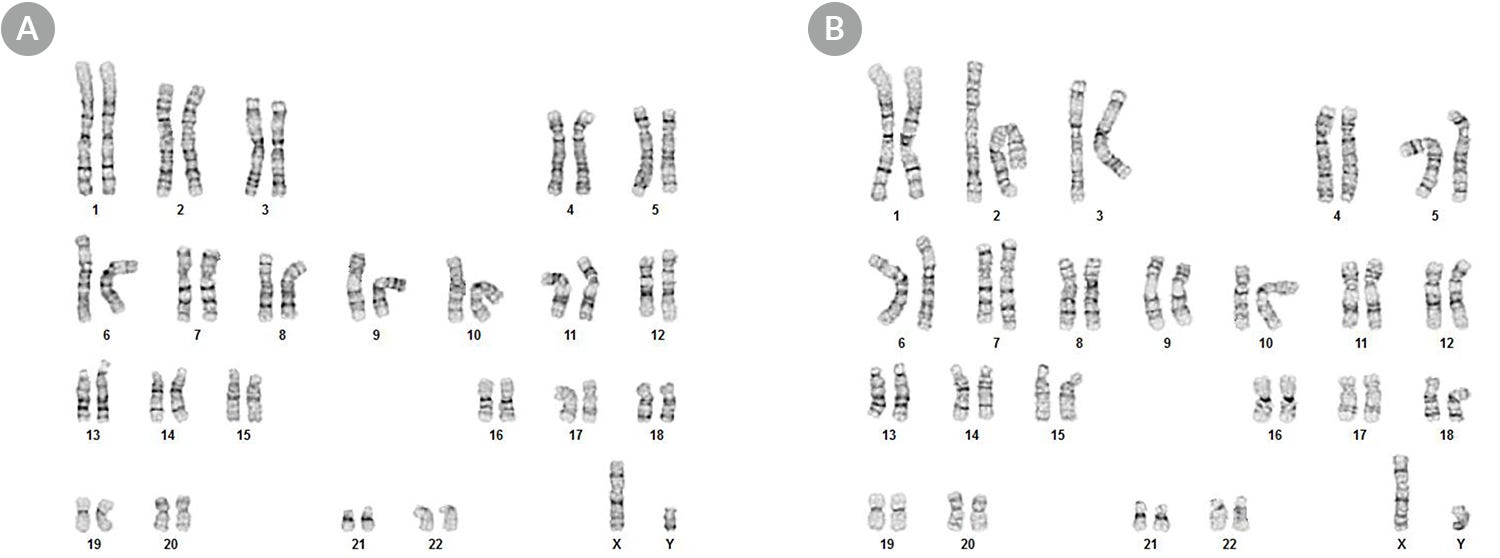
Figure 4. hPSCs Maintained in cGMP mTeSR™1 Display a Normal Karyotype
Karyograms of (A) H1 hES and (B) WLS-1C hiPS cells cultured in cGMP mTeSR™1 for 11 passages shows that a normal karyotype is retained.
Modular RNA interactions shape FXR1 condensates involved in mRNA localization and translation
J. Yang et al.
Nature Communications 2025 Sep
Abstract
Biomolecular condensates are found throughout a diversity of eukaryotic cell types and cellular compartments, playing roles in various cellular functions. A given protein generally forms functionally and compositionally heterogeneous condensates, but the underlying regulatory mechanisms are unknown. Here, we found that different RNA motifs modulate the formation of heterogeneous mRNA-protein condensates via riboregulation. Fragile X-related 1 (FXR1), an RNA-binding protein interacting with nuclear pores, assembles distinct localized subcellular mRNP condensates linked to cytosolic accumulation of G-quadruplex-containing pluripotent mRNAs and the localized translation of nucleoporin mRNAs at nuclear pores. The diverse locations of FXR1 condensates depend on the unique RNA-protein interaction modules of its two RNA binding domains, and the opposing effects of different RNA motifs on the affinity of FXR1 for nuclear pores. Notably, reduced FXR1 levels and impaired nuclear pore function lead to the nuclear accumulation of transcribed RNAs, facilitating fate transition in human embryonic stem cells. Preventing this decline would result in impaired hESC differentiation. Subject terms: RNA metabolism, Embryonic stem cells, RNA, RNA transport
Metal-organic polyhedra maintain the self-renewal of embryonic stem cells
R. Wang et al.
Nature Communications 2025 Sep
Abstract
Embryonic stem cells (ESC) are pluripotent, with the potential to differentiate into multiple cell types, making them a valuable tool for regenerative medicine and disease therapy. However, common culture methods face challenges, including strict operating procedures and high costs. Currently, Leukemia inhibitory factor (LIF), an indispensable bioactive protein for ESC culture, is typically applied to maintain self-renewal and pluripotency, but its instability and high cost limit its effectiveness in stable culture conditions. Hence, we have developed an innovative strategy using a soluble nanomaterial, metal-organic polyhedra (MOPs), to effectively maintain the self-renewal and pluripotency of ESC. The selected amino-modified vanadium-based MOP not only exhibits excellent biocompatibility and high stability but also possesses similar or even superior biological functions compared to commercial LIF. Due to the precise structure of MOPs, the active site responsible for maintaining ESC pluripotency has been identified and regulated at the molecular level. The new ESC culture method significantly reduces costs, simplifies preparation, and enhances the practicality of biopharmaceutical preparation and storage. This represents the first case of using MOPs to maintain self-renewal of ECS, opening an avenue for introducing advanced materials into the development of innovative ESC culture methods. Subject terms: Biomaterials - cells, Chemical biology
Polygenic risk score of Alzheimer's disease is associated with cognitive trajectories and phenotypes of cerebral organoids
M. Y. Chun et al.
Alzheimer's & Dementia 2025 Sep
Abstract
INTRODUCTIONPolygenic risk score (PRS) identifies individuals at high genetic risk for Alzheimer's disease (AD), but its utility in predicting cognitive trajectories and AD pathologies remains unclear. We optimized PRS (optPRS) for AD, investigated its association with cognitive trajectories and AD phenotypes of cerebral organoids.METHODSUsing genome‐wide association study (GWAS) summary statistics from a European population, we developed optPRS to predict AD in Korean individuals (n = 1634). We analyzed the association between optPRS and cognitive trajectories (n = 771). We generated induced pluripotent stem cell–derived cerebral organoids from patients with high (n = 3) and low (n = 4) optPRS to evaluate amyloid beta (Aβ) and phosphorylated tau (p‐tau) levels.RESULTSOptPRS predicted AD dementia and Aβ positivity, independent of apolipoprotein E (APOE). Higher optPRSs correlated with rapid cognitive decline. Cerebral organoids from the high optPRS group exhibited increased Aβ insolubility and p‐tau levels.CONCLUSIONOptPRS predicted cognitive decline and AD phenotypes of cerebral organoids, supporting its use in risk assessments and drug‐screening platform.Highlights
Optimized polygenic risk scores (optPRSs) improve the prediction of Alzheimer's disease (AD) dementia and amyloid beta positivity (Aβ+).High optPRS is associated with faster cognitive decline, particularly in Aβ+.Induced pluripotent stem cell (iPSC)–derived cerebral organoids from high optPRSs show high Aβ insolubility and phosphorylated tau (p‐tau).PRS genetic risk stratification provides insight into AD progression and pathology.
Thank you for your interest in IntestiCult™ Organoid Growth Medium (Human). Please provide us with your contact information and your local representative will contact you with a customized quote. Where appropriate, they
can also assist you with a(n):
Estimated delivery time for your area
Product sample or exclusive offer
In-lab demonstration
By submitting this form, you are providing your consent to STEMCELL Technologies Canada Inc. and its subsidiaries and affiliates (“STEMCELL”) to collect and use your information, and send you newsletters and emails in accordance with our
privacy policy. Please contact us with any questions that you may have. You can unsubscribe or change your email preferences at any time.
本产品系基于WiCell™研究院(WiCell™ Research Institute)知识产权授权许可开发。本产品的出售目的仅限于基于不可转让、用途受限之许可下的研究用途(无论购买者为学术机构或营利性主体)。购买本产品并不被授予为商业用途(即,以获利为目的的任何行为,如将本产品用于制造用途、或转售本产品或使用本产品所制成的任何材料、或将本产品或使用本产品所制成的材料用于提供服务)或临床应用(即,将本产品或本产品所用材料应用于人体)而出售、使用或另行转让本产品的权利,或出于基础临床前研究应用(包括但不限于畸胎瘤试验)以外的目的,由营利性主体或与其合作,将使用本产品制造的任何材料植入动物体内的权利。
购买者若不同意前述条款和条件,应保持产品完好,将其退还出售方以获退款。