Scalzo-Inguanti K et al. (MAY 2017)
Journal of leukocyte biology
A neutralizing anti-G-CSFR antibody blocks G-CSF-induced neutrophilia without inducing neutropenia in nonhuman primates.
Neutrophils are the most abundant WBCs and have an essential role in the clearance of pathogens. Tight regulation of neutrophil numbers and their recruitment to sites of inflammation is critical in maintaining a balanced immune response. In various inflammatory conditions,such as rheumatoid arthritis,vasculitis,cystic fibrosis,and inflammatory bowel disease,increased serum G-CSF correlates with neutrophilia and enhanced neutrophil infiltration into inflamed tissues. We describe a fully human therapeutic anti-G-CSFR antibody (CSL324) that is safe and well tolerated when administered via i.v. infusion to cynomolgus macaques. CSL324 was effective in controlling G-CSF-mediated neutrophilia when administered either before or after G-CSF. A single ascending-dose study showed CSL324 did not alter steady-state neutrophil numbers,even at doses sufficient to completely prevent G-CSF-mediated neutrophilia. Weekly infusions of CSL324 (%10 mg/kg) for 3 wk completely neutralized G-CSF-mediated pSTAT3 phosphorylation without neutropenia. Moreover,repeat dosing up to 100 mg/kg for 12 wk did not result in neutropenia at any point,including the 12-wk follow-up after the last infusion. In addition,CSL324 had no observable effect on basic neutrophil functions,such as phagocytosis and oxidative burst. These data suggest that targeting G-CSFR may provide a safe and effective means of controlling G-CSF-mediated neutrophilia as observed in various inflammatory diseases.
View Publication
Palmitoylation of δ-catenin by DHHC5 mediates activity-induced synapse plasticity
Synaptic cadherin adhesion complexes are known to be key regulators of synapse plasticity. However,the molecular mechanisms that coordinate activity-induced modifications in cadherin localization and adhesion and the subsequent changes in synapse morphology and efficacy remain unknown. We demonstrate that the intracellular cadherin binding protein δ-catenin is transiently palmitoylated by DHHC5 after enhanced synaptic activity and that palmitoylation increases δ-catenin-cadherin interactions at synapses. Both the palmitoylation of δ-catenin and its binding to cadherin are required for activity-induced stabilization of N-cadherin at synapses and the enlargement of postsynaptic spines,as well as the insertion of GluA1 and GluA2 subunits into the synaptic membrane and the concomitant increase in miniature excitatory postsynaptic current amplitude. Notably,context-dependent fear conditioning in mice resulted in increased δ-catenin palmitoylation,as well as increased δ-catenin-cadherin associations at hippocampal synapses. Together these findings suggest a role for palmitoylated δ-catenin in coordinating activity-dependent changes in synaptic adhesion molecules,synapse structure and receptor localization that are involved in memory formation.
View Publication
产品类型:
产品号#:
05711
100-1281
产品名:
NeuroCult™ SM1 神经添加物
NeuroCult™ SM1 神经添加物
Gao C et al. (APR 2015)
Neurochemical Research 40 4 818--828
MCT4-Mediated Expression of EAAT1 is Involved in the Resistance to Hypoxia Injury in AstrocyteNeuron co-Cultures
Hypoxic stressors contribute to neuronal death in many brain diseases. Astrocyte processes surround most neurons and are therefore anatomically well-positioned to shield them from hypoxic injury. Excitatory amino acid transporters (EAATs),represent the sole mechanism of active reuptake of glutamate into the astrocytes and neurons and are essential to dampen neuronal excitation following glutamate release at synapses. Glutamate clearance impairment from any factors is bound to result in an increase in hypoxic neuronal injury. The brain energy metabolism under hypoxic conditions depends on monocarboxylate transporters (MCTs) that are expressed by neurons and glia. Previous co-immunoprecipitation experiments revealed that MCT4 directly modulate EAAT1 in astrocytes. The reduction in both surface proteins may act synergistically to induce neuronal hyperexcitability and excitotoxicity. Therefore we hypothesized that astrocytes would respond to hypoxic conditions by enhancing their expression of MCT4 and EAAT1,which,in turn,would enable them to better support neurons to survive lethal hypoxia injury. An oxygen deprivation (OD) protocol was used in primary cultures of neurons,astrocytes,and astrocytes-neurons derived from rat hippocampus,with or without MCT4-targeted short hairpin RNA (shRNA) transfection. Cell survival,expression of MCT4,EAAT1,glial fibrillary acidic protein and neuronal nuclear antigen were evaluated. OD resulted in significant cell death in neuronal cultures and up-regulation of MCT4,EAAT1 expression respectively in primary cell cultures,but no injury in neuron-astrocyte co-cultures and astrocyte cultures. However,neuronal cell death in co-cultures was increased exposure to shRNA-MCT4 prior to OD. These findings demonstrate that the MCT4-mediated expression of EAAT1 is involved in the resistance to hypoxia injury in astrocyte-neuron co-cultures.
View Publication
Alzheimer's disease (AD) is emerging as a synaptopathology driven by metaplasticity. Indeed,reminiscent of metaplasticity,oligomeric forms of the amyloid-beta$ peptide (oAbeta$) prevent induction of long-term potentiation (LTP) via the prior activation of GluN2B-containing NMDA receptors (NMDARs). However,the downstream Ca2+-dependent signaling molecules that mediate aberrant metaplasticity are unknown. In this study,we show that oAbeta$ promotes the activation of Ca2+/calmodulin-dependent kinase II (CaMKII) via GluN2B-containing NMDARs. Importantly,we find that CaMKII inhibition rescues both the LTP impairment and the dendritic spine loss mediated by oAbeta$. Mechanistically resembling metaplasticity,oAbeta$ prevents subsequent rounds of plasticity from inducing CaMKII T286 autophosphorylation,as well as the associated anchoring and accumulation of synaptic AMPA receptors (AMPARs). Finally,prolonged oAbeta$ treatment-induced CaMKII misactivation leads to dendritic spine loss via the destabilization of surface AMPARs. Thus,our study demonstrates that oAbeta$ engages synaptic metaplasticity via aberrant CaMKII activation.
View Publication
产品类型:
产品号#:
05711
05790
05792
05793
05794
05795
100-1281
产品名:
NeuroCult™ SM1 神经添加物
BrainPhys™神经元培养基
BrainPhys™神经元培养基和SM1试剂盒
BrainPhys™ 神经元培养基N2-A和SM1试剂盒
BrainPhys™原代神经元试剂盒
BrainPhys™ hPSC 神经元试剂盒
NeuroCult™ SM1 神经添加物
X. Du et al. (NOV 2018)
Proceedings of the National Academy of Sciences of the United States of America
CD226 regulates natural killer cell antitumor responses via phosphorylation-mediated inactivation of transcription factor FOXO1.
Natural killer (NK) cell recognition of tumor cells is mediated through activating receptors such as CD226,with suppression of effector functions often controlled by negative regulatory transcription factors such as FOXO1. Here we show that CD226 regulation of NK cell cytotoxicity is facilitated through inactivation of FOXO1. Gene-expression analysis of NK cells isolated from syngeneic tumors grown in wild-type or CD226-deficient mice revealed dysregulated expression of FOXO1-regulated genes in the absence of CD226. In vitro cytotoxicity and stimulation assays demonstrated that CD226 is required for optimal killing of tumor target cells,with engagement of its ligand CD155 resulting in phosphorylation of FOXO1. CD226 deficiency or anti-CD226 antibody blockade impaired cytotoxicity with concomitant compromised inactivation of FOXO1. Furthermore,inhibitors of FOXO1 phosphorylation abrogated CD226-mediated signaling and effector responses. These results define a pathway by which CD226 exerts control of NK cell responses against tumors.
View Publication
产品类型:
产品号#:
19855
19855RF
产品名:
EasySep™小鼠NK细胞分选试剂盒
RoboSep™ 小鼠NK细胞分选试剂盒
Y. Nasser et al. (mar 2019)
Scientific reports 9 1 3710
Activation of Peripheral Blood CD4+ T-Cells in IBS is not Associated with Gastrointestinal or Psychological Symptoms.
Immune activation may underlie the pathogenesis of irritable bowel syndrome (IBS),but the evidence is conflicting. We examined whether peripheral CD4+ T-cells from IBS patients demonstrated immune activation and changes in cytokine production. To gain mechanistic insight,we examined whether immune activation correlated with psychological stress and changing symptoms over time. IBS patients (n = 29) and healthy volunteers (HV; n = 29) completed symptom and psychological questionnaires. IBS patients had a significant increase in CD4+ T-cells expressing the gut homing marker integrin beta7 (p = 0.023) and lymphoid marker CD62L (p = 0.026) compared to HV. Furthermore,phytohaemagglutinin stimulated CD4+ T-cells from IBS-D patients demonstrated increased TNFalpha secretion when compared to HV (p = 0.044). Increased psychological scores in IBS did not correlate with TNFalpha production,while stress hormones inhibited cytokine secretion from CD4+ T-cells of HV in vitro. IBS symptoms,but not markers of immune activation,decreased over time. CD4+ T-cells from IBS-D patients exhibit immune activation,but this did not appear to correlate with psychological stress measurements or changing symptoms over time. This could suggest that immune activation is a surrogate of an initial trigger and/or ongoing parallel peripheral mechanisms.
View Publication
产品类型:
产品号#:
19052
19052RF
产品名:
EasySep™人CD4+ T细胞富集试剂盒
RoboSep™ 人CD4+ T细胞富集试剂盒含滤芯吸头
Cindric Vranesic A et al. (MAY 2016)
Human Molecular Genetics May 11 ddw140
Characterization of SKAP/kinastrin isoforms: the N-terminus defines tissue specificity and Pontin binding
Small Kinetochore-Associated Protein (SKAP)/Kinastrin is a multifunctional protein with proposed roles in mitosis,apoptosis and cell migration. Exact mechanisms underlying its activities in these cellular processes are not completely understood. SKAP is predicted to have different isoforms,however,previous studies did not differentiate between them. Since distinct molecular architectures of protein isoforms often influence their localization and functions,this study aimed to examine the expression profile and functional differences between SKAP isoforms in human and mouse. Analyses of various human tissues and cells of different origin by RT-PCR,and by Western blotting and immunocytochemistry applying newly generated anti-SKAP monoclonal antibodies revealed that human SKAP exists in two protein isoforms: ubiquitously expressed SKAP16 and testis/sperm-specific SKAP1. In mouse,SKAP1 expression is detectable in testis at 4 weeks postnatally,when the first wave of spermatogenesis in mice is complete and the elongated spermatids are present in the testes. Furthermore,we identified Pontin as a new SKAP1 interaction partner. SKAP1 and Pontin co-localized in the flagellar region of human sperm suggesting a functional relevance for SKAP1-Pontin interaction in sperm motility. Since most previous studies on SKAP were performed with the testis-specific isoform SKAP1,our findings provide a new basis for future studies on the role of SKAP in both human somatic cells and male germ cells,including studies on male fertility.
View Publication
产品类型:
产品号#:
03800
03801
03802
03803
03804
03805
03806
产品名:
ClonaCell™-HY杂交瘤试剂盒
ClonaCell™-HY培养基A
ClonaCell™-HY 培养基 B
ClonaCell™-HY 培养基 C
ClonaCell™-HY 培养基 D
ClonaCell™-HY 培养基 E
ClonaCell™-HY PEG
Chalmers SA et al. (MAY 2016)
Scientific Reports 6 26164
Therapeutic Blockade of Immune Complex-Mediated Glomerulonephritis by Highly Selective Inhibition of Bruton's Tyrosine Kinase.
Lupus nephritis (LN) is a potentially dangerous end organ pathology that affects upwards of 60% of lupus patients. Bruton's tyrosine kinase (BTK) is important for B cell development,Fc receptor signaling,and macrophage polarization. In this study,we investigated the effects of a novel,highly selective and potent BTK inhibitor,BI-BTK-1,in an inducible model of LN in which mice receive nephrotoxic serum (NTS) containing anti-glomerular antibodies. Mice were treated once daily with vehicle alone or BI-BTK-1,either prophylactically or therapeutically. When compared with control treated mice,NTS-challenged mice treated prophylactically with BI-BTK-1 exhibited significantly attenuated kidney disease,which was dose dependent. BI-BTK-1 treatment resulted in decreased infiltrating IBA-1+ cells,as well as C3 deposition within the kidney. RT-PCR on whole kidney RNA and serum profiling indicated that BTK inhibition significantly decreased levels of LN-relevant inflammatory cytokines and chemokines. Renal RNA expression profiling by RNA-seq revealed that BI-BTK-1 dramatically modulated pathways related to inflammation and glomerular injury. Importantly,when administered therapeutically,BI-BTK-1 reversed established proteinuria and improved renal histopathology. Our results highlight the important role for BTK in the pathogenesis of immune complex-mediated nephritis,and BTK inhibition as a promising therapeutic target for LN.
View Publication
产品类型:
产品号#:
19359
19359RF
19054
19054RF
100-0697
产品名:
EasySep™人单核细胞分选试剂盒
RoboSep™ 人单核细胞分选试剂盒
EasySep™人B细胞富集试剂盒
RoboSep™ 人B细胞富集试剂盒含滤芯吸头
EasySep™人单核细胞分选试剂盒
Varga E et al. (OCT 2016)
Stem cell research 17 3 531--533
Establishment of EHMT1 mutant induced pluripotent stem cell (iPSC) line from a 11-year-old Kleefstra syndrome (KS) patient with autism and normal intellectual performance.
Peripheral blood was collected from a clinically characterized female Kleefstra syndrome patient with a heterozygous,de novo,premature termination codon (PTC) mutation (NM024757.4(EHMT1):c.3413GtextgreaterA; p.Trp1138Ter). Peripheral blood mononuclear cells (PBMCs) were reprogrammed with the human OSKM transcription factors using the Sendai-virus (SeV) delivery system. The pluripotency of transgene-free iPSC line was verified by the expression of pluripotency-associated markers and by in vitro spontaneous differentiation towards the 3 germ layers. Furthermore,the iPSC line showed normal karyotype. Our model might offer a good platform to study the pathomechanism of Kleefstra syndrome,also for drug testing,early biomarker discovery and gene therapy studies.
View Publication
产品类型:
产品号#:
05850
05857
05870
05875
85850
85857
85870
85875
产品名:
mTeSR™1
mTeSR™1
Y. Lei et al. (Sep 2025)
Journal of Neuroinflammation 22 1
LncBADR promotes T cell-mediated autoimmunity by binding Mccc1 and Pcca to regulate BCAAs degradation
T cell dysfunction is a pivotal driving factor in autoimmune diseases,yet its underlying regulatory mechanisms remain incompletely understood. The role of long non-coding RNAs (lncRNAs) in immune regulation has gradually been recognized,although their functional mechanisms in T cells remain elusive. This study focuses on lncBADR (LncRNA Branched-chain Amino acids Degradation Regulator),elucidating its mechanism by which it regulates branched-chain amino acids (BCAAs) metabolism to influence T cell effector functions. Mice with specific knockout of lncBADR (T celllncBADR−/−) exhibited markedly ameliorated experimental autoimmune encephalomyelitis (EAE) symptoms. Mechanistic investigations revealed that lncBADR inhibits BCAAs degradation by binding to the enzymes Mccc1 and Pcca,leading to the accumulation of BCAAs within T-cells. This,in turn,activates the mTOR-Stat1 signaling pathway,promoting IFN-γ secretion and exacerbating EAE pathology. In contrast,knockout of lncBADR restored BCAAs degradation,significantly reducing IFN-γ secretion in T cells and suppressing their pathogenic functions. Further studies demonstrated that high-BCAAs feeding partially reversed the protective effects of lncBADR knockout,indicating that lncBADR plays a crucial role in autoimmune inflammation by regulating BCAAs metabolism. This study offers new insights into targeting lncBADR or modulating BCAAs metabolism as potential therapeutic strategies for autoimmune diseases.
View Publication
产品类型:
产品号#:
100-0659
产品名:
EasySep™ 小鼠F4/80正选试剂盒
S. Feng et al. (Feb 2024)
Experimental Hematology & Oncology 13
Low-dose hypomethylating agents cooperate with ferroptosis inducers to enhance ferroptosis by regulating the DNA methylation-mediated MAGEA6-AMPK-SLC7A11-GPX4 signaling pathway in acute myeloid leukemia
Ferroptosis is a new form of nonapoptotic and iron-dependent type of cell death. Glutathione peroxidase-4 (GPX4) plays an essential role in anti-ferroptosis by reducing lipid peroxidation. Although acute myeloid leukemia (AML) cells,especially relapsed and refractory (R/R)-AML,present high GPX4 levels and enzyme activities,pharmacological inhibition of GPX4 alone has limited application in AML. Thus,whether inhibition of GPX4 combined with other therapeutic reagents has effective application in AML is largely unknown. Lipid reactive oxygen species (ROS),malondialdehyde (MDA),and glutathione (GSH) assays were used to assess ferroptosis in AML cells treated with the hypomethylating agent (HMA) decitabine (DAC),ferroptosis-inducer (FIN) RAS-selective lethal 3 (RSL3),or their combination. Combination index (CI) analysis was used to assess the synergistic activity of DAC + RSL3 against AML cells. Finally,we evaluated the synergistic activity of DAC + RSL3 in murine AML and a human R/R-AML-xenografted NSG model in vivo. We first assessed GPX4 expression and found that GPX4 levels were higher in AML cells,especially those with MLL rearrangements,than in NCs. Knockdown of GPX4 by shRNA and indirect inhibition of GPX4 enzyme activity by RSL3 robustly induced ferroptosis in AML cells. To reduce the dose of RSL3 and avoid side effects,low doses of DAC (0.5 µM) and RSL3 (0.05 µM) synergistically facilitate ferroptosis by inhibiting the AMP-activated protein kinase (AMPK)-SLC7A11-GPX4 axis. Knockdown of AMPK by shRNA enhanced ferroptosis,and overexpression of SLC7A11 and GPX4 rescued DAC + RSL3-induced anti-leukemogenesis. Mechanistically,DAC increased the expression of MAGEA6 by reducing MAGEA6 promoter hypermethylation. Overexpression of MAGEA6 induced the degradation of AMPK,suggesting that DAC inhibits the AMPK-SLC7A11-GPX4 axis by increasing MAGEA6 expression. In addition,DAC + RSL3 synergistically reduced leukemic burden and extended overall survival compared with either DAC or RSL3 treatment in the MLL-AF9-transformed murine model. Finally,DAC + RSL3 synergistically reduced viability in untreated and R/R-AML cells and extended overall survival in two R/R-AML-xenografted NSG mouse models. Our study first identify vulnerability to ferroptosis by regulating MAGEA6-AMPK-SLC7A11-GPX4 signaling pathway. Combined treatment with HMAs and FINs provides a potential therapeutic choice for AML patients,especially for R/R-AML. The online version contains supplementary material available at 10.1186/s40164-024-00489-4.
View Publication


 EasySep™小鼠TIL(CD45)正选试剂盒





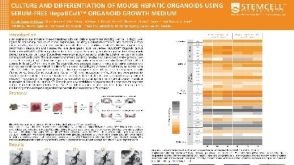 科学海报Culture and Differentiation of Mouse Hepatic Organoids Using Serum-free HepatiCult™ Organoid Growth Medium
 沪公网安备31010102008431号