Lebson L et al. (DEC 2010)
Journal of immunology (Baltimore,Md. : 1950) 185 12 7161--4
Cutting edge: The transcription factor Kruppel-like factor 4 regulates the differentiation of Th17 cells independently of RORγt.
Th17 cells play a significant role in inflammatory and autoimmune responses. Although a number of molecular pathways that contribute to the lineage differentiation of T cells have been discovered,the mechanisms by which lineage commitment occurs are not fully understood. Transcription factors play a key role in driving T cells toward specific lineages. We have identified a role for the transcription factor Kruppel-like factor (KLF) 4 in the development of IL-17-producing CD4(+) T cells. KLF4 was required for the production of IL-17,and further,chromatin immunoprecipitation analysis demonstrated binding of KLF4 to the IL-17 promoter,indicating a direct effect on the regulation of IL-17. Further,KLF4-deficient T cells upregulated expression of retinoic acid-related orphan receptor γt similar to wild-type during the polarization process toward Th17,suggesting that these two transcription factors are regulated independently.
View Publication
产品类型:
产品号#:
19752
19752RF
产品名:
Mandal M et al. ( 2005)
British Journal of Cancer 92 10 1899--1905
The Akt inhibitor KP372-1 suppresses Akt activity and cell proliferation and induces apoptosis in thyroid cancer cells
The phosphatidylinositol 3' kinase (PI3K)/phosphatase and tensin homologue deleted on chromosome ten/Akt pathway,which is a critical regulator of cell proliferation and survival,is mutated or activated in a wide variety of cancers. Akt appears to be a key central node in this pathway and thus is an attractive target for targeted molecular therapy. We demonstrated that Akt is highly phosphorylated in thyroid cancer cell lines and human thyroid cancer specimens,and hypothesised that KP372-1,an Akt inhibitor,would block signalling through the PI3K pathway and inhibit cell proliferation while inducing apoptosis of thyroid cancer cells. KP372-1 blocked signalling downstream of Akt in thyroid tumour cells,leading to inhibition of cell proliferation and increased apoptosis. As thyroid cancer consistently expresses phosphorylated Akt and KP372-1 effectively blocks Akt signalling,further preclinical evaluation of this compound for treatment of thyroid cancer is warranted.
View Publication
产品类型:
产品号#:
73222
产品名:
Pearce DJ et al. ( )
Stem cells (Dayton,Ohio) 23 6 752--60
Characterization of cells with a high aldehyde dehydrogenase activity from cord blood and acute myeloid leukemia samples.
Aldehyde dehydrogenase (ALDH) is a cytosolic enzyme that is responsible for the oxidation of intracellular aldehydes. Elevated levels of ALDH have been demonstrated in murine and human progenitor cells compared with other hematopoietic cells,and this is thought to be important in chemoresistance. A method for the assessment of ALDH activity in viable cells recently has been developed and made commercially available in a kit format. In this study,we confirmed the use of the ALDH substrate kit to identify cord blood stem/progenitor cells. Via multicolor flow cytometry of cord blood ALDH+ cells,we have expanded on their phenotypic analysis. We then assessed the incidence,morphology,phenotype,and nonobese diabetic/ severe combined immunodeficiency engraftment ability of ALDH+ cells from acute myeloid leukemia (AML) samples. AML samples had no ALDH+ cells at all,an extremely rare nonmalignant stem/progenitor cell population,or a less rare,leukemic stem cell population. Hence,in addition to identifying nonmalignant stem cells within some AML samples,a high ALDH activity also identifies some patients' CD34+/ CD38- leukemic stem cells. The incidence of normal or leukemic stem cells with an extremely high ALDH activity may have important implications for resistance to chemotherapy. Identification and isolation of leukemic cells on the basis of ALDH activity provides a tool for their isolation and further analysis.
View Publication
产品类型:
产品号#:
01700
01705
01701
01702
产品名:
ALDEFLUOR™ 试剂盒
ALDEFLUOR™ DEAB试剂, 1.5 mM, 1 mL
ALDEFLUOR™检测缓冲液
Yu S et al. (FEB 2006)
The Journal of experimental medicine 203 2 349--58
B cell-deficient NOD.H-2h4 mice have CD4+CD25+ T regulatory cells that inhibit the development of spontaneous autoimmune thyroiditis.
Wild-type (WT) NOD.H-2h4 mice develop spontaneous autoimmune thyroiditis (SAT) when given 0.05% NaI in their drinking water,whereas B cell-deficient NOD.H-2h4 mice are SAT resistant. To test the hypothesis that resistance of B cell-deficient mice to SAT was due to the activity of regulatory CD4+CD25+ T (T reg) cells activated if autoantigen was initially presented on non-B cells,CD25+ T reg cells were transiently depleted in vivo using anti-CD25. B cell-deficient NOD.H-2h4 mice given three weekly injections of anti-CD25 developed SAT 8 wk after NaI water. Thyroid lesions were similar to those in WT mice except there were no B cells in thyroid infiltrates. WT and B cell-deficient mice had similar numbers of CD4+CD25+Foxp3+ cells. Mice with transgenic nitrophenyl-specific B cells unable to secrete immunoglobulin were also resistant to SAT,and transient depletion of T reg cells resulted in severe SAT with both T and B cells in thyroid infiltrates. T reg cells that inhibit SAT were eliminated by day 3 thymectomy,indicating they belong to the subset of naturally occurring T reg cells. However,T reg cell depletion did not increase SAT severity in WT mice,suggesting that T reg cells may be nonfunctional when effector T cells are activated; i.e.,by autoantigen-presenting B cells.
View Publication
产品类型:
产品号#:
19782
19792
产品名:
Walker TL et al. (APR 2007)
The Journal of neuroscience : the official journal of the Society for Neuroscience 27 14 3734--42
The doublecortin-expressing population in the developing and adult brain contains multipotential precursors in addition to neuronal-lineage cells.
Doublecortin (DCX) has recently been promulgated as a selective marker of cells committed to the neuronal lineage in both the developing and the adult brain. To explore the potential of DCX-positive (DCX+) cells more stringently,these cells were isolated by flow cytometry from the brains of transgenic mice expressing green fluorescent protein under the control of the DCX promoter in embryonic,early postnatal,and adult animals. It was found that virtually all of the cells (99.9%) expressing high levels of DCX (DCX(high)) in the embryonic brain coexpressed the neuronal marker betaIII-tubulin and that this population contained no stem-like cells as demonstrated by lack of neurosphere formation in vitro. However,the DCX+ population from the early postnatal brain and the adult subventricular zone and hippocampus,which expressed low levels of DCX (DCX(low)),was enriched for neurosphere-forming cells,with only a small subpopulation of these cells coexpressing the neuronal markers betaIII-tubulin or microtubule-associated protein 2. Similarly,the DCX(low) population from embryonic day 14 (E14) brain contained neurosphere-forming cells. Only the postnatal cerebellum and adult olfactory bulb contained some DCX(high) cells,which were shown to be similar to the E14 DCX(high) cells in that they had no stem cell activity. Electrophysiological studies confirmed the heterogeneous nature of DCX+ cells,with some cells displaying characteristics of immature or mature neurons,whereas others showed no neuronal characteristics whatsoever. These results indicate that DCX(high) cells,regardless of location,are restricted to the neuronal lineage or are bone fide neurons,whereas some DCX(low) cells retain their multipotentiality.
View Publication
产品类型:
产品号#:
05700
05701
05702
产品名:
NeuroCult™ 基础培养基(小鼠和大鼠)
NeuroCult™ 扩增添加物(小鼠和大鼠)
NeuroCult™扩增试剂盒(小鼠和大鼠)
Yang L et al. (MAY 2014)
Modern pathology : an official journal of the United States and Canadian Academy of Pathology,Inc 27 5 775--783
ALDH1A1 defines invasive cancer stem-like cells and predicts poor prognosis in patients with esophageal squamous cell carcinoma.
Invasion and metastasis are the major cause of deaths in patients with esophageal cancer. In this study,we isolated cancer stem-like cells from an esophageal squamous cell carcinoma cell line EC109 based on aldehyde dehydrogenase 1A1 (ALDH1A1),and found that ALDH1A1(high) cells possessed the capacities of self-renewal,differentiation and tumor initiation,indications of stem cell properties. To support their stemness,ALDH1A1(high) cells exhibited increased potential of invasion and metastasis as compared with ALDH1A1(low) cells. ALDH1A1(high) esophageal squamous cell carcinoma cells expressed increased levels of mRNA for vimentin,matrix metalloproteinase 2,7 and 9 (MMP2,MMP7 and MMP9),but decreased the level of E-cadherin mRNA,suggesting that epithelial-mesenchymal transition and secretary MMPs may be attributed to the high invasive and metastatic capabilities of ALDH1A1(high) cells. Furthermore,we examined esophageal squamous cell carcinoma specimens from 165 patients and found that ALDH1A1(high) cells were associated with esophageal squamous dysplasia and the grades,differentiation and invasion depth,lymph node metastasis and UICC stage of esophageal squamous cell carcinoma,as well as poor prognosis of patients. Our results provide the strong evidence that ALDH1A1(high) cancer stem-like cells contribute to the invasion,metastasis and poor outcome of human esophageal squamous cell carcinoma.
View Publication
产品类型:
产品号#:
01700
01705
01702
产品名:
ALDEFLUOR™ 试剂盒
ALDEFLUOR™ DEAB试剂, 1.5 mM, 1 mL
ALDEFLUOR™检测缓冲液
de Leeuw DC et al. (APR 2014)
Cancer research 74 7 2094--2105
Attenuation of microRNA-126 expression that drives CD34+38- stem/progenitor cells in acute myeloid leukemia leads to tumor eradication.
Despite high remission rates after therapy,60% to 70% of patients with acute myeloid leukemia (AML) do not survive 5 years after their initial diagnosis. The main cause of treatment failures may be insufficient eradication of a subpopulation of leukemic stem-like cells (LSC),which are thought to be responsible for relapse by giving rise to more differentiated leukemic progenitors (LP). To address the need for therapeutic targets in LSCs,we compared microRNA (miRNA) expression patterns in highly enriched healthy CD34(+)CD38(-) hematopoietic stem cells (HSC),CD34(+)CD38(-) LSCs,and CD34(+)CD38(+) LPs,all derived from the same patients' bone marrow (BM) specimens. In this manner,we identified multiple differentially expressed miRNAs,in particular miR-126,which was highly expressed in HSCs and increased in LSCs compared with LPs,consistent with a stem-like cell function. High miR-126 expression in AML was associated with poor survival,higher chance of relapse,and expression of genes present in LSC/HSC signatures. Notably,attenuating miR-126 expression in AML cells reduced in vitro cell growth by inducing apoptosis,but did not affect the survival of normal BM in which it instead enhanced expansion of HSCs. Furthermore,targeting miR-126 in LSCs and LPs reduced their clonogenic capacity and eliminated leukemic cells,again in the absence of similar inhibitory effects on normal BM cells. Our results define miR-126 as a therapeutic focus to specifically eradicate LSCs and improve AML outcome.
View Publication
产品类型:
产品号#:
01700
01705
01702
产品名:
ALDEFLUOR™ 试剂盒
ALDEFLUOR™ DEAB试剂, 1.5 mM, 1 mL
ALDEFLUOR™检测缓冲液
Silva IA et al. (JUN 2011)
Cancer research 71 11 3991--4001
Aldehyde dehydrogenase in combination with CD133 defines angiogenic ovarian cancer stem cells that portend poor patient survival.
Markers that reliably identify cancer stem cells (CSC) in ovarian cancer could assist prognosis and improve strategies for therapy. CD133 is a reported marker of ovarian CSC. Aldehyde dehydrogenase (ALDH) activity is a reported CSC marker in several solid tumors,but it has not been studied in ovarian CSC. Here we report that dual positivity of CD133 and ALDH defines a compelling marker set in ovarian CSC. All human ovarian tumors and cell lines displayed ALDH activity. ALDH(+) cells isolated from ovarian cancer cell lines were chemoresistant and preferentially grew tumors,compared with ALDH(-) cells,validating ALDH as a marker of ovarian CSC in cell lines. Notably,as few as 1,000 ALDH(+) cells isolated directly from CD133(-) human ovarian tumors were sufficient to generate tumors in immunocompromised mice,whereas 50,000 ALDH(-) cells were unable to initiate tumors. Using ALDH in combination with CD133 to analyze ovarian cancer cell lines,we observed even greater growth in the ALDH(+)CD133(+) cells compared with ALDH(+)CD133(-) cells,suggesting a further enrichment of ovarian CSC in ALDH(+)CD133(+) cells. Strikingly,as few as 11 ALDH(+)CD133(+) cells isolated directly from human tumors were sufficient to initiate tumors in mice. Like other CSC,ovarian CSC exhibited increased angiogenic capacity compared with bulk tumor cells. Finally,the presence of ALDH(+)CD133(+) cells in debulked primary tumor specimens correlated with reduced disease-free and overall survival in ovarian cancer patients. Taken together,our findings define ALDH and CD133 as a functionally significant set of markers to identify ovarian CSCs.
View Publication
Q.-K. Lu et al. (feb 2022)
Acta pharmacologica Sinica 43 2 376--386
Inhibition of PDE4 by apremilast attenuates skin fibrosis through directly suppressing activation of M1 and T cells.
Systemic sclerosis (SSc) is a life-threatening chronic connective tissue disease with the characteristics of skin fibrosis,vascular injury,and inflammatory infiltrations. Though inhibition of phosphodiesterase 4 (PDE4) has been turned out to be an effective strategy in suppressing inflammation through promoting the accumulation of intracellular cyclic adenosine monophosphate (cAMP),little is known about the functional modes of inhibiting PDE4 by apremilast on the process of SSc. The present research aimed to investigate the therapeutic effects and underlying mechanism of apremilast on SSc. Herein,we found that apremilast could markedly ameliorate the pathological manifestations of SSc,including skin dermal thickness,deposition of collagens,and increased expression of $\alpha$-SMA. Further study demonstrated that apremilast suppressed the recruitment and activation of macrophages and T cells,along with the secretion of inflammatory cytokines,which accounted for the effects of apremilast on modulating the pro-fibrotic processes. Interestingly,apremilast could dose-dependently inhibit the activation of M1 and T cells in vitro through promoting the phosphorylation of CREB. In summary,our research suggested that inhibiting PDE4 by apremilast might provide a novel therapeutic option for clinical treatment of SSc patients.
View Publication
产品类型:
产品号#:
19852
19852RF
产品名:
EasySep™小鼠CD4+ T细胞分选试剂盒
RoboSep™ 小鼠CD4+ T细胞分选试剂盒
P.-H. Chang et al. ( 2022)
Therapeutic advances in medical oncology 14 1.76E+16
Association of early changes of circulating cancer stem-like cells with survival among patients with metastatic breast cancer.
BACKGROUND This study aimed to investigate the role of circulating tumor cells (CTCs) and circulating cancer stem-like cells (cCSCs) before and after one cycle of chemotherapy and assessed the effects of early changes in CTCs and cCSCs on the outcomes of patients with metastatic breast cancer. METHODS Patients with stage IV invasive ductal carcinoma of the breast who received first-line chemotherapy between April 2014 and January 2016 were enrolled. CTCs and cCSCs were measured before the first cycle of chemotherapy (baseline) and on day 21,before the second cycle of chemotherapy commenced; a negative selection strategy and flow cytometry protocol were employed. RESULTS CTC and cCSC counts declined in 68.8 and 45.5% of patients,respectively. Declines in CTCs and cCSCs following the first chemotherapy cycle were associated with superior chemotherapy responses,longer progression-free survival (PFS),and longer overall survival (OS). An early decline in cCSCs remained an independent prognostic indicator for OS and PFS in multivariate analysis. CONCLUSIONS A cCSC decline after one cycle of chemotherapy for metastatic breast cancer is predictive of a superior chemotherapy response and longer PFS and OS,implying that cCSC dynamic monitoring may be helpful in early prediction of treatment response and prognosis.
View Publication
产品类型:
产品号#:
17898
17898RF
产品名:
EasySep™人CD45去除试剂盒II
RoboSep™ 人CD45去除试剂盒II
(Jun 2024)
Frontiers in Bioengineering and Biotechnology 12 6
Use of CRISPRoff and synthetic Notch to modulate and relay endogenous gene expression programs in engineered cells
Uncovering the stimulus-response histories that give rise to cell fates and behaviors is an area of great interest in developmental biology,tissue engineering,and regenerative medicine. A comprehensive accounting of cell experiences that lead to the development of organs and tissues can help us to understand developmental anomalies that may underly disease. Perhaps more provocatively,such a record can also reveal clues as to how to drive cell collective decision-making processes,which may yield predictable cell-based therapies or facilitate production of tissue substitutes for transplantation or in vitro screening of prospective therapies to mitigate disease. Toward this end,various methods have been applied to molecularly trace developmental trajectories and record interaction histories of cells. Typical methods involve artificial gene circuits based on recombinases that activate a suite of fluorescent reporters or CRISPR-Cas9 genome writing technologies whose nucleic acid-based record keeping serves to chronicle cell-cell interactions or past exposure to stimuli of interests. Exciting expansions of the synthetic biology toolkit with artificial receptors that permit establishment of defined input-to-output linkages of cell decision-making processes opens the door to not only record cell-cell interactions,but to also potentiate directed manipulation of the outcomes of such interactions via regulation of carefully selected transgenes. Here,we combine CRISPR-based strategies to genetically and epigenetically manipulate cells to express components of the synthetic Notch receptor platform,a widely used artificial cell signaling module. Our approach gives rise to the ability to conditionally record interactions between human cells,where the record of engagement depends on expression of a state-specific marker of a subset of cells in a population. Further,such signal-competent interactions can be used to direct differentiation of human embryonic stem cells toward pre-selected fates based on assigned synNotch outputs. We also implemented CRISPR-based manipulation of native gene expression profiles to bias outcomes of cell engagement histories in a targeted manner. Thus,we present a useful strategy that gives rise to both state-specific recording of cell-cell interactions as well as methods to intentionally influence products of such cell-cell exchanges.
View Publication


 EasySep™小鼠TIL(CD45)正选试剂盒





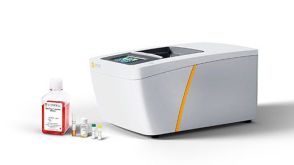 新闻Harnessing Combined Expertise: STEMCELL Technologies and Axion BioSystems Partner to Streamline Culture and Analysis of Excitable Cells
 沪公网安备31010102008431号