J. E. Krull et al. (Feb 2024)
Cell Reports Medicine 5 3
Follicular lymphoma B cells exhibit heterogeneous transcriptional states with associated somatic alterations and tumor microenvironments
SummaryFollicular lymphoma (FL) is an indolent non-Hodgkin lymphoma of germinal center origin,which presents with significant biologic and clinical heterogeneity. Using RNA-seq on B cells sorted from 87 FL biopsies,combined with machine-learning approaches,we identify 3 transcriptional states that divide the biological ontology of FL B cells into inflamed,proliferative,and chromatin-modifying states,with relationship to prior GC B cell phenotypes. When integrated with whole-exome sequencing and immune profiling,we find that each state was associated with a combination of mutations in chromatin modifiers,copy-number alterations to TNFAIP3,and T follicular helper cells (Tfh) cell interactions,or primarily by a microenvironment rich in activated T cells. Altogether,these data define FL B cell transcriptional states across a large cohort of patients,contribute to our understanding of FL heterogeneity at the tumor cell level,and provide a foundation for guiding therapeutic intervention. Graphical abstract Highlights•B cells from follicular lymphoma exhibit 3 distinct transcriptional states•FL B cells differ by enhanced inflammation,proliferation,or chromatin remodeling•Tumor cell states correlate with unique immune-microenvironment features•Unique mutation and CNV profiles highlight potential genetic causes of heterogeneity Krull et al. analyzed bulk transcriptional,genomic,and immune profiles of B cells from follicular lymphoma and reveal 3 distinct transcriptional states. These cell states underscore the inherent variability of FL tumors,independent of stroma,and implicate intrinsic differences as an underpinning to FL heterogeneity.
View Publication
产品类型:
产品号#:
17864
17963
17963RF
产品名:
EasySep™人记忆B细胞分选试剂盒
EasySep™人B细胞富集试剂盒II(不去除CD43)
RoboSep™ 人B细胞富集试剂盒II(不去除CD43)
(May 2024)
Nature Communications 15
Priming with LSD1 inhibitors promotes the persistence and antitumor effect of adoptively transferred T cells
The antitumor efficacy of adoptively transferred T cells is limited by their poor persistence,in part due to exhaustion,but the underlying mechanisms and potential interventions remain underexplored. Here,we show that targeting histone demethylase LSD1 by chemical inhibitors reshapes the epigenome of in vitro activated and expanded CD8+ T cells,and potentiates their antitumor efficacy. Upon T cell receptor activation and IL-2 signaling,a timely and transient inhibition of LSD1 suffices to improve the memory phenotype of mouse CD8+ T cells,associated with a better ability to produce multiple cytokines,resist exhaustion,and persist in both antigen-dependent and -independent manners after adoptive transfer. Consequently,OT1 cells primed with LSD1 inhibitors demonstrate an enhanced antitumor effect in OVA-expressing solid tumor models implanted in female mice,both as a standalone treatment and in combination with PD-1 blockade. Moreover,priming with LSD1 inhibitors promotes polyfunctionality of human CD8+ T cells,and increases the persistence and antitumor efficacy of human CD19-CAR T cells in both leukemia and solid tumor models. Thus,pharmacological inhibition of LSD1 could be exploited to improve adoptive T cell therapy. Phenotypic changes in exhausted T cells are linked to chromatin remodeling. Here the authors show that pharmacological inhibition of the H3K4me1/2 demethylase LSD1 promotes the persistence and enhances the therapeutic activity of adoptively transferred T cells for cancer therapy.
View Publication
产品类型:
产品号#:
19853
19853RF
产品名:
EasySep™小鼠CD8+ T细胞分选试剂盒
RoboSep™ 小鼠CD8+ T细胞分选试剂盒
(Jul 2025)
Stem Cell Research & Therapy 16
Apoptotic vesicles of mesenchymal stem cells promote M2 polarization and alleviate early-onset preeclampsia via miR-191-5p
BackgroundMacrophages play a crucial role in the development of early-onset preeclampsia (EOPE),which may be closely associated with an imbalance in macrophage M1/M2 polarization. Mesenchymal stem cell (MSC)-derived apoptotic vesicles (apoVs) have anti-inflammatory,tissue repair,and immunomodulatory functions. MSC-apoVs may ameliorate EOPE by regulating macrophage polarization,but the underlying mechanisms remain to be clarified.MethodsMacrophage infiltration and M1/M2 polarization were first analyzed in the placentas of PE patients and normal pregancies to identify macrophage alterations in EOPE placentas. MSC-apoVs were extracted and characterized. The effects of MSC-apoVs on macrophage polarization and trophoblasts invasion were validated in vivo and in vitro. miRNA transcriptomic sequencing of MSC-apoVs was conducted to identify key miRNAs involved in macrophage M2 polarization and to investigate upstream and downstream regulation factors,which were further validated in vivo and in vitro.ResultsThe proportion of M2 macrophages was significantly reduced in EOPE placentas. MSC-apoVs carrying high levels of miR-191-5p recruited macrophages,downregulated CDK6 protein expression,stabilized mitochondrial membrane potential (MMP),and promoted M2 polarization of macrophages. This enhanced the invasion of trophoblasts and improved EOPE pregnancy outcomes in mice,including reduced blood pressure,decreased urine protein,and improved embryo quality. Overexpression of miR-191-5p mimics in MSC-apoVs further alleviated EOPE-related symptoms,whereas inhibition of miR-191-5p reduced the therapeutic effect of MSC-apoVs. Further experiments confirmed that M2 macrophages polarized by MSC-apoVs promote trophoblasts invasion by secreting platelet-derived growth factor-AB (PDGF-AB),which binds to platelet-derived growth factor receptor-beta (PDGFR-β) on trophoblasts,directly activating the downstream PI3K-AKT-mTOR signaling pathway,thereby improving EOPE.ConclusionOur findings reveal the crucial role of M2 macrophages in the pathogenesis of EOPE. MSC-apoVs with high miR-191-5p recruit macrophages,downregulate CDK6,stabilize MMP,and promote M2 polarization,increasing PDGF-AB secretion,which enhances trophoblasts invasion and thereby treat EOPE. Therefore,MSC-apoVs therapy may serve as a promising strategy to improve the prognosis of EOPE.Supplementary InformationThe online version contains supplementary material available at 10.1186/s13287-025-04546-5.
View Publication
产品类型:
产品号#:
19359
100-0697
19359RF
产品名:
EasySep™人单核细胞分选试剂盒
EasySep™人单核细胞分选试剂盒
RoboSep™ 人单核细胞分选试剂盒
F. Olayinka-Adefemi et al. (Nov 2025)
PLOS Pathogens 21 11
PI3Kdelta-driven expansion of regulatory B cells impairs protective immune responses to Trypanosoma congolense parasite infection
Phosphatidylinositol 3-kinase delta (PI3KCD) is a critical signaling enzyme for B cell development,activation,function and immune regulation. Gain-of-function mutations in PI3KCD result in the congenital immunodeficiency known as Activated PI3KCD Syndrome (APDS). APDS patients are prone to repeated infections and other serious clinical manifestations. Here,we determine how B cell-intrinsic expression of the APDS-associated PI3KCDE1021K mutation impacts immune responses to the protozoan parasite Trypanosoma congolense. PI3KCDE1021K/B mice exhibit a significant expansion of IL10-expressing B cells within the spleen and peritoneal cavity,which was associated with impaired control of T. congolense infection. Despite the generation of robust germinal center,plasma cell and antibody responses,PI3KCDE1021K/B mice show elevation in the first wave of parasitemia and increased mortality. We further characterize the phenotype of the expanded IL10-producing B cell population in PI3KCDE1021K/B mice,which show hallmarks of innate-like regulatory B cells (Breg) and expression of multiple inhibitory molecules. This Breg expansion is associated with reduced IFNγ/IL10 ratio,reduced TNFα production and impaired activation of myeloid cells,likely compromising the innate response to infection. These findings highlight the profound impact of dysregulated PI3KCD activity on regulatory B cells that can functionally impair innate immune responses controlling a systemic parasite protozoan disease. Author summaryB cells and antibodies play a critical role in the immune response to Trypanosome parasites. Molecular signaling networks within B cells can control the type of response generated during infection. Here,we studied how a genetic variant in the signaling enzyme PI3KCD,previously linked to human immune deficiencies,impacts B cell responses to Trypanosome infection. We find that mice expressing the PI3KCDE1021K mutation in their B cells show impaired control of Trypanosome infection,and alterations in several aspects of the immune response. Specifically,we noted these mice poorly control parasite growth within the first week of infection,a timeframe where specific antibody responses have not yet been generated. We noted an altered balance between pro-inflammatory and anti-inflammatory cytokine mediators produced within the first week of infection. This was associated with high numbers of regulatory B cells expressing multiple molecules capable of inhibiting other cells of the immune system. We further found that these mice show functional alterations in other critical immune cell types,such as macrophages and T cells. These findings highlight the impact of dysregulated PI3KCD activity on regulatory B cells that can impair immune responses controlling a systemic parasite protozoan disease.
View Publication
产品类型:
产品号#:
19854
19854RF
产品名:
EasySep™小鼠B细胞分选试剂盒
RoboSep™ 小鼠B细胞分选试剂盒
S. Gu et al. (Mar 2026)
Cells 15 7
Derivation of Embryonic Stem Cells from an Endangered Cattle Breed via Somatic Cell Nuclear Transfer
Embryonic stem cells represent a valuable germplasm resource with significant implications for breed conservation,development,and utilization. However,the scarcity of genetic resources in endangered species poses a fundamental constraint on obtaining gametes for embryonic stem cell derivation. Therefore,generating embryonic stem cells from somatic cell nuclear transfer blastocysts offers an optimal alternative for conservation cloning. In this study,we established ApèiJiaza somatic cell nuclear transfer ESCs (APNT-ESCs) from cloned embryos,using ApèiJiaza cattle ear fibroblasts as nuclear donors. APNT-ESCs could be passaged for over 30 generations in vitro,exhibiting high expression of key pluripotency markers,genomic stability,and the ability to form embryoid bodies and differentiate into cell types of all three germ layers. This research established an effective biotechnological framework for the genetic conservation of other endangered species lacking accessible gametes.
View Publication
产品类型:
产品号#:
85850
85857
产品名:
mTeSR™1
mTeSR™1
M. B. K. Petersen et al. ( 2017)
Stem cell reports 9 4 1246--1261
Single-Cell Gene Expression Analysis of a Human ESC Model of Pancreatic Endocrine Development Reveals Different Paths to $\beta$-Cell Differentiation.
The production of insulin-producing $\beta$ cells from human embryonic stem cells (hESCs) in vitro represents a promising strategy for a cell-based therapy for type 1 diabetes mellitus. To explore the cellular heterogeneity and temporal progression of endocrine progenitors and their progeny,we performed single-cell qPCR on more than 500 cells across several stages of in vitro differentiation of hESCs and compared them with human islets. We reveal distinct subpopulations along the endocrine differentiation path and an early lineage bifurcation toward either polyhormonal cells or $\beta$-like cells. We uncover several similarities and differences with mouse development and reveal that cells can take multiple paths to the same differentiation state,a principle that could be relevant to other systems. Notably,activation of the key $\beta$-cell transcription factor NKX6.1 can be initiated before or after endocrine commitment. The single-cell temporal resolution we provide can be used to improve the production of functional $\beta$ cells.
View Publication
Lee SH et al. (OCT 2004)
Biochemical and biophysical research communications 323 1 125--32
Inhibition of lipopolysaccharide-induced expression of inducible nitric oxide synthase by butein in RAW 264.7 cells.
Butein has been reported to exert anti-inflammatory effect but the possible mechanism involved is still unclear. Here,we report the inhibitory effect of butein on nitric oxide (NO) production and inducible nitric oxide synthase (iNOS) gene expression. Butein also inhibited the induction of tumor necrosis factor-alpha and cyclooxygenase 2 by LPS. To further investigate the mechanism responsible for the inhibition of iNOS gene expression by butein,we examined the effect of butein on LPS-induced nuclear factor-kappaB (NF-kappaB) activation. The LPS-induced DNA binding activity of NF-kappaB was significantly inhibited by butein,and this effect was mediated through inhibition of the degradation of inhibitory factor-kappaB and phosphorylation of Erk1/2 MAP kinase. Furthermore,increased binding of the osteopontin alphavbeta3 integrin receptor by butein may explain its inhibitory effect on LPS-mediated NO production. Taken together,these results suggest that butein inhibits iNOS gene expression,providing possible mechanisms for its anti-inflammatory action.
View Publication
产品类型:
产品号#:
73462
73464
产品名:
Butein
Rutella S et al. (JUL 2006)
Blood 108 1 218--27
Hepatocyte growth factor favors monocyte differentiation into regulatory interleukin (IL)-10++IL-12low/neg accessory cells with dendritic-cell features.
Several hematopoietic growth factors,including interleukin-10 (IL-10) and transforming growth factor-beta1 (TGF-beta1),promote the differentiation of tolerogenic dendritic cells (DCs). Hepatocyte growth factor (HGF) is a pleiotropic cytokine whose effects on human DC differentiation and function have not been investigated. Monocytes cultured with HGF (HGFMo) differentiated into accessory cells with DC-like morphology,released low amounts of IL-12p70 and up-regulated IL-10 both at the mRNA and at the protein level. Upon activation with HGFMo,allogeneic CD4+CD25- T cells expressed the T regulatory (Treg)-associated transcription factor FoxP3,proliferated poorly,and released high levels of IL-10. Interestingly,blockade of surface immunoglobulin-like transcript 3 (ILT3) on HGFMo or neutralization of secreted IL-10 translated into partial restoration of T-cell proliferation. Secondary stimulation of HGFMo-primed CD4+ T cells with immunogenic DCs differentiated with granulocyte-macrophage colony-stimulating factor (GM-CSF) and IL-4 from monocytes of the same donor resulted in measurable T-cell proliferation. HGFMo-primed CD4+ T cells significantly inhibited the proliferation of naive CD4+CD25- T cells in a cell-contact-dependent manner. Finally,DNA microarray analysis revealed a unique gene-expression profile of HGF-activated monocytes. Collectively,our findings point to a novel role for HGF in the regulation of monocyte/DC functions that might be exploited therapeutically.
View Publication
产品类型:
产品号#:
09500
产品名:
BIT 9500血清替代物
Yan B et al. (MAY 2015)
BMC cancer 15 1 401
Mitochondrially targeted vitamin E succinate efficiently kills breast tumour-initiating cells in a complex II-dependent manner.
BACKGROUND Accumulating evidence suggests that breast cancer involves tumour-initiating cells (TICs),which play a role in initiation,metastasis,therapeutic resistance and relapse of the disease. Emerging drugs that target TICs are becoming a focus of contemporary research. Mitocans,a group of compounds that induce apoptosis of cancer cells by destabilising their mitochondria,are showing their potential in killing TICs. In this project,we investigated mitochondrially targeted vitamin E succinate (MitoVES),a recently developed mitocan,for its in vitro and in vivo efficacy against TICs. METHODS The mammosphere model of breast TICs was established by culturing murine NeuTL and human MCF7 cells as spheres. This model was verified by stem cell marker expression,tumour initiation capacity and chemotherapeutic resistance. Cell susceptibility to MitoVES was assessed and the cell death pathway investigated. In vivo efficacy was studied by grafting NeuTL TICs to form syngeneic tumours. RESULTS Mammospheres derived from NeuTL and MCF7 breast cancer cells were enriched in the level of stemness,and the sphere cells featured altered mitochondrial function. Sphere cultures were resistant to several established anti-cancer agents while they were susceptible to MitoVES. Killing of mammospheres was suppressed when the mitochondrial complex II,the molecular target of MitoVES,was knocked down. Importantly,MitoVES inhibited progression of syngeneic HER2(high) tumours derived from breast TICs by inducing apoptosis in tumour cells. CONCLUSIONS These results demonstrate that using mammospheres,a plausible model for studying TICs,drugs that target mitochondria efficiently kill breast tumour-initiating cells.
View Publication
产品类型:
产品号#:
05701
产品名:
NeuroCult™ 扩增添加物(小鼠和大鼠)
S. B. Ross et al. ( 2017)
Stem cell research 20 76--79
Peripheral blood derived induced pluripotent stem cells (iPSCs) from a female with familial hypertrophic cardiomyopathy.
Induced pluripotent stem cells (iPSCs) were generated from peripheral blood mononuclear cells (PBMCs) obtained from a 62-year-old female with familial hypertrophic cardiomyopathy (HCM). PBMCs were reprogrammed to a pluripotent state following transfection with non-integrative episomal vectors carrying reprogramming factors OCT4,SOX2,LIN28,KLF4 and L-MYC. iPSCs were shown to express pluripotency markers,possess trilineage differentiation potential,carry rare variants identified in DNA isolated directly from the patient's whole blood,have a normal karyotype and no longer carry episomal vectors for reprogramming. This line is a useful resource for identifying unknown genetic causes of HCM.
View Publication
产品类型:
产品号#:
05920
05230
02692
09605
09655
07930
07931
07940
07955
07959
07952
85415
85420
05990
100-1061
产品名:
STEMdiff™ 三胚层分化试剂盒
StemSpan™红系扩增添加物 (100X)
StemSpan™ SFEM II
StemSpan™ SFEM II
CryoStor® CS10
CryoStor® CS10
CryoStor® CS10
CryoStor® CS10
CryoStor® CS10
CryoStor® CS10
SepMate™-15 (IVD)
SepMate™-15 (IVD)
用于hESC/hiPSC维持培养的TeSR™-E8™
CryoStor® CS10
Ban K et al. (OCT 2013)
Circulation 128 17 1897--1909
Purification of cardiomyocytes from differentiating pluripotent stem cells using molecular beacons that target cardiomyocyte-specific mRNA
BACKGROUND: Although methods for generating cardiomyocytes from pluripotent stem cells have been reported,current methods produce heterogeneous mixtures of cardiomyocytes and noncardiomyocyte cells. Here,we report an entirely novel system in which pluripotent stem cell-derived cardiomyocytes are purified by cardiomyocyte-specific molecular beacons (MBs). MBs are nanoscale probes that emit a fluorescence signal when hybridized to target mRNAs.backslashnbackslashnMETHOD AND RESULTS: Five MBs targeting mRNAs of either cardiac troponin T or myosin heavy chain 6/7 were generated. Among 5 MBs,an MB that targeted myosin heavy chain 6/7 mRNA (MHC1-MB) identified up to 99% of HL-1 cardiomyocytes,a mouse cardiomyocyte cell line,but textless3% of 4 noncardiomyocyte cell types in flow cytometry analysis,which indicates that MHC1-MB is specific for identifying cardiomyocytes. We delivered MHC1-MB into cardiomyogenically differentiated pluripotent stem cells through nucleofection. The detection rate of cardiomyocytes was similar to the percentages of cardiac troponin T- or cardiac troponin I-positive cardiomyocytes,which supports the specificity of MBs. Finally,MHC1-MB-positive cells were sorted by fluorescence-activated cell sorter from mouse and human pluripotent stem cell differentiating cultures,and ≈97% cells expressed cardiac troponin T or cardiac troponin I as determined by flow cytometry. These MB-based sorted cells maintained their cardiomyocyte characteristics,which was verified by spontaneous beating,electrophysiological studies,and expression of cardiac proteins. When transplanted in a myocardial infarction model,MB-based purified cardiomyocytes improved cardiac function and demonstrated significant engraftment for 4 weeks without forming tumors.backslashnbackslashnCONCLUSIONS: We developed a novel cardiomyocyte selection system that allows production of highly purified cardiomyocytes. These purified cardiomyocytes and this system can be valuable for cell therapy and drug discovery.
View Publication


 EasySep™小鼠TIL(CD45)正选试剂盒





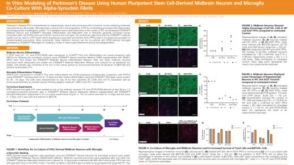 科学海报In Vitro Modeling of Parkinson’s Disease Using Human Pluripotent Stem Cell-Derived Midbrain Neuron and Microglia Co-Culture with Alpha-Synuclein Fibrils
 沪公网安备31010102008431号