Identification of rare HIV-1-infected patients with extreme CD4+ T cell decline despite ART-mediated viral suppression.
BACKGROUND The goal of antiretroviral therapy (ART) is to suppress HIV-1 replication and reconstitute CD4+ T cells. Here,we report on HIV-infected individuals who had a paradoxical decline in CD4+ T cells despite ART-mediated suppression of plasma HIV-1 load (pVL). We defined such an immunological outcome as extreme immune decline (EXID). METHODS EXID's clinical and immunological characteristics were compared to immunological responders (IRs),immunological nonresponders (INRs),healthy controls (HCs),and idiopathic CD4+ lymphopenia (ICL) patients. T cell immunophenotyping and assembly/activation of inflammasomes were evaluated by flow cytometry. PBMC transcriptome analysis and genetic screening for pathogenic variants were performed. Levels of cytokines/chemokines were measured by electrochemiluminescence. Luciferase immunoprecipitation system and NK-mediated antibody-dependent cellular cytotoxicity (ADCC) assays were used to identify anti-lymphocyte autoantibodies. RESULTS EXIDs were infected with non-B HIV-1 subtypes and after 192 weeks of consistent ART-mediated pVL suppression had a median CD4+ decrease of 157 cells/mul,compared with CD4+ increases of 193 cells/mul and 427 cells/mul in INR and IR,respectively. EXID had reduced naive CD4+ T cells,but similar proportions of cycling CD4+ T cells and HLA-DR+CD38+CD8+ T cells compared with IR and INR. Levels of inflammatory cytokines were also similar in EXID and INR,but the IL-7 axis was profoundly perturbed compared with HC,IR,INR,and ICL. Genes involved in T cell and monocyte/macrophage function,autophagy,and cell migration were differentially expressed in EXID. Two of the 5 EXIDs had autoantibodies causing ADCC,while 2 different EXIDs had an increased inflammasome/caspase-1 activation despite consistently ART-suppressed pVL. CONCLUSIONS EXID is a distinct immunological outcome compared with previously described INR. Anti-CD4+ T cell autoantibodies and aberrant inflammasome/caspase-1 activation despite suppressed HIV-1 viremia are among the mechanisms responsible for EXID.
View Publication
产品类型:
产品号#:
17955
17955RF
100-0960
产品名:
EasySep™人NK细胞分选试剂盒
RoboSep™ 人NK细胞分选试剂盒
EasySep™人NK细胞分离试剂盒
Lee K et al. (JAN 2013)
Neuron 77 1 99--114
Mossy Fiber-CA3 Synapses Mediate Homeostatic Plasticity in Mature Hippocampal Neurons
Network activity homeostatically alters synaptic efficacy to constrain neuronal output. However,it is unclear how such compensatory adaptations coexist with synaptic information storage,especially in established networks. Here,we report that in mature hippocampal neurons in vitro,network activity preferentially regulated excitatory synapses within the proximal dendrites of CA3 neurons. These homeostatic synapses exhibited morphological,functional,and molecular signatures of the specialized contacts between mossy fibers of dentate granule cells and thorny excrescences (TEs) of CA3 pyramidal neurons. In vivo TEs were also selectively and bidirectionally altered by chronic activity changes. TE formation required presynaptic synaptoporin and was suppressed by the activity-inducible kinase,Plk2. These results implicate the mossy fiber-TE synapse as an independently tunable gain control locus that permits efficacious homeostatic adjustment of mossy fiber-CA3 synapses,while preserving synaptic weights that may encode information elsewhere within the mature hippocampal circuit.
View Publication
产品类型:
产品号#:
05711
100-1281
产品名:
NeuroCult™ SM1 神经添加物
NeuroCult™ SM1 神经添加物
Sinclair L et al. (JUL 2013)
Disease Models & Mechanisms 6 4 952--963
Cytosolic caspases mediate mislocalised SOD2 depletion in an in vitro model of chronic prion infection
Oxidative stress as a contributor to neuronal death during prion infection is supported by the fact that various oxidative damage markers accumulate in the brain during the course of this disease. The normal cellular substrate of the causative agent,the prion protein,is also linked with protective functions against oxidative stress. Our previous work has found that,in chronic prion infection,an apoptotic subpopulation of cells exhibit oxidative stress and the accumulation of oxidised lipid and protein aggregates with caspase recruitment. Given the likely failure of antioxidant defence mechanisms within apoptotic prion-infected cells,we aimed to investigate the role of the crucial antioxidant pathway components,superoxide dismutases (SOD) 1 and 2,in an in vitro model of chronic prion infection. Increased total SOD activity,attributable to SOD1,was found in the overall population coincident with a decrease in SOD2 protein levels. When apoptotic cells were separated from the total population,the induction of SOD activity in the infected apoptotic cells was lost,with activity reduced back to levels seen in mock-infected control cells. In addition,mitochondrial superoxide production was increased and mitochondrial numbers decreased in the infected apoptotic subpopulation. Furthermore,a pan-caspase probe colocalised with SOD2 outside of mitochondria within cytosolic aggregates in infected cells and inhibition of caspase activity was able to restore cellular levels of SOD2 in the whole unseparated infected population to those of mock-infected control cells. Our results suggest that prion propagation exacerbates an apoptotic pathway whereby mitochondrial dysfunction follows mislocalisation of SOD2 to cytosolic caspases,permitting its degradation. Eventually,cellular capacity to maintain oxidative homeostasis is overwhelmed,thus resulting in cell death.
View Publication
产品类型:
产品号#:
05700
05701
05702
05703
05704
产品名:
NeuroCult™ 基础培养基(小鼠和大鼠)
NeuroCult™ 扩增添加物(小鼠和大鼠)
NeuroCult™扩增试剂盒(小鼠和大鼠)
NeuroCult™ 分化添加物(小鼠和大鼠)
NeuroCult™ 分化试剂盒(小鼠和大鼠)
Verreault M et al. (MAR 2013)
PLoS ONE 8 3 e59597
Combined RNAi-Mediated Suppression of Rictor and EGFR Resulted in Complete Tumor Regression in an Orthotopic Glioblastoma Tumor Model
The PI3K/AKT/mTOR pathway is commonly over activated in glioblastoma (GBM),and Rictor was shown to be an important regulator downstream of this pathway. EGFR overexpression is also frequently found in GBM tumors,and both EGFR and Rictor are associated with increased proliferation,invasion,metastasis and poor prognosis. This research evaluated in vitro and in vivo whether the combined silencing of EGFR and Rictor would result in therapeutic benefits. The therapeutic potential of targeting these proteins in combination with conventional agents with proven activity in GBM patients was also assessed. In vitro validation studies were carried out using siRNA-based gene silencing methods in a panel of three commercially available human GBM cell lines,including two PTEN mutant lines (U251MG and U118MG) and one PTEN-wild type line (LN229). The impact of EGFR and/or Rictor silencing on cell migration and sensitivity to chemotherapeutic drugs in vitro was determined. In vivo validation of these studies was focused on EGFR and/or Rictor silencing achieved using doxycycline-inducible shRNA-expressing U251MG cells implanted orthotopically in Rag2M mice brains. Target silencing,tumor size and tumor cell proliferation were assessed by quantification of immunohistofluorescence-stained markers. siRNA-mediated silencing of EGFR and Rictor reduced U251MG cell migration and increased sensitivity of the cells to irinotecan,temozolomide and vincristine. In LN229,co-silencing of EGFR and Rictor resulted in reduced cell migration,and increased sensitivity to vincristine and temozolomide. In U118MG,silencing of Rictor alone was sufficient to increase this line's sensitivity to vincristine and temozolomide. In vivo,while the silencing of EGFR or Rictor alone had no significant effect on U251MG tumor growth,silencing of EGFR and Rictor together resulted in a complete eradication of tumors. These data suggest that the combined silencing of EGFR and Rictor should be an effective means of treating GBM.
View Publication
产品类型:
产品号#:
05750
05751
产品名:
NeuroCult™ NS-A 基础培养基(人)
NeuroCult™ NS-A 扩增试剂盒(人)
Zhang M et al. (DEC 2015)
Biomaterials 72 163--171
Applications of stripe assay in the study of CXCL12-mediated neural progenitor cell migration and polarization.
The polarization and migration of neural progenitor cells (NPCs) are critical for embryonic brain development and neurogenesis after brain injury. Although stromal-derived factor-1α (SDF-1α,CXCL12) and its receptor CXCR4 are well-known to mediate the migration of NPCs in the developing brain,the dynamic cellular processes and structure-related molecular events remain elusive. Transwell and microfluidic-based assays are classical assays to effectively study cellular migration. However,both of them have limitations in the analysis of a single cell. In this study,we modified the stripe assay and extended its applications in the study of NPC polarization and intracellular molecular events associated with CXCL12-mediated migration. In response to localized CXCL12,NPCs formed lamellipodia in the stripe assay. Furthermore,CXCR4 and Rac1 quickly re-distributed to the area of lamellipodia,indicating their roles in NPC polarization upon CXCL12 stimulation. Although the chemokine stripes in the assay provided concentration gradients that can be best used to study cellular polarization and migration through immunocytochemistry,they can also generate live imaging data with comparable quality. In conclusion,stripe assay is a visual,dynamic and economical tool to study cellular mobility and its related molecule mechanisms.
View Publication
产品类型:
产品号#:
05700
05701
05702
产品名:
NeuroCult™ 基础培养基(小鼠和大鼠)
NeuroCult™ 扩增添加物(小鼠和大鼠)
NeuroCult™扩增试剂盒(小鼠和大鼠)
Ferreira JS et al. (JUN 2015)
The Journal of neuroscience : the official journal of the Society for Neuroscience 35 22 8462--79
GluN2B-Containing NMDA Receptors Regulate AMPA Receptor Traffic through Anchoring of the Synaptic Proteasome.
NMDA receptors play a central role in shaping the strength of synaptic connections throughout development and in mediating synaptic plasticity mechanisms that underlie some forms of learning and memory formation in the CNS. In the hippocampus and the neocortex,GluN1 is combined primarily with GluN2A and GluN2B,which are differentially expressed during development and confer distinct molecular and physiological properties to NMDA receptors. The contribution of each subunit to the synaptic traffic of NMDA receptors and therefore to their role during development and in synaptic plasticity is still controversial. We report a critical role for the GluN2B subunit in regulating NMDA receptor synaptic targeting. In the absence of GluN2B,the synaptic levels of AMPA receptors are increased and accompanied by decreased constitutive endocytosis of GluA1-AMPA receptor. We used quantitative proteomic analysis to identify changes in the composition of postsynaptic densities from GluN2B(-/-) mouse primary neuronal cultures and found altered levels of several ubiquitin proteasome system components,in particular decreased levels of proteasome subunits. Enhancing the proteasome activity with a novel proteasome activator restored the synaptic levels of AMPA receptors in GluN2B(-/-) neurons and their endocytosis,revealing that GluN2B-mediated anchoring of the synaptic proteasome is responsible for fine tuning AMPA receptor synaptic levels under basal conditions.
View Publication
产品类型:
产品号#:
05711
100-1281
产品名:
NeuroCult™ SM1 神经添加物
NeuroCult™ SM1 神经添加物
Hou Y et al. (MAY 2014)
Neurobiology of Aging 35 5 975--989
Permeability transition pore-mediated mitochondrial superoxide flashes mediate an early inhibitory effect of amyloid beta1 42 on neural progenitor cell proliferation
Cellular damage by reactive oxygen species and altered neurogenesis are implicated in the etiology of AD and the pathogenic actions of amyloid β-peptide (Aβ); the underlying mechanisms and the early oxidative intracellular events triggered by Aβ are not established. In the present study,we found that mouse embryonic cortical neural progenitor cells exhibit intermittent spontaneous mitochondrial superoxide (SO) flashes that require transient opening of mitochondrial permeability transition pores (mPTPs). The incidence of mitochondria SO flash activity in neural progenitor cells (NPCs) increased during the first 6-24 hours of exposure to aggregating amyloid β-peptide (Aβ1-42),indicating an increase in transient mPTP opening. Subsequently,the SO flash frequency progressively decreased and ceased between 48 and 72 hours of exposure to Aβ1-42,during which time global cellular reactive oxygen species increased,mitochondrial membrane potential decreased,cytochrome C was released from mitochondria and the cells degenerated. Inhibition of mPTPs and selective reduction in mitochondrial SO flashes significantly ameliorated the negative effects of Aβ1-42 on NPC proliferation and survival. Our findings suggest that mPTP-mediated bursts of mitochondrial SO production is a relatively early and pivotal event in the adverse effects of Aβ1-42 on NPCs. If Aβ inhibits NPC proliferation in the brains of AD patients by a similar mechanism,then interventions that inhibit mPTP-mediated superoxide flashes would be expected to protect NPCs against the adverse effects of Aβ.
View Publication
Q. Zhou et al. (Apr 2023)
Gastroenterology 164 630-641.e34
Catechol-O-Methyltransferase Loss Drives Cell-Specific Nociceptive Signaling via the Enteric Catechol-O-Methyltransferase/microRNA-155/Tumor Necrosis Factor ? Axis
BACKGROUND & AIMS The etiology of abdominal pain in postinfectious,diarrhea-predominant irritable bowel syndrome (PI-IBS-D) is unknown,and few treatment options exist. Catechol-O-methyltransferase (COMT),an enzyme that inactivates and degrades biologically active catecholamines,plays an important role in numerous physiologic processes,including modulation of pain perception. Our objective was to determine the mechanism(s) of how decreased colonic COMT in PI-IBS-D patients contributes to the chronic abdominal pain phenotype after enteric infections. METHODS Colon neurons,epithelial cells,and macrophages were procured with laser capture microdissection from PI-IBS-D patients to evaluate cell-specific colonic COMT,microRNA-155 (miR-155),and tumor necrosis factor (TNF) ? expression levels compared to recovered patients (infection cleared: did not develop PI-IBS-D) and control individuals. COMT-/-,colon-specific COMT-/-,and miR-155-/- mice and human colonoids were used to model phenotypic expression of COMT in PI-IBS-D patients and to investigate signaling pathways linking abdominal pain. Citrobacter rodentium and trinitrobenzene sulfonic acid animal models were used to model postinflammatory changes seen in PI-IBS-D patients. RESULTS Colonic COMT levels were significantly decreased and correlated with increased visual analog scale abdominal pain ratings in PI-IBS-D patients compared to recovered patients and control individuals. Colonic miR-155 and TNF-? were increased in PI-IBS-D patients with diminished colonic COMT. COMT-/- mice had significantly increased expression of miR-155 and TNF-? in both colon tissues and dorsal root ganglia. Introduction of cV1q antibody (anti-TNF-?) into mice reversed visceral hypersensitivity after C rodentium and trinitrobenzene sulfonic acid. CONCLUSIONS Decreased colonic COMT in PI-IBS-D patients drives abdominal pain phenotypes via the COMT/miR-155/TNF-? axis. These important findings will allow new treatment paradigms and more targeted and personalized medicine approaches for gastrointestinal disorders after enteric infections.
View Publication
产品类型:
产品号#:
06005
06010
产品名:
IntestiCult™ 类器官生长培养基 (小鼠)
IntestiCult™ 类器官生长培养基 (人)
M. M. Waldman et al. ( 2022)
Frontiers in immunology 13 856977
Ena/VASP Protein-Mediated Actin Polymerization Contributes to Na\ive CD8+ T Cell Activation and Expansion by Promoting T Cell-APC Interactions In Vivo."
Na{\{i}}ve T cell activation in secondary lymphoid organs such as lymph nodes (LNs) occurs upon recognition of cognate antigen presented by antigen presenting cells (APCs). T cell activation requires cytoskeleton rearrangement and sustained interactions with APCs. Enabled/vasodilator-stimulated phosphoprotein (Ena/VASP) proteins are a family of cytoskeletal effector proteins responsible for actin polymerization and are frequently found at the leading edge of motile cells. Ena/VASP proteins have been implicated in motility and adhesion in various cell types but their role in primary T cell interstitial motility and activation has not been explored. Our goal was to determine the contribution of Ena/VASP proteins to T cell-APC interactions T cell activation and T cell expansion in vivo. Our results showed that na{\"{i}}ve T cells from Ena/VASP-deficient mice have a significant reduction in antigen-specific T cell accumulation following Listeria monocytogenes infection. The kinetics of T cell expansion impairment were further confirmed in Ena/VASP-deficient T cells stimulated via dendritic cell immunization. To investigate the cause of this T cell expansion defect we analyzed T cell-APC interactions in vivo by two-photon microscopy and observed fewer Ena/VASP-deficient na{\"{i}}ve T cells interacting with APCs in LNs during priming. We also determined that Ena/VASP-deficient T cells formed conjugates with significantly less actin polymerization at the T cell-APC synapse and that these conjugates were less stable than their WT counterparts. Finally we found that Ena/VASP-deficient T cells have less LFA-1 polarized to the T cell-APC synapse. Thus we conclude that Ena/VASP proteins contribute to T cell actin remodeling during T cell-APC interactions which promotes the initiation of stable T cell conjugates during APC scanning. Therefore Ena/VASP proteins are required for efficient activation and expansion of T cells in vivo."
View Publication
产品类型:
产品号#:
19853
19853RF
产品名:
EasySep™小鼠CD8+ T细胞分选试剂盒
RoboSep™ 小鼠CD8+ T细胞分选试剂盒
A. Dangi et al. (oct 2022)
Journal of the American Society of Nephrology : JASN 33 10 1876--1890
Blocking CCL8-CCR8-Mediated Early Allograft Inflammation Improves Kidney Transplant Function.
BACKGROUND In kidney transplantation,early allograft inflammation impairs long-term allograft function. However,precise mediators of early kidney allograft inflammation are unclear,making it challenging to design therapeutic interventions. METHODS We used an allogeneic murine kidney transplant model in which CD45.2 BALB/c kidneys were transplanted to CD45.1 C57BL/6 recipients. RESULTS Donor kidney resident macrophages within the allograft expanded rapidly in the first 3 days. During this period,they were also induced to express a high level of Ccl8,which,in turn,promoted recipient monocyte graft infiltration,their differentiation to resident macrophages,and subsequent expression of Ccl8. Enhanced graft infiltration of recipient CCR8+ T cells followed,including CD4,CD8,and ?? T cells. Consequently,blocking CCL8-CCR8 or depleting donor kidney resident macrophages significantly inhibits early allograft immune cell infiltration and promotes superior short-term allograft function. CONCLUSIONS Targeting the CCL8-CCR8 axis is a promising measure to reduce early kidney allograft inflammation.
View Publication


 EasySep™小鼠TIL(CD45)正选试剂盒





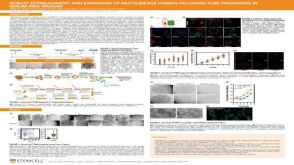 科学海报Robust Establishment and Expansion of Multilineage Human Fallopian Tube Organoids in Serum-Free Medium
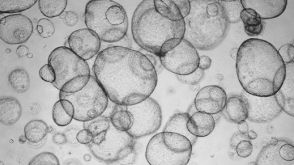 实验方案How to Perform Albumin Detection Assays in Human Hepatic Organoids
 沪公网安备31010102008431号