A. J. Moroi and P. J. Newman (jan 2022)
Journal of thrombosis and haemostasis : JTH 20 1 182--195
Conditional CRISPR-mediated deletion of Lyn kinase enhances differentiation and function of iPSC-derived megakaryocytes.
BACKGROUND Thrombocytopenia leading to life-threatening excessive bleeding can be treated by platelet transfusion. Currently,such treatments are totally dependent on donor-derived platelets. To support future applications in the use of in vitro-derived platelets,we sought to identify genes whose manipulation might improve the efficiency of megakaryocyte production and resulting hemostatic effectiveness. Disruption of Lyn kinase has previously been shown to improve cell survival,megakaryocyte ploidy and TPO-mediated activation in mice,but its role in human megakaryocytes and platelets has not been examined. METHODS To analyze the role of Lyn at defined differentiation stages during human megakaryocyte differentiation,conditional Lyn-deficient cells were generated using CRISPR/Cas9 technology in iPS cells. The efficiency of Lyn-deficient megakaryocytes to differentiate and become activated in response to a range of platelet agonists was analyzed in iPSC-derived megakaryocytes. RESULTS Temporally controlled deletion of Lyn improved the in vitro differentiation of hematopoietic progenitor cells into mature megakaryocytes,as measured by the rate and extent of appearance of CD41+ CD42+ cells. Lyn-deficient megakaryocytes also demonstrated improved hemostatic effectiveness,as reported by their ability to mediate clot formation in rotational thromboelastometry. Finally,Lyn-deficient megakaryocytes produced increased numbers of platelet-like particles (PLP) in vitro. CONCLUSIONS Conditional deletion of Lyn kinase increases the hemostatic effectiveness of megakaryocytes and their progeny as well as improving their yield. Adoption of this system during generation of in vitro-derived platelets may contribute to both their efficiency of production and their ability to support hemostasis.
View Publication
产品类型:
产品号#:
17662
85850
17662RF
85857
产品名:
EasySep™人FITC正选试剂盒II
mTeSR™1
RoboSep™ 人FITC正选试剂盒II
mTeSR™1
J. Bruminhent et al. (mar 2022)
American journal of transplantation : official journal of the American Society of Transplantation and the American Society of Transplant Surgeons 22 3 813--822
SARS-CoV-2-specific humoral and cell-mediated immune responses after immunization with inactivated COVID-19 vaccine in kidney transplant recipients (CVIM 1 study).
Immunogenicity following inactivated SARS-CoV-2 vaccination among solid organ transplant recipients has not been assessed. Seventy-five patients (37 kidney transplant [KT] recipients and 38 healthy controls) received two doses,at 4-week intervals,of an inactivated whole-virus SARS-CoV-2 vaccine. SARS-CoV-2-specific humoral (HMI) and cell-mediated immunity (CMI) were measured before,4 weeks post-first dose,and 2 weeks post-second dose. The median (IQR) age of KT recipients was 50 (42-54) years and 89% were receiving calcineurin inhibitors/mycophenolate/corticosteroid regimens. The median (IQR) time since transplant was 4.5 (2-9.5) years. Among 35 KT patients,the median (IQR) of anti-RBD IgG level measured by CLIA after vaccination was not different from baseline,but was significantly lower than in controls (2.4 [1.1-3.7] vs. 1742.0 [747.7-3783.0] AU/ml,p < .01) as well as percentages of neutralizing antibody inhibition measured by surrogate viral neutralization test (0 [0-0] vs. 71.2 [56.8-92.2]%,p < .01). However,the median (IQR) of SARS-CoV-2 mixed peptides-specific T cell responses measured by ELISpot was significantly increased compared with baseline (30 [4-120] vs. 12 [0-56] T cells/106 PBMCs,p = .02) and not different from the controls. Our findings revealed weak HMI but comparable CMI responses in fully vaccinated KT recipients receiving inactivated SARS-CoV-2 vaccination compared to immunocompetent individuals (Thai Clinical Trials Registry,TCTR20210226002).
View Publication
产品类型:
产品号#:
19654
19654RF
产品名:
EasySep™ Direct 人 PBMC 分选试剂盒
RoboSep™ Direct 人 PBMC 分选试剂盒
F. Shahneh et al. (feb 2022)
Arteriosclerosis,thrombosis,and vascular biology 42 2 145--155
Inflammatory Monocyte Counts Determine Venous Blood Clot Formation and Resolution.
BACKGROUND Monocytes are thought to be involved in venous thrombosis but the role of individual monocyte subpopulations on thrombus formation,clot inflammation,and degradation is an important unresolved issue. We investigate the role of inflammatory Ly6Chi monocytes in deep vein thrombosis and their potential therapeutic impact. METHODS Frequencies and compositions of blood monocytes were analyzed by flow cytometry in CCR2-/- (C-C chemokine receptor type 2) and wild-type mice of different ages and after treatment with the NR4A1 (nuclear receptor group 4 family A member 1,Nur77) agonist CnsB (cytosporone B). TF (tissue factor) sufficient and deficient Ly6Chi monocytes were adoptively transferred into aged CCR2-/- mice. Thrombus formation and size were followed by ultrasound over a 3-week period after surgical reduction of blood flow (stenosis) in the inferior vena cava. RESULTS Reduced numbers of peripheral monocytes in aged (>30 w) CCR2-/- mice are accompanied by reduced thrombus formation after inferior vena cava ligation. Reducing the number of inflammatory Ly6Chi monocytes in wild-type mice by CsnB treatment before ligation,similarly suspends clotting,while later treatment (d1 or d4) reduces thrombus growth and accelerates resolution. We describe how changes in inflammatory monocyte numbers affect the gradual differentiation of monocytes in thrombi and show that only tissue factor-competent Ly6Chi monocytes restore thrombosis in aged CCR2-/- mice. CONCLUSIONS We conclude that the number of inflammatory Ly6Chi monocytes controls deep vein thrombosis formation,growth,and resolution and can be therapeutically manipulated with a NR4A1 agonist at all disease stages.
View Publication
VPS13C regulates phospho-Rab10-mediated lysosomal function in human dopaminergic neurons
Using live-cell microscopy,we find that loss of VPS13C in human neurons disrupts lysosomal morphology and dynamics with increased inter-lysosomal tethers,leading to impaired lysosomal motility and defective lysosomal function as well as a decreased phospho-Rab10-mediated lysosomal stress response. Loss-of-function mutations in VPS13C are linked to early-onset Parkinson’s disease (PD). While VPS13C has been previously studied in non-neuronal cells,the neuronal role of VPS13C in disease-relevant human dopaminergic neurons has not been elucidated. Using live-cell microscopy,we investigated the role of VPS13C in regulating lysosomal dynamics and function in human iPSC-derived dopaminergic neurons. Loss of VPS13C in dopaminergic neurons disrupts lysosomal morphology and dynamics with increased inter-lysosomal contacts,leading to impaired lysosomal motility and cellular distribution,as well as defective lysosomal hydrolytic activity and acidification. We identified Rab10 as a phospho-dependent interactor of VPS13C on lysosomes and observed a decreased phospho-Rab10-mediated lysosomal stress response upon loss of VPS13C. These findings highlight an important role of VPS13C in regulating lysosomal homeostasis in human dopaminergic neurons and suggest that disruptions in Rab10-mediated lysosomal stress response contribute to disease pathogenesis in VPS13C-linked PD.
View Publication
产品类型:
产品号#:
100-0276
100-1130
产品名:
mTeSR™ Plus
mTeSR™ Plus
(Sep 2024)
Molecular Medicine 30 2
SYK promotes the formation of neutrophil extracellular traps by inducing PKM2 nuclear translocation and promoting STAT3 phosphorylation to exacerbate hepatic ischemia-reperfusion injury and tumor recurrence
BackgroundAt present,hepatic ischemia-reperfusion injury (IRI) is an important complication of partial hepatectomy and liver transplantation,and it is an important cause of poor prognosis. Spleen tyrosine kinase(SYK) plays an important role in a variety of signaling pathways in the liver,but its role in hepatic IRI is still unclear. This study aims to investigate the role and mechanism of SYK in hepatic IRI and tumor recurrence.MethodsWe first observed the activation of SYK in the liver of mice in response to hepatic IRI. Subsequently,Pharmacological inhibitions of SYK were used to evaluated the effect of SYK on neutrophil recruitment and NETosis,and further explored the effect of SYK on IRI and tumor recurrence.ResultsOur study shows that SYK is activated in response to hepatic IRI and aggravates liver injury. On the one hand,neutrophils SYK during the early stage of liver reperfusion increases neutrophil extracellular traps (NETs) production by promoting Pyruvate kinase M2(PKM2) nuclear translocation leading to upregulation of phosphorylated STAT3,thereby exacerbating liver inflammation and tumor recurrence. On the other hand,macrophages SYK can promote the recruitment of neutrophils and increase the activation of NLRP3 inflammasome and IL1β,which further promotes the formation of NETs.ConclusionsOur study demonstrates that neutrophil and macrophage SYK synergistically promote hepatic IRI and tumor recurrence,and SYK may be a potential target to improve postoperative hepatic IRI and tumor recurrence.Supplementary InformationThe online version contains supplementary material available at 10.1186/s10020-024-00907-7.
View Publication
产品类型:
产品号#:
19666
19762
100-0404
19762RF
产品名:
EasySep™ Direct人中性粒细胞分选试剂盒
EasySep™小鼠中性粒细胞富集试剂盒
RoboSep™ 人中性粒细胞分选试剂盒
RoboSep™ 小鼠中性粒细胞富集试剂盒含滤芯吸头
(Feb 2024)
Immunity,Inflammation and Disease 12 2
Galectin‐9 alleviates acute graft‐versus‐host disease after haplo‐hematopoietic stem cell transplantation by regulating regulatory T cell/effector T cell imbalance
AbstractBackgroundAcute graft‐versus‐host disease (aGVHD) arises from the imbalance of host T cells. Galectin‐9 negatively regulates CD4 effector T cell (Th1 and Th17) function by binding to Tim‐3. However,the relationship between Galectin‐9/Tim‐3 and CD4+ T subsets in patients with aGVHD after Haplo‐HSCT (haploidentical peripheral blood hematopoietic stem cell transplantation) has not been fully elucidated. Here,we investigated the role of Galectin‐9 and CD4+T subsets in aGVHD after haplo‐HSCT.MethodsForty‐two patients underwent Haplo‐HSCT (26 without aGVHD and 16 with aGVHD),and 20 healthy controls were included. The concentrations of Galectin‐9,interferon‐gamma (IFN‐γ),interleukin (IL)‐4,transforming growth factor (TGF)‐β,and IL‐17 in the serum and culture supernatant were measured using enzyme‐linked immunosorbent assay or cytometric bead array. The expression levels of Galectin‐9,PI3K,p‐PI3K,and p‐mTOR protein were detected by western blot analysis. Flow cytometry was used to analyze the proportions of CD4+ T cell subsets. Bioinformatics analysis was performed.ResultsIn patients with aGVHD,regulatory T (Treg) cells and Galectin‐9 decreased,and the Th1,Th17,and Treg cells were significantly imbalanced. Moreover,Treg and Galectin‐9 were rapidly reconstituted in the early stage of patients without aGVHD after Haplo‐HSCT,but Th17 cells were reconstituted slowly. Furthermore,Tim‐3 upregulation on Th17 and Th1 cells was associated with excessive activation of the PI3K/AKT pathway in patients with aGVHD. Specifically,in vitro treatment with Galectin‐9 reduced IFN‐γ and IL‐17 production while augmenting TGF‐β secretion. Bioinformatics analysis suggested the potential involvement of the PI3K/AKT/mTOR pathway in aGVHD. Mechanistically,exogenous Galectin‐9 was found to mitigate aGVHD by restoring the Treg/Teffs (effector T cells) balance and suppressing PI3K.ConclusionGalectin‐9 may ameliorate aGVHD after haplo‐HSCT by modulating Treg/Teffs balance and regulating the PI3K/AKT/mTOR pathway. Targeting Galectin‐9 may hold potential value for the treatment of aGVHD. In patients with acute graft‐versus‐host disease (aGVHD),the expression of Tim‐3 is significantly increased. Galectin‐9 binding to Tim‐3 may inhibit the activation of the PI3K/AKT pathway and enhance the function of Treg cells. On the other hand,transforming growth factor (TGF)‐β promotes the differentiation of Treg cells through autocrine secretion,while TGF‐β induces the expression of Galectin‐9 in a paracrine manner. The increased Treg cells can inhibit the activation of Th1 and Th17 cells by secreting TGF‐β,thus alleviating aGVHD and inducing immune tolerance
View Publication
产品类型:
产品号#:
18000
产品名:
EasySep™磁极
(Jan 2025)
Cancers 17 1
A Novel In Vitro Model of the Bone Marrow Microenvironment in Acute Myeloid Leukemia Identifies CD44 and Focal Adhesion Kinase as Therapeutic Targets to Reverse Cell Adhesion-Mediated Drug Resistance
Simple SummaryAcute myeloid leukemia (AML) is a challenging blood cancer to treat,with only about 24% of patients surviving for 5 years after diagnosis. A key challenge is that AML cells stick to normal cells in the bone marrow (BM),and these BM cells protect them from chemotherapy. The aim of this project is to find drugs that disrupt AML cell adherence to BM cells and release them into the blood,where chemotherapy will be more effective. To achieve this,we have created a model of adhesive BM and shown that it mimics the drug resistance seen clinically. We have used the model as a testing platform for drugs that disrupt AML cell adhesion. We have shown that the combined targeting of CD44 and FAK,using anti-CD44 and the clinical-grade FAK inhibitor defactinib,inhibits the adhesion of the most primitive AML cells that are associated with drug resistance and disease relapse. AbstractBackground/Objectives: Acute myeloid leukemia (AML) is an aggressive neoplasm. Although most patients respond to induction therapy,they commonly relapse due to recurrent disease in the bone marrow microenvironment (BMME). So,the disruption of the BMME,releasing tumor cells into the peripheral circulation,has therapeutic potential. Methods: Using both primary donor AML cells and cell lines,we developed an in vitro co-culture model of the AML BMME. We used this model to identify the most effective agent(s) to block AML cell adherence and reverse adhesion-mediated treatment resistance. Results: We identified that anti-CD44 treatment significantly increased the efficacy of cytarabine. However,some AML cells remained adhered,and transcriptional analysis identified focal adhesion kinase (FAK) signaling as a contributing factor; the adhered cells showed elevated FAK phosphorylation that was reduced by the FAK inhibitor,defactinib. Importantly,we demonstrated that anti-CD44 and defactinib were highly synergistic at diminishing the adhesion of the most primitive CD34high AML cells in primary autologous co-cultures. Conclusions: Taken together,we identified anti-CD44 and defactinib as a promising therapeutic combination to release AML cells from the chemoprotective AML BMME. As anti-CD44 is already available as a recombinant humanized monoclonal antibody,the combination of this agent with defactinib could be rapidly tested in AML clinical trials.
View Publication
产品类型:
产品号#:
18000
产品名:
EasySep™磁极
(Feb 2025)
Journal of Translational Medicine 23 1
Cancer ATF4-mediated CD58 endocytosis impairs anti-tumor immunity and immunotherapy
Co-stimulatory molecules are imperative for CD8+ T cells to eliminate target cell and maintain sustained cytotoxicity. Despite an advanced understanding of the co-stimulatory molecules deficiency that results in tumor escape,the tumor cell-intrinsic mechanisms that regulate co-stimulatory molecules remain enigmatic,and an in-depth dissection could facilitate the improvement of treatment options. To this end,in this study,we report that the deficiency of the critical costimulatory molecule CD58,mediated by the expression of ATF4 in tumor cells,impairs the formation of immunological synapses (IS) and leads to the deterioration of antitumor immune function of CD8+ T cells. Mechanistically,ATF4 transcriptionally upregulated dynamin 1 (DNM1) expression leading to DNM1-dependent endocytosis (DDE)-mediated degradation of CD58. Furthermore,administration of DDE inhibitor prochlorperazine or ATF4 knockdown effectively restored CD58 expression,boosting CD8+ T cell cytotoxicity and immunotherapy efficiency. Thus,our study reveals that ATF4 in tumor cells weakens CD58 expression to interfere with complete IS formation,and indicates potential approaches to improve the cytolytic function of CD8+ T cell in tumor immunotherapy.Supplementary InformationThe online version contains supplementary material available at 10.1186/s12967-025-06245-4.
View Publication
Uncovering the dynamics and consequences of RNA isoform changes during neuronal differentiation
Static gene expression programs have been extensively characterized in stem cells and mature human cells. However,the dynamics of RNA isoform changes upon cell-state-transitions during cell differentiation,the determinants and functional consequences have largely remained unclear. Here,we established an improved model for human neurogenesis in vitro that is amenable for systems-wide analyses of gene expression. Our multi-omics analysis reveals that the pronounced alterations in cell morphology correlate strongly with widespread changes in RNA isoform expression. Our approach identifies thousands of new RNA isoforms that are expressed at distinct differentiation stages. RNA isoforms mainly arise from exon skipping and the alternative usage of transcription start and polyadenylation sites during human neurogenesis. The transcript isoform changes can remodel the identity and functions of protein isoforms. Finally,our study identifies a set of RNA binding proteins as a potential determinant of differentiation stage-specific global isoform changes. This work supports the view of regulated isoform changes that underlie state-transitions during neurogenesis. Synopsis Multi-omics analysis of a newly established human neuronal cell differentiation model reveals widespread dynamic changes in RNA isoform expression,their functional consequences and potential determinants,providing evidence that they underlie cell-state-transitions during neurogenesis. Dynamic changes in RNA and protein levels are strongly correlated during all stages of neuronal differentiation.Nanopore sequencing (ONT-seq) during human neurogenesis reveals 12,019 non-annotated RNA isoforms,a large number of which are differentially expressed during differentiation.70% of new RNA isoforms result from the use of alternative transcription start sites (TSSs) or polyadenylation (pA) sites and exon skipping.RNA isoform changes underlie protein isoform changes during human neurogenesis as revealed by integrating ONT-seq,RNA-seq and proteomics time course data.RNA motif enrichment,RNA-seq and available CLIP-seq data uncover a set of RNA binding proteins (RBPs) as potential determinants of differentiation stage-specific global isoform changes. Multi-omics analysis of a newly established human neuronal cell differentiation model reveals widespread dynamic changes in RNA isoform expression,their functional consequences and potential determinants,providing evidence that they underlie cell-state-transitions during neurogenesis.
View Publication


 EasySep™小鼠TIL(CD45)正选试剂盒





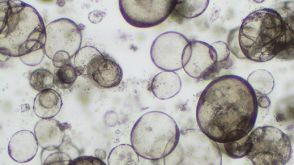 实验方案Forskolin-Induced Swelling of Airway Organoids Derived from Healthy and Cystic Fibrosis Donors
 实验方案How to Measure NK Cell-Mediated Antibody-Dependent Cellular Cytotoxicity Using Flow Cytometry-Based Assays

 沪公网安备31010102008431号