A. J. Moroi and P. J. Newman (jan 2022)
Journal of thrombosis and haemostasis : JTH 20 1 182--195
Conditional CRISPR-mediated deletion of Lyn kinase enhances differentiation and function of iPSC-derived megakaryocytes.
BACKGROUND Thrombocytopenia leading to life-threatening excessive bleeding can be treated by platelet transfusion. Currently,such treatments are totally dependent on donor-derived platelets. To support future applications in the use of in vitro-derived platelets,we sought to identify genes whose manipulation might improve the efficiency of megakaryocyte production and resulting hemostatic effectiveness. Disruption of Lyn kinase has previously been shown to improve cell survival,megakaryocyte ploidy and TPO-mediated activation in mice,but its role in human megakaryocytes and platelets has not been examined. METHODS To analyze the role of Lyn at defined differentiation stages during human megakaryocyte differentiation,conditional Lyn-deficient cells were generated using CRISPR/Cas9 technology in iPS cells. The efficiency of Lyn-deficient megakaryocytes to differentiate and become activated in response to a range of platelet agonists was analyzed in iPSC-derived megakaryocytes. RESULTS Temporally controlled deletion of Lyn improved the in vitro differentiation of hematopoietic progenitor cells into mature megakaryocytes,as measured by the rate and extent of appearance of CD41+ CD42+ cells. Lyn-deficient megakaryocytes also demonstrated improved hemostatic effectiveness,as reported by their ability to mediate clot formation in rotational thromboelastometry. Finally,Lyn-deficient megakaryocytes produced increased numbers of platelet-like particles (PLP) in vitro. CONCLUSIONS Conditional deletion of Lyn kinase increases the hemostatic effectiveness of megakaryocytes and their progeny as well as improving their yield. Adoption of this system during generation of in vitro-derived platelets may contribute to both their efficiency of production and their ability to support hemostasis.
View Publication
产品类型:
产品号#:
17662
85850
17662RF
85857
产品名:
EasySep™人FITC正选试剂盒II
mTeSR™1
RoboSep™ 人FITC正选试剂盒II
mTeSR™1
J. Bruminhent et al. (mar 2022)
American journal of transplantation : official journal of the American Society of Transplantation and the American Society of Transplant Surgeons 22 3 813--822
SARS-CoV-2-specific humoral and cell-mediated immune responses after immunization with inactivated COVID-19 vaccine in kidney transplant recipients (CVIM 1 study).
Immunogenicity following inactivated SARS-CoV-2 vaccination among solid organ transplant recipients has not been assessed. Seventy-five patients (37 kidney transplant [KT] recipients and 38 healthy controls) received two doses,at 4-week intervals,of an inactivated whole-virus SARS-CoV-2 vaccine. SARS-CoV-2-specific humoral (HMI) and cell-mediated immunity (CMI) were measured before,4 weeks post-first dose,and 2 weeks post-second dose. The median (IQR) age of KT recipients was 50 (42-54) years and 89% were receiving calcineurin inhibitors/mycophenolate/corticosteroid regimens. The median (IQR) time since transplant was 4.5 (2-9.5) years. Among 35 KT patients,the median (IQR) of anti-RBD IgG level measured by CLIA after vaccination was not different from baseline,but was significantly lower than in controls (2.4 [1.1-3.7] vs. 1742.0 [747.7-3783.0] AU/ml,p < .01) as well as percentages of neutralizing antibody inhibition measured by surrogate viral neutralization test (0 [0-0] vs. 71.2 [56.8-92.2]%,p < .01). However,the median (IQR) of SARS-CoV-2 mixed peptides-specific T cell responses measured by ELISpot was significantly increased compared with baseline (30 [4-120] vs. 12 [0-56] T cells/106 PBMCs,p = .02) and not different from the controls. Our findings revealed weak HMI but comparable CMI responses in fully vaccinated KT recipients receiving inactivated SARS-CoV-2 vaccination compared to immunocompetent individuals (Thai Clinical Trials Registry,TCTR20210226002).
View Publication
产品类型:
产品号#:
19654
19654RF
产品名:
EasySep™ Direct 人 PBMC 分选试剂盒
RoboSep™ Direct 人 PBMC 分选试剂盒
F. Shahneh et al. (feb 2022)
Arteriosclerosis,thrombosis,and vascular biology 42 2 145--155
Inflammatory Monocyte Counts Determine Venous Blood Clot Formation and Resolution.
BACKGROUND Monocytes are thought to be involved in venous thrombosis but the role of individual monocyte subpopulations on thrombus formation,clot inflammation,and degradation is an important unresolved issue. We investigate the role of inflammatory Ly6Chi monocytes in deep vein thrombosis and their potential therapeutic impact. METHODS Frequencies and compositions of blood monocytes were analyzed by flow cytometry in CCR2-/- (C-C chemokine receptor type 2) and wild-type mice of different ages and after treatment with the NR4A1 (nuclear receptor group 4 family A member 1,Nur77) agonist CnsB (cytosporone B). TF (tissue factor) sufficient and deficient Ly6Chi monocytes were adoptively transferred into aged CCR2-/- mice. Thrombus formation and size were followed by ultrasound over a 3-week period after surgical reduction of blood flow (stenosis) in the inferior vena cava. RESULTS Reduced numbers of peripheral monocytes in aged (>30 w) CCR2-/- mice are accompanied by reduced thrombus formation after inferior vena cava ligation. Reducing the number of inflammatory Ly6Chi monocytes in wild-type mice by CsnB treatment before ligation,similarly suspends clotting,while later treatment (d1 or d4) reduces thrombus growth and accelerates resolution. We describe how changes in inflammatory monocyte numbers affect the gradual differentiation of monocytes in thrombi and show that only tissue factor-competent Ly6Chi monocytes restore thrombosis in aged CCR2-/- mice. CONCLUSIONS We conclude that the number of inflammatory Ly6Chi monocytes controls deep vein thrombosis formation,growth,and resolution and can be therapeutically manipulated with a NR4A1 agonist at all disease stages.
View Publication
产品类型:
产品号#:
17858
19861
17858RF
100-0694
19861RF
产品名:
EasySep™人CD14正选试剂盒II
EasySep™小鼠单核细胞分选试剂盒
RoboSep™ 人CD14正选试剂盒II
EasySep™人CD14正选试剂盒II
RoboSep™ 小鼠单核细胞分选试剂盒
R. M. van der Sluis et al. (may 2022)
The EMBO journal 41 10 e109622
TLR2 and TLR7 mediate distinct immunopathological and antiviral plasmacytoid dendritic cell responses to SARS-CoV-2 infection.
Understanding the molecular pathways driving the acute antiviral and inflammatory response to SARS-CoV-2 infection is critical for developing treatments for severe COVID-19. Here,we find decreasing number of circulating plasmacytoid dendritic cells (pDCs) in COVID-19 patients early after symptom onset,correlating with disease severity. pDC depletion is transient and coincides with decreased expression of antiviral type I IFN? and of systemic inflammatory cytokines CXCL10 and IL-6. Using an in vitro stem cell-based human pDC model,we further demonstrate that pDCs,while not supporting SARS-CoV-2 replication,directly sense the virus and in response produce multiple antiviral (interferons: IFN? and IFN?1) and inflammatory (IL-6,IL-8,CXCL10) cytokines that protect epithelial cells from de novo SARS-CoV-2 infection. Via targeted deletion of virus-recognition innate immune pathways,we identify TLR7-MyD88 signaling as crucial for production of antiviral interferons (IFNs),whereas Toll-like receptor (TLR)2 is responsible for the inflammatory IL-6 response. We further show that SARS-CoV-2 engages the receptor neuropilin-1 on pDCs to selectively mitigate the antiviral interferon response,but not the IL-6 response,suggesting neuropilin-1 as potential therapeutic target for stimulation of TLR7-mediated antiviral protection.
View Publication
产品类型:
产品号#:
17896
17896RF
19062
19062RF
产品名:
EasySep™人脐带血CD34正选试剂盒II
RoboSep™ 人脐带血CD34正选试剂盒II
EasySep™人浆细胞样DC富集试剂盒
RoboSep™ 人浆细胞样DC富集试剂盒含滤芯吸头
Y. Shen et al. (mar 2022)
Journal for immunotherapy of cancer 10 3
Cancer cell-intrinsic resistance to BiTE therapy is mediated by loss of CD58 costimulation and modulation of the extrinsic apoptotic pathway.
BACKGROUND Bispecific T-cell engager (BiTE) molecules induce redirected lysis of cancer cells by T cells and are an emerging modality for solid tumor immunotherapy. While signs of clinical activity have been demonstrated,efficacy of T-cell engagers (TCEs) in solid tumors settings,molecular determinants of response,and underlying mechanisms of resistance to BiTE therapy require more investigation. METHODS To uncover cancer cell-intrinsic genetic modifiers of TCE-mediated cytotoxicity,we performed genome-wide CRISPR (Clustered Regularly Interspaced Short Palindromic Repeats) loss-of-function and CRISPRa (CRISPR activation) gain-of-function screens using TCEs against two distinct tumor-associated antigens (TAAs). By using in vitro T-cell cytotoxicity assays and in vivo efficacy studies,we validated the roles of two common pathways identified in our screen,T-cell costimulation pathway and apoptosis pathway,as key modifiers of BiTE activity. RESULTS Our genetic screens uncovered TAAs-independent cancer cell-intrinsic genes with functions in autophagy,T-cell costimulation,the apoptosis pathway,chromatin remodeling,and cytokine signaling that altered responsiveness to BiTE-mediated killing. Notably,loss of CD58 (the ligand of the CD2 T-cell costimulatory receptor),a gene frequently altered in cancer,led to decreased TCE-mediated cytotoxicity,T-cell activation and antitumor efficacy in vitro and in vivo. Moreover,the effects of CD58 loss were synergistically compounded by concurrent loss of CD80/CD86 (ligands for the CD28 T-cell costimulatory receptor),whereas joint CD2 and CD28 costimulation additively enhanced TCE-mediated killing,indicating non-redundant costimulatory mechanisms between the two pathways. Additionally,loss of CFLAR (Caspase-8 and FADD Like Apoptosis Regulator),BCL2L1,and BID (BH3 Interacting Domain Death Agonist) induced profound changes in sensitivity to TCEs,indicating that key regulators of apoptosis,which are frequently altered in cancer,impact tumor responsiveness to BiTE therapy. CONCLUSIONS This study demonstrates that genetic alterations central to carcinogenesis and commonly detected in cancer samples lead to significant modulation of BiTE antitumor activity in vitro and in vivo,findings with relevance for a better understanding of patient responses to BiTE therapy and novel combinations that enhance TCE efficacy.
View Publication
产品类型:
产品号#:
17899
产品名:
EasySep™ 死细胞去除 (Annexin V) 试剂盒
H. Gatla et al. ( 2022)
Frontiers in medical technology 4 850565
Enabling Allogeneic T Cell-Based Therapies: Scalable Stirred-Tank Bioreactor Mediated Manufacturing.
Allogeneic T cells are key immune therapeutic cells to fight cancer and other clinical indications. High T cell dose per patient and increasing patient numbers result in clinical demand for a large number of allogeneic T cells. This necessitates a manufacturing platform that can be scaled up while retaining cell quality. Here we present a closed and scalable platform for T cell manufacturing to meet clinical demand. Upstream manufacturing steps of T cell activation and expansion are done in-vessel,in a stirred-tank bioreactor. T cell selection,which is necessary for CAR-T-based therapy,is done in the bioreactor itself,thus maintaining optimal culture conditions through the selection step. Platform's attributes of automation and performing the steps of T cell activation,expansion,and selection in-vessel,greatly contribute to enhancing process control,cell quality,and to the reduction of manual labor and contamination risk. In addition,the viability of integrating a closed,automated,downstream process of cell concentration,is demonstrated. The presented T cell manufacturing platform has scale-up capabilities while preserving key factors of cell quality and process control.
View Publication
产品类型:
产品号#:
20144
产品名:
EasySep™缓冲液
M. Kremenovic et al. (jun 2022)
Journal for immunotherapy of cancer 10 6
BCG hydrogel promotes CTSS-mediated antigen processing and presentation, thereby suppressing metastasis and prolonging survival in melanoma.
BACKGROUND The use of intralesional Mycobacterium bovis BCG (intralesional live BCG) for the treatment of metastatic melanoma resulted in regression of directly injected,and occasionally of distal lesions. However,intralesional-BCG is less effective in patients with visceral metastases and did not significantly improve overall survival. METHODS We generated a novel BCG lysate and developed it into a thermosensitive PLGA-PEG-PLGA hydrogel (BCG hydrogel),which was injected adjacent to the tumor to assess its antitumor effect in syngeneic tumor models (B16F10,MC38). The effect of BCG hydrogel treatment on contralateral tumors,lung metastases,and survival was assessed to evaluate systemic long-term efficacy. Gene expression profiles of tumor-infiltrating immune cells and of tumor-draining lymph nodes from BCG hydrogel-treated mice were analyzed by single-cell RNA sequencing (scRNA-seq) and CD8+ T cell receptor (TCR) repertoire diversity was assessed by TCR-sequencing. To confirm the mechanistic findings,RNA-seq data of biopsies obtained from in-transit cutaneous metastases of patients with melanoma who had received intralesional-BCG therapy were analyzed. RESULTS Here,we show that BCG lysate exhibits enhanced antitumor efficacy compared to live mycobacteria and promotes a proinflammatory tumor microenvironment and M1 macrophage (M$\Phi$) polarization in vivo. The underlying mechanisms of BCG lysate-mediated tumor immunity are dependent on M$\Phi$ and dendritic cells (DCs). BCG hydrogel treatment induced systemic immunity in melanoma-bearing mice with suppression of lung metastases and improved survival. Furthermore,BCG hydrogel promoted cathepsin S (CTSS) activity in M$\Phi$ and DCs,resulting in enhanced antigen processing and presentation of tumor-associated antigens. Finally,BCG hydrogel treatment was associated with increased frequencies of melanoma-reactive CD8+ T cells. In human patients with melanoma,intralesional-BCG treatment was associated with enhanced M1 M$\Phi$,mature DC,antigen processing and presentation,as well as with increased CTSS expression which positively correlated with patient survival. CONCLUSIONS These findings provide mechanistic insights as well as rationale for the clinical translation of BCG hydrogel as cancer immunotherapy to overcome the current limitations of immunotherapies for the treatment of patients with melanoma.
View Publication
产品类型:
产品号#:
19058
19853
19058RF
100-1525
19853RF
产品名:
EasySep™人单核细胞富集试剂盒(不去除CD16)
EasySep™小鼠CD8+ T细胞分选试剂盒
RoboSep™ 人单核细胞富集试剂盒(不去除CD16)含滤芯吸头
EasySep™人单核细胞富集试剂盒(不去除CD16)
RoboSep™ 小鼠CD8+ T细胞分选试剂盒
S. Baron et al. ( 2022)
Frontiers in pharmacology 13 1030991
Selinexor, a selective inhibitor of nuclear export, inhibits human neutrophil extracellular trap formation in vitro.
Neutrophils are central players in the innate immune system. To protect against invading pathogens,neutrophils can externalize chromatin to create neutrophil extracellular traps (NETs). While NETs are critical to host defense,they also have deleterious effects,and dysregulation of NETs formation has been implicated in autoimmune diseases,atherosclerosis and thrombotic conditions,cancer progression and dissemination,and acute respiratory distress syndrome. Here,we report that selinexor,a first-in-class selective inhibitor of nuclear export approved for the treatment of multiple myeloma and diffuse large B-cell lymphoma,markedly suppressed the release of NETs in vitro. Furthermore,we demonstrate a significant inhibitory effect of selinexor on NETs formation,but not on oxidative burst or enzymatic activities central to NETs release such as neutrophil elastase,myeloperoxidase or peptidyl arginine deiminase type IV. The inhibitory effect of selinexor was demonstrated in neutrophils activated by a variety of NETs-inducers,including PMA,TGF-$\beta$,TNF-$\alpha$ and IL-8. Maximal inhibition of NETs formation was observed using TGF-$\beta$,for which selinexor inhibited NETs release by 61.6%. These findings pave the way to the potential use of selinexor in an effort to reduce disease burden by inhibition of NETs.
View Publication
产品类型:
产品号#:
19666
100-0404
产品名:
EasySep™ Direct人中性粒细胞分选试剂盒
RoboSep™ 人中性粒细胞分选试剂盒
A. Buisson et al. (nov 2019)
Cells 8 11
Macrophages Inability to Mediate Adherent-Invasive E. coli Replication is Linked to Autophagy in Crohn's Disease Patients.
The macrophages from Crohn's Disease (CD) patients are defective to control the replication of CD-associated adherent-invasive E. coli (AIEC). We aimed to identify the host factors associated with AIEC replication focusing on polymorphisms related to autophagy. Peripheral blood monocyte-derived macrophages (MDM),obtained from 95 CD patient,30 ulcerative colitis (UC) patients and 15 healthy subjects,were genotyped for several CD-associated polymorphisms. AIEC bacteria survival increased within MDM from CD patients compared to UC (p = 0.0019). AIEC bacteria survival increased in patients with CD-associated polymorphism IRGM (p = 0.05) and reduced in those with CD-associated polymorphisms XBP-1 (p = 0.026) and ULK-1 (p = 0.033). AIEC infection led to an increase of pro-inflammatory cytokines IL-1$\beta$ (p {\textless} 0.0001) and TNF-$\alpha$ (p {\textless} 0.0001) in CD macrophages. ULK-1 expression increased in AIEC-infected MDM from CD patients compared to MDM from UC patients or healthy subjects (p = 0.0056) and correlated with AIEC survival (p = 0.0013). Moreover,the expression of ULK-1 phosphorylation on Serine 757 decreased following to AIEC infection (p {\textless} 0.0001). Short-term silencing of ULK-1 and IRGM genes restricted and promote,respectively,AIEC survival within MDM (p = 0.0018 and p = 0.0291). In conclusion,the macrophage defect to mediate AIEC clearance in CD patients is linked to polymorphisms related to autophagy such as IRGM and ULK-1.
View Publication
产品类型:
产品号#:
05412
产品名:
MesenCult™ 脂肪分化试剂盒 (人)
A. G. Masoud et al. (jan 2020)
The Journal of clinical investigation 130 1 94--107
Apelin directs endothelial cell differentiation and vascular repair following immune-mediated injury.
Sustained,indolent immune injury of the vasculature of a heart transplant limits long-term graft and recipient survival. This injury is mitigated by a poorly characterized,maladaptive repair response. Vascular endothelial cells respond to proangiogenic cues in the embryo by differentiation to specialized phenotypes,associated with expression of apelin. In the adult,the role of developmental proangiogenic cues in repair of the established vasculature is largely unknown. We found that human and minor histocompatibility-mismatched donor mouse heart allografts with alloimmune-mediated vasculopathy upregulated expression of apelin in arteries and myocardial microvessels. In vivo,loss of donor heart expression of apelin facilitated graft immune cell infiltration,blunted vascular repair,and worsened occlusive vasculopathy in mice. In vitro,an apelin receptor agonist analog elicited endothelial nitric oxide synthase activation to promote endothelial monolayer wound repair and reduce immune cell adhesion. Thus,apelin acted as an autocrine growth cue to sustain vascular repair and mitigate the effects of immune injury. Treatment with an apelin receptor agonist after vasculopathy was established markedly reduced progression of arterial occlusion in mice. Together,these initial data identify proangiogenic apelin as a key mediator of coronary vascular repair and a pharmacotherapeutic target for immune-mediated injury of the coronary vasculature.
View Publication


 EasySep™小鼠TIL(CD45)正选试剂盒




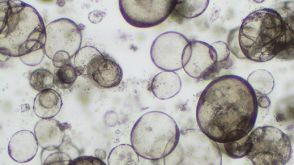 实验方案Forskolin-Induced Swelling of Airway Organoids Derived from Healthy and Cystic Fibrosis Donors

 沪公网安备31010102008431号