Dioum EM et al. ( 2011)
Proceedings of the National Academy of Sciences of the United States of America 108 51 20713--20718
A small molecule differentiation inducer increases insulin production by pancreatic β cells.
New drugs for preserving and restoring pancreatic β-cell function are critically needed for the worldwide epidemic of type 2 diabetes and the cure for type 1 diabetes. We previously identified a family of neurogenic 3,5-disubstituted isoxazoles (Isx) that increased expression of neurogenic differentiation 1 (NeuroD1,also known as BETA2); this transcription factor functions in neuronal and pancreatic β-cell differentiation and is essential for insulin gene transcription. Here,we probed effects of Isx on human cadaveric islets and MIN6 pancreatic β cells. Isx increased the expression and secretion of insulin in islets that made little insulin after prolonged ex vivo culture and increased expression of neurogenic differentiation 1 and other regulators of islet differentiation and insulin gene transcription. Within the first few hours of exposure,Isx caused biphasic activation of ERK1/2 and increased bulk histone acetylation. Although there was little effect on histone deacetylase activity,Isx increased histone acetyl transferase activity in nuclear extracts. Reconstitution assays indicated that Isx increased the activity of the histone acetyl transferase p300 through an ERK1/2-dependent mechanism. In summary,we have identified a small molecule with antidiabetic activity,providing a tool for exploring islet function and a possible lead for therapeutic intervention in diabetes.
View Publication
产品类型:
产品号#:
73202
产品名:
ISX-9
Rafalski VA et al. (JUN 2013)
Nature cell biology 15 6 614--24
Expansion of oligodendrocyte progenitor cells following SIRT1 inactivation in the adult brain.
Oligodendrocytes-the myelin-forming cells of the central nervous system-can be regenerated during adulthood. In adults,new oligodendrocytes originate from oligodendrocyte progenitor cells (OPCs),but also from neural stem cells (NSCs). Although several factors supporting oligodendrocyte production have been characterized,the mechanisms underlying the generation of adult oligodendrocytes are largely unknown. Here we show that genetic inactivation of SIRT1,a protein deacetylase implicated in energy metabolism,increases the production of new OPCs in the adult mouse brain,in part by acting in NSCs. New OPCs produced following SIRT1 inactivation differentiate normally,generating fully myelinating oligodendrocytes. Remarkably,SIRT1 inactivation ameliorates remyelination and delays paralysis in mouse models of demyelinating injuries. SIRT1 inactivation leads to the upregulation of genes involved in cell metabolism and growth factor signalling,in particular PDGF receptor α (PDGFRα). Oligodendrocyte expansion following SIRT1 inactivation is mediated at least in part by AKT and p38 MAPK-signalling molecules downstream of PDGFRα. The identification of drug-targetable enzymes that regulate oligodendrocyte regeneration in adults could facilitate the development of therapies for demyelinating injuries and diseases,such as multiple sclerosis.
View Publication
产品类型:
产品号#:
73652
73654
产品名:
EX527
Y. Zhang et al. (Mar 2024)
Cancer Cell International 24
β-hydroxybutyrate inhibits malignant phenotypes of prostate cancer cells through β-hydroxybutyrylation of indoleacetamide-N-methyltransferase
Prostate cancer (PCa) is one of the most prevalent cancers in men and is associated with high mortality and disability rates. β-hydroxybutyrate (BHB),a ketone body,has received increasing attention for its role in cancer. However,its role in PCa remains unclear. This study aimed to explore the mechanism and feasibility of BHB as a treatment alternative for PCa. Colony formation assay,flow cytometry,western blot assay,and transwell assays were performed to determine the effect of BHB on the proliferation and metastasis of PCa cells. Tumor sphere formation and aldehyde dehydrogenase assays were used to identify the impact of BHB or indoleacetamide-N-methyltransferase (INMT) on the stemness of PCa cells. N6-methyladenosine (m6A)–meRIP real-time reverse transcription polymerase chain reaction and dual luciferase assays were conducted to confirm INMT upregulation via the METTL3–m6A pathway. Co-IP assay was used to detect the epigenetic modification of INMT by BHB-mediated β-hydroxybutyrylation (kbhb) and screen enzymes that regulate INMT kbhb. Mouse xenograft experiments demonstrated the antitumor effects of BHB in vivo. BHB can inhibit the proliferation,migration,and invasion of PCa cells by suppressing their stemness. Mechanistically,INMT,whose expression is upregulated by the METTL3–m6A pathway,was demonstrated to be an oncogenic gene that promotes the stem-like characteristics of PCa cells. BHB can suppress the malignant phenotypes of PCa by kbhb of INMT,which in turn inhibits INMT expression. Our findings indicate a role of BHB in PCa metabolic therapy,thereby suggesting an epigenetic therapeutic strategy to target INMT in aggressive PCa. Not applicable. The online version contains supplementary material available at 10.1186/s12935-024-03277-6.
View Publication
产品类型:
产品号#:
01700
01702
产品名:
ALDEFLUOR™ 试剂盒
ALDEFLUOR™检测缓冲液
W. Chang et al. (may 2020)
Cell stem cell 26 5 739--754.e8
Hormonal Suppression of Stem Cells Inhibits Symmetric Cell Division and Gastric Tumorigenesis.
Cancer is believed to arise from stem cells,but mechanisms that limit the acquisition of mutations and tumor development have not been well defined. We show that a +4 stem cell (SC) in the gastric antrum,marked by expression of Cck2r (a GPCR) and Delta-like ligand 1 (DLL1),is a label-retaining cell that undergoes predominant asymmetric cell division. This +4 antral SC is Notch1low/ Numb+ and repressed by signaling from gastrin-expressing endocrine (G) cells. Chemical carcinogenesis of the stomach is associated with loss of G cells,increased symmetric stem cell division,glandular fission,and more rapid stem cell lineage tracing,a process that can be suppressed by exogenous gastrin treatment. This hormonal suppression is associated with a marked reduction in gastric cancer mutational load,as revealed by exomic sequencing. Taken together,our results show that gastric tumorigenesis is associated with increased symmetric cell division that facilitates mutation and is suppressed by GPCR signaling.
View Publication
产品类型:
产品号#:
06005
产品名:
IntestiCult™ 类器官生长培养基 (小鼠)
J. F. Burgue\ no et al. ( 2019)
Frontiers in physiology 10 1484
Intestinal Epithelial Cells Respond to Chronic Inflammation and Dysbiosis by Synthesizing H2O2.
The microbes in the gastrointestinal tract are separated from the host by a single layer of intestinal epithelial cells (IECs) that plays pivotal roles in maintaining homeostasis by absorbing nutrients and providing a physical and immunological barrier to potential pathogens. Preservation of homeostasis requires the crosstalk between the epithelium and the microbial environment. One epithelial-driven innate immune mechanism that participates in host-microbe communication involves the release of reactive oxygen species (ROS),such as hydrogen peroxide (H2O2),toward the lumen. Phagocytes produce high amounts of ROS which is critical for microbicidal functions; the functional contribution of epithelial ROS,however,has been hindered by the lack of methodologies to reliably quantify extracellular release of ROS. Here,we used a modified Amplex Red assay to investigate the inflammatory and microbial regulation of IEC-generated H2O2 and the potential role of Duox2,a NADPH oxidase that is an important source of H2O2. We found that colonoids respond to interferon-$\gamma$ and flagellin by enhancing production of H2O2 in a Duox2-mediated fashion. To extend these findings,we analyzed ex vivo production of H2O2 by IECs after acute and chronic inflammation,as well as after exposure to dysbiotic microbiota. While acute inflammation did not induce a significant increase in epithelial-driven H2O2,chronic inflammation caused IECs to release higher levels of H2O2. Furthermore,colonization of germ-free mice with dysbiotic microbiota from mice or patients with IBD resulted in increased H2O2 production compared with healthy controls. Collectively,these data suggest that IECs are capable of H2O2 production during chronic inflammation and dysbiotic states. Our results provide insight into luminal production of H2O2 by IECs as a read-out of innate defense by the mucosa.
View Publication
产品类型:
产品号#:
05412
产品名:
MesenCult™ 脂肪分化试剂盒 (人)
(Apr 2024)
Fluids and Barriers of the CNS 21
C9ORF72 patient-derived endothelial cells drive blood-brain barrier disruption and contribute to neurotoxicity
The blood-brain barrier (BBB) serves as a highly intricate and dynamic interface connecting the brain and the bloodstream,playing a vital role in maintaining brain homeostasis. BBB dysfunction has been associated with multiple neurodegenerative diseases,including amyotrophic lateral sclerosis (ALS); however,the role of the BBB in neurodegeneration is understudied. We developed an ALS patient-derived model of the BBB by using cells derived from 5 patient donors carrying C9ORF72 mutations. Brain microvascular endothelial-like cells (BMEC-like cells) derived from C9ORF72-ALS patients showed altered gene expression,compromised barrier integrity,and increased P-glycoprotein transporter activity. In addition,mitochondrial metabolic tests demonstrated that C9ORF72-ALS BMECs display a significant decrease in basal glycolysis accompanied by increased basal and ATP-linked respiration. Moreover,our study reveals that C9-ALS derived astrocytes can further affect BMECs function and affect the expression of the glucose transporter Glut-1. Finally,C9ORF72 patient-derived BMECs form leaky barriers through a cell-autonomous mechanism and have neurotoxic properties towards motor neurons.Graphical Abstract Supplementary InformationThe online version contains supplementary material available at 10.1186/s12987-024-00528-6.
View Publication
产品类型:
产品号#:
100-0276
100-1130
05990
05946
产品名:
mTeSR™ Plus
mTeSR™ Plus
用于hESC/hiPSC维持培养的TeSR™-E8™
TeSR™-E6
(Feb 2025)
Stem Cell Research & Therapy 16 11
Retinal ganglion cells induce stem cell-derived neuroprotection via IL-12 to SCGF-? crosstalk
BackgroundStem cell-derived secreted factors could protect neurons in neurodegenerative disease or after injury. The exact neuroprotective components in the secretome remain challenging to discover. Here we developed a cell-to-cell interaction model to identify a retinal ganglion cell (RGC)-protective factor derived from induced pluripotent stem cells (iPSCs).MethodsPrimary RGCs were co-cultured with iPSCs or treated with iPSC-conditioned media in vitro. Cell viability were assayed using live-cell staining,and culture supernatant were analyzed via multiplexed antibody-based assays and ELISA. In vivo tests were carried out under mouse optic nerve crush model and RGC transplantation study in rats. Paired t-tests were used for data analysis between two groups.ResultsRGC viability was significantly enhanced when iPSCs were first stimulated with RGC-derived supernatant before iPSC-conditioned medium was collected and added into RGC culture. A significant increase of stem cell growth factor-beta (SCGF-?) concentration was detected in the latter conditioned medium. SCGF-? enhanced RGC survival in vitro and in vivo,and RGC-derived interleukin-12(p70) (IL-12[p70]) promotes secretion of iPSC-derived SCGF-?. Downstream of this IL-12(p70)-to-SCGF-? axis,ngn2 was significantly upregulated,and was found both necessary and sufficient for RGC survival.ConclusionThis study addresses a longstanding question of how neurons and stem cells interact to promote neuroprotection,and define a novel molecular interaction pathway whereby RGC’s secretion of IL-12(p70) enhances iPSCs’ secretion of SCGF-?,and SCGF-? protects RGCs via upregulating ngn2,suggesting that neurons may call on stem cells for their own protection.Supplementary InformationThe online version contains supplementary material available at 10.1186/s13287-025-04198-5.
View Publication
Metabolic requirements of CD160 expressing memory‐like NK cells in Gram‐negative bacterial infection
AbstractObjectiveUnique metabolic requirements accompany the development and functional fates of immune cells. How cellular metabolism is important in natural killer (NK) cells and their memory‐like differentiation in bacterial infections remains elusive.MethodsHere,we utilise our established NK cell memory assay to investigate the metabolic requirement for memory‐like NK cell formation and function in response to the Gram‐negative intracellular bacteria Burkholderia pseudomallei (BP),the causative agent of melioidosis.ResultsWe demonstrate that CD160+ memory‐like NK cells upon BP stimulation upregulate glucose and amino acid transporters in a cohort of recovered melioidosis patients which is maintained at least 3‐month post‐hospital admission. Using an in vitro assay,human BP‐specific CD160+ memory‐like NK cells show metabolic priming including increased expression of glucose and amino acid transporters with elevated glucose uptake,increased mTOR activation and mitochondrial membrane potential upon BP re‐stimulation. Antigen‐specific and cytokine‐induced IFN‐γ production of this memory‐like NK cell subset are highly dependent on oxidative phosphorylation (OXPHOS) with some dependency on glycolysis,whereas the formation of CD160+ memory‐like NK cells in vitro is dependent on fatty acid oxidation and OXPHOS and further increased by metformin.ConclusionThis study reveals the link between metabolism and cellular function of memory‐like NK cells,which can be exploited for vaccine design and for monitoring protection against Gram‐negative bacterial infection. This study reveals the link between metabolism and cellular function of memory‐like NK cells in melioidosis. We demonstrate that CD160+ memory‐like NK cells upon Burkholderia pseudomallei (BP) stimulation upregulate glucose and amino acid transporters in a cohort of recovered melioidosis patients. Using an in vitro assay,human BP‐specific CD160+ memory‐like NK cells show metabolic priming including increased expression of glucose and amino acid transporters with elevated glucose uptake,increased mTOR activation and mitochondrial membrane potential upon BP re‐stimulation.
View Publication
产品类型:
产品号#:
19055
18000
19055RF
产品名:
EasySep™人NK细胞富集试剂盒
EasySep™磁极
RoboSep™ 人NK细胞富集试剂盒含滤芯吸头
A. E. Herzog et al. (Nov 2025)
Translational Oncology 63 3
Bmi-1 inhibition sensitizes head and neck cancer stem cells to cytotoxic chemotherapy
Cancer stem cells (CSC) drive therapeutic resistance and recurrence in head and neck squamous cell carcinoma (HNSCC). We and others have shown that treatment with cytotoxic chemotherapy agents (e.g. Cisplatin,Carboplatin) induce Bmi-1 expression and increase the fraction of highly tumorigenic CSC in HNSCC. Notably,Bmi-1 is a master regulator of stem cell self-renewal and DNA repair. The purpose of this work was to test whether therapeutic inhibition of Bmi-1 sensitizes HNSCC cancer stem cells to chemotherapy. HNSCC cells (UM-SCC-1,-22A,-22B) were treated with Cisplatin or Carboplatin and subjected to stemness analyses to evaluate the impact of Bmi-1 on chemoresistance. We observed that both,shRNA-mediated Bmi-1 silencing or pharmacologic inhibition of Bmi-1 with the small molecule inhibitor PTC596,blocked chemotherapy-induced cancer stemness (i.e. increase in the fraction of ALDHhighCD44high cells),CSC self-renewal (i.e. orosphere formation) and inhibited protective DNA damage responses in HNSCC. Further,it is known that high IL-6 serum levels correlate with poor HNSCC patient survival,and that platinum-based therapies induce IL-6 signaling. Here,we observed that Bmi-1 silencing (or PTC596 treatment) inhibited the IL-6R/STAT3 signaling pathway even in presence of platinum-based cytotoxic agents (i.e. Cisplatin,Carboplatin). In vivo,Bmi-1 inhibition with PTC596 suppressed Cisplatin-mediated increase in the fraction of ALDHhighCD44high cells (cancer stemness). Collectively,these preclinical results demonstrate that Bmi-1 is a key mediator of head and neck cancer stemness and suggest that HNSCC patients might benefit from treatment with a Bmi-1 inhibitor combined with a conventional chemotherapeutic agent.
View Publication
产品类型:
产品号#:
01700
产品名:
ALDEFLUOR™ 试剂盒
Y. Dieudonn\'e et al. (may 2019)
Journal of autoimmunity
Transitional B cells in quiescent SLE: An early checkpoint imprinted by IFN.
Systemic lupus (SLE) is characterized by a break of B cell tolerance that plays a central role in disease pathophysiology. An early checkpoint defect occurs at the transitional stage leading to the survival of autoreactive B cells and consequently the production of pathogenic autoantibodies. The main purpose of our work was to determine whether transitional B cells,as the most immature na{\{i}}ve B cell subset upstream of pathogenic B cells display specific features compared to healthy non SLE subjects. Through extensive analysis of transitional B cells from untreated or low treated mostly Caucasian SLE patients we demonstrated that transitional (T1 and T2) B cell frequencies were increased in SLE and positively correlated with disease activity. SLE transitional B cells displayed defects in two closely inter-related molecules (i.e. TLR9 defective responses and CD19 downregulation). RNA sequencing of sorted transitional B cells from untreated patients revealed a predominant overexpression of interferon stimulated genes (ISGs) even out of flares. In addition early transitional B cells from the bone marrow displayed the highest interferon score reflecting a B cell interferon burden of central origin. Hence the IFN signature in transitional B cells is not confined to African American SLE patients and exists in quiescent disease since the medullary stage. These results suggest that in SLE these 3 factors (i.e. IFN imprintment CD19 downregulation and TLR9 responses impairment) could take part at the early transitional B cell stage in B cell tolerance by-pass ultimately leading in periphery to the expansion of autoantibodies-secreting cells."
View Publication


 EasySep™小鼠TIL(CD45)正选试剂盒





 27:57
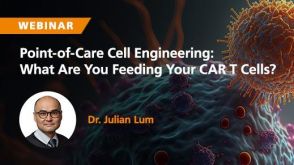
线上讲座Advances in Point-of-Care Cell Engineering—What Are You Feeding Your CAR T Cells?发布日期: 08/27/2024
27:57
线上讲座Advances in Point-of-Care Cell Engineering—What Are You Feeding Your CAR T Cells?发布日期: 08/27/2024

 沪公网安备31010102008431号