X. Liu et al. ( 2017)
International journal of biological sciences 13 2 232--244
Exosomes Secreted from Human-Induced Pluripotent Stem Cell-Derived Mesenchymal Stem Cells Prevent Osteonecrosis of the Femoral Head by Promoting Angiogenesis.
Background: Local ischemia is the main pathological performance in osteonecrosis of the femoral head (ONFH). There is currently no effective therapy to promote angiogenesis in the femoral head. Recent studies revealed that exosomes secreted by induced pluripotent stem cell-derived mesenchymal stem cells (iPS-MSC-Exos) have great therapeutic potential in ischemic tissues,but whether they could promote angiogenesis in ONFH has not been reported,and little is known regarding the underlying mechanism. Methods: iPS-MSC-Exos were intravenously injected to a steroid-induced rat osteonecrosis model. Samples of the femoral head were obtained 3 weeks after all the injections. The effects were assessed by measuring local angiogenesis and bone loss through histological and immunohistochemical (IHC) staining,micro-CT and three-dimensional microangiography. The effects of exosomes on endothelial cells were studied through evaluations of proliferation,migration and tube-forming analyses. The expression levels of angiogenic related PI3K/Akt signaling pathway of endothelial cells were evaluated following stimulation of iPS-MSC-Exos. The promoting effects of exosomes were re-evaluated following blockade of PI3K/Akt. Results: The in vivo study revealed that administration of iPS-MSC-Exos significantly prevented bone loss,and increased microvessel density in the femoral head compared with control group. We found that iPS-MSC-Exos significantly enhanced the proliferation,migration and tube-forming capacities of endothelial cells in vitro. iPS-MSC-Exos could activate PI3K/Akt signaling pathway in endothelial cells. Moreover,the promoting effects of iPS-MSC-Exos were abolished after blockade of PI3K/Akt on endothelial cells. Conclusions: Our findings suggest that transplantation of iPS-MSC-Exos exerts a preventative effect on ONFH by promoting local angiogenesis and preventing bone loss. The promoting effect might be attributed to activation of the PI3K/Akt signaling pathway on endothelial cells. The data provide the first evidence for the potential of iPS-MSC-Exos in treating ONFH.
View Publication
产品类型:
产品号#:
85850
85857
85870
85875
05835
05839
产品名:
mTeSR™1
mTeSR™1
STEMdiff™ 神经诱导培养基
STEMdiff™ 神经诱导培养基
D. G. Gonzalez et al. (NOV 2018)
Journal of immunology (Baltimore,Md. : 1950)
Nonredundant Roles of IL-21 and IL-4 in the Phased Initiation of Germinal Center B Cells and Subsequent Self-Renewal Transitions.
We examined the unique contributions of the cytokines IL-21 and IL-4 on germinal center (GC) B cell initiation and subsequent maturation in a murine model system. Similar to other reports,we found T follicular helper cell expression of IL-21 begins prior to T follicular helper cell migration into the B cell follicle and precedes that of IL-4. Consistent with this timing,IL-21 signaling has a greater influence on the perifollicular pre-GC B cell transition to the intrafollicular stage. Notably,Bcl6hi B cells can form in the combined absence of IL-21R- and STAT6-derived signals; however,these nascent GC B cells cease to proliferate and are more prone to apoptosis. When B cells lack either IL-21R or STAT6,aberrant GCs form atypical centroblasts and centrocytes that differ in their phenotypic maturation and costimulatory molecule expression. Thus,IL-4 and IL-21 play nonredundant roles in the phased progression of GC B cell development that can initiate in the combined absence of these cytokine signals.
View Publication
产品类型:
产品号#:
19054
19054RF
19852
19852RF
产品名:
EasySep™人B细胞富集试剂盒
RoboSep™ 人B细胞富集试剂盒含滤芯吸头
EasySep™小鼠CD4+ T细胞分选试剂盒
RoboSep™ 小鼠CD4+ T细胞分选试剂盒
Z. Wang et al. (nov 2022)
Laboratory investigation; a journal of technical methods and pathology 102 11 1268--1279
The N6-methyladenosine writer WTAP contributes to the induction of immune tolerance post kidney transplantation by targeting regulatory T cells.
N6-methyladenosine (m6A) modification is involved in diverse immunoregulation,while the relationship between m6A modification and immune tolerance post kidney transplantation remains unclear. Expression of Wilms tumor 1-associating protein (WTAP),an m6A writer,was firstly detected in tolerant kidney transplant recipients (TOL). Then the role of WTAP on regulatory T (Treg) cell differentiation and function in CD4+ T cells from kidney transplant recipients with immune rejection (IR) was investigated. The potential target of WTAP and effect of WTAP on immune tolerance in vivo were subsequently verified. WTAP was upregulated in CD4+ T cells of TOL and positively correlated with Treg cell proportion. In vitro,WTAP overexpression promoted Treg cell differentiation and enhanced Treg cell-mediated suppression toward na?ve T cells. Forkhead box other 1 (Foxo1) was identified as a target of WTAP. WTAP enhanced m6A modification of Foxo1 mRNA in coding sequence (CDS) region,leading to up-regulation of Foxo1. Overexpression of m6A demethylase removed the effect of WTAP overexpression,while Foxo1 overexpression reversed these effects. WTAP overexpression alleviated allograft rejection in model mice,as evidenced by reduced inflammatory response and increased Treg population. Our study suggests that WTAP plays a positive role in induction of immune tolerance post kidney transplant by promoting Treg cell differentiation and function. leading to up-regulation of Foxo1. Overexpression of m6A demethylase removed the effect of WTAP overexpression while Foxo1 overexpression reversed these effects. WTAP overexpression alleviated allograft rejection in model mice as evidenced by reduced inflammatory response and increased Treg population. Our study suggests that WTAP plays a positive role in induction of immune tolerance post kidney transplant by promoting Treg cell differentiation and function."
View Publication
产品类型:
产品号#:
19555
19555RF
产品名:
EasySep™人Naïve CD4+ T细胞分选试剂盒
RoboSep™ 人Naïve CD4+ T细胞分选试剂盒
(Nov 2024)
Viruses 16 11
Differential Replication and Oncolytic Effects of Zika Virus in Aggressive CNS Tumor Cells: Insights from Organoid and Tumoroid Models
Central nervous system (CNS) cancers are responsible for high rates of morbidity and mortality worldwide. Malignant CNS tumors such as adult Glioblastoma (GBM) and pediatric embryonal CNS tumors such as medulloblastoma (MED) and atypical teratoid rhabdoid tumors (ATRT) present relevant therapeutic challenges due to the lack of response to classic treatment regimens with radio and chemotherapy. Recent findings on the Zika virus’ (ZIKV) ability to infect and kill CNS neoplastic cells draw attention to the virus’ oncolytic potential. Studies demonstrating the safety of using ZIKV for treating malignant CNS tumors,enabling the translation of this approach to clinical trials,are scarce in the literature. Here we developed a co-culture model of mature human cerebral organoids assembled with GBM,MED or ATRT tumor cells and used these assembloids to test ZIKV oncolytic effect,replication potential and preferential targeting between normal and cancer cells. Our hybrid co-culture models allowed the tracking of tumor cell growth and invasion in cerebral organoids. ZIKV replication and ensuing accumulation in the culture medium was higher in organoids co-cultured with tumor cells than in isolated control organoids without tumor cells. ZIKV infection led to a significant reduction in tumor cell proportion in organoids with GBM and MED cells,but not with ATRT. Tumoroids (3D cultures of tumor cells alone) were efficiently infected by ZIKV. Interestingly,ZIKV rapidly replicated in GBM,MED,and ATRT tumoroids reaching significantly higher viral RNA accumulation levels than co-cultures. Moreover,ZIKV infection reduced viable cells number in MED and ATRT tumoroids but not in GBM tumoroids. Altogether,our findings indicate that ZIKV has greater replication rates in aggressive CNS tumor cells than in normal human cells comprising cerebral organoids. However,such higher ZIKV replication in tumor cells does not necessarily parallels oncolytic effects,suggesting cellular intrinsic and extrinsic factors mediating tumor cell death by ZIKV.
View Publication
产品类型:
产品号#:
85850
85857
产品名:
mTeSR™1
mTeSR™1
(Sep 2024)
eBioMedicine 108 3
Global and single-cell proteomics view of the co-evolution between neural progenitors and breast cancer cells in a co-culture model
SummaryBackgroundPresence of nerves in tumours,by axonogenesis and neurogenesis,is gaining increased attention for its impact on cancer initiation and development,and the new field of cancer neuroscience is emerging. A recent study in prostate cancer suggested that the tumour microenvironment may influence cancer progression by recruitment of Doublecortin (DCX)-expressing neural progenitor cells (NPCs). However,the presence of such cells in human breast tumours has not been comprehensively explored.MethodsHere,we investigate the presence of DCX-expressing cells in breast cancer stromal tissue from patients using Imaging Mass Cytometry. Single-cell analysis of 372,468 cells across histopathological images of 107 breast cancers enabled spatial resolution of neural elements in the stromal compartment in correlation with clinicopathological features of these tumours. In parallel,we established a 3D in vitro model mimicking breast cancer neural progenitor-innervation and examined the two cell types as they co-evolved in co-culture by using mass spectrometry-based global proteomics.FindingsStromal presence of DCX + cells is associated with tumours of higher histological grade,a basal-like phenotype,and shorter patient survival in tumour tissue from patients with breast cancer. Global proteomics analysis revealed significant changes in the proteomic landscape of both breast cancer cells and neural progenitors in co-culture.InterpretationThese results support that neural involvement plays an active role in breast cancer and warrants further studies on the relevance of nerve elements for tumour progression.FundingThis work was supported by the 10.13039/501100005416Research Council of Norway through its Centre of Excellence funding scheme,project number 223250 (to L.A.A),the 10.13039/100008730Norwegian Cancer Society (to L.A.A. and H.V.),the Regional Health Trust Western Norway (Helse Vest) (to L.A.A.),the 10.13039/501100008728Meltzer Research Fund (to H.V.) and the 10.13039/100000002National Institutes of Health (NIH)/10.13039/100000057NIGMS grant R01 GM132129 (to J.A.P.).
View Publication
产品类型:
产品号#:
85850
85857
产品名:
mTeSR™1
mTeSR™1
(Mar 2025)
bioRxiv 19
Dependence of cell fate potential and cadherin switching on primitive streak coordinate during differentiation of human pluripotent stem cells
During gastrulation,the primitive streak (PS) forms and begins to differentiate into mesendodermal subtypes. This process involves an epithelial-mesenchymal transition (EMT),which is marked by cadherin switching,where E-Cadherin is downregulated,and N-Cadherin is upregulated. To understand the relationships between differentiation,EMT,and cadherin switching,we made measurements of these processes during differentiation of human pluripotent stem cells (hPSCs) to PS and subsequently to mesendoderm subtypes using established protocols,as well as variants in which signaling through key pathways including Activin,BMP,and Wnt were modulated. We found that perturbing signaling so that cells acquired identities ranging from anterior to posterior PS had little impact on the subsequent differentiation potential of cells but strongly impacted the degree of cadherin switching. The degree of E-Cadherin downregulation and N-Cadherin upregulation were uncorrelated and had different dependence on signaling. The exception to the broad potential of cells throughout the PS was the loss of definitive endoderm potential in cells with mid to posterior PS identities. Thus,cells induced to different PS coordinates had similar potential within the mesoderm but differed in cadherin switching. Consistently,E-Cadherin knockout did not alter cell fates outcomes during differentiation. Overall,cadherin switching and EMT are modulated independently of cell fate commitment in mesendodermal differentiation.
View Publication
产品类型:
产品号#:
100-0276
100-1130
85850
85857
产品名:
mTeSR™ Plus
mTeSR™ Plus
mTeSR™1
mTeSR™1
Y. Gu et al. (May 2025)
Clinical and Experimental Medicine 25 1
Study on the impact of CD4 + T cells and their subsets on relapse in AML patients during remission
This study investigates the impact of minimal residual disease (MRD) on relapse in patients with acute myeloid leukemia (AML),focusing on its interaction with immune cells function. A total of 49 AML patients were enrolled in this prospective study and categorized into four groups: MRD − positive with relapse,MRD − positive without relapse,MRD − negative with relapse,and MRD − negative without relapse. Peripheral blood T lymphocyte subpopulations were analyzed using ten-color flow cytometry. CD4 + T cells were co-cultured with leukemia cell lines to assess the impact of CD4 + T cells on leukemia cell proliferation,apoptosis,and cytokine release. In MRD − positive patients,relapsed individuals exhibited significantly higher levels of CD4 + T cells,regulatory T (Treg) cells,and CD4 + CD45RA + naïve T cells compared to non-relapsed patients ( P < 0.0001,P = 0.0016,and P = 0.0066,respectively). Conversely,in MRD − negative patients,relapsed individuals showed a significantly lower percentage of Treg cells ( P = 0.0068). Furthermore,we observed that CD4 + T cells were associated with enhanced leukemia cell proliferation and reduced apoptosis,along with markedly increased IL-10 expression. The available data raise the possibility that CD4 + T cell-derived IL-10 participates in immune microenvironment regulation,a process that may have implications for MRD maintenance and disease recurrence in AML.
View Publication
产品类型:
产品号#:
100-0956
10981
产品名:
ImmunoCult™ XF培养基
ImmunoCult™ XF 人T细胞扩增培养基,500 mL
J. Taelman et al. ( 2019)
Stem Cells and Development 28 9 579--592
WNT inhibition and increased FGF signaling promotes derivation of less heterogeneous primed human embryonic stem cells, compatible with differentiation
Human embryonic stem cells (hESCs) hold great value for future clinical applications. However,standard culture conditions maintain hESCs in a primed state,which bears heterogeneity in pluripotency and a tendency for spontaneous differentiation. To counter these drawbacks,primed hESCs have been converted to a naive state,but this has restricted the efficiency of existing directed differentiation protocols. In mouse,WNT inhibition by inhibitor of WNT production-2,together with a higher dose of fibroblast growth factor 2 (12 ng/mL) in DMEM/F12 basal medium (DhiFI),markedly improved derivation and maintenance of primed mouse epiblast stem cells. In this study,we show that DhiFI conditions similarly improved primed hESC traits,such as conferring a primed transcriptional signature with high levels of pluripotency markers and reduced levels of differentiation markers. When triggered to differentiate to neuronal and cardiac lineages,DhiFI hESCs and isogenic primed hESCs progressed similarly. Moreover,DhiFI conditions supported the derivation of hESC lines from a post-inner cell mass intermediate (PICMI). DhiFI-derived hESCs showed less spontaneous differentiation and expressed significantly lower levels of lineage-specific markers,compared to primed-derived lines from the same PICMI. Overall,DhiFI hESCs retained advantages of both primed and naive pluripotency and may ultimately represent a more favorable starting point for differentiation toward clinically desired cell types.
View Publication
产品类型:
产品号#:
77003
77004
200-0117
产品名:
CellAdhere™ Laminin-521
CellAdhere™ Laminin-521
M. Angin et al. (jul 2019)
Nature metabolism 1 7 704--716
Metabolic plasticity of HIV-specific CD8+ T cells is associated with enhanced antiviral potential and natural control of HIV-1 infection.
Spontaneous control of human immunodeficiency virus (HIV) is generally associated with an enhanced capacity of CD8+ T cells to eliminate infected CD4+ T cells,but the molecular characteristics of these highly functional CD8+ T cells are largely unknown. In the present study,using single-cell analysis,it was shown that HIV-specific,central memory CD8+ T cells from spontaneous HIV controllers (HICs) and antiretrovirally treated non-controllers have opposing transcriptomic profiles. Genes linked to effector functions and survival are upregulated in cells from HICs. In contrast,genes associated with activation,exhaustion and glycolysis are upregulated in cells from non-controllers. It was shown that HIV-specific CD8+ T cells from non-controllers are largely glucose dependent,whereas those from HICs have more diverse metabolic resources that enhance both their survival potential and their capacity to develop anti-HIV effector functions. The functional efficiency of the HIV-specific CD8+ T cell response in HICs is thus engraved in their memory population and related to their metabolic programme. Metabolic reprogramming in vitro through interleukin-15 treatment abrogated the glucose dependency and enhanced the antiviral potency of HIV-specific CD8+ T cells from non-controllers.
View Publication
产品类型:
产品号#:
17852
17953
18809
19809
20155
21000
17852RF
100-0693
17953RF
100-0710
18809RF
19809RF
产品名:
EasySep™人CD4正选试剂盒II
EasySep™人CD8+ T细胞分选试剂盒
EasySep™非人类灵长类自定义阳性选择试剂盒
EasySep™非人灵长类细胞定制富集试剂盒
RoboSep™分选管套装(9个塑料管)
RoboSep™- S
RoboSep™ 人CD4正选试剂盒II
EasySep™人CD4正选试剂盒II
RoboSep™ 人CD8+ T细胞分选试剂盒
EasySep™人CD8+ T细胞分选试剂盒
RoboSep™ 非人灵长类定制正选试剂盒含滤芯吸头
RoboSep™ 非人灵长类细胞定制富集试剂盒含滤芯吸头
S-M. Gallert et al. (Oct 2025)
Cells 14 21
Proteomics of Duchenne Muscular Dystrophy Patient iPSC-Derived Skeletal Muscle Cells Reveal Differential Expression of Cytoskeletal and Extracellular Matrix Proteins
Proteomics of dystrophic muscle samples is limited by the amount of protein that can be extracted from patient biopsies. Cells and tissues derived from patient-derived induced pluripotent stem cells (iPSCs) can be an expandable alternative source. We have patterned iPSCs from three Duchenne muscular dystrophy (DMD) patient lines into skeletal muscle cells using a two-dimensional as well as our three-dimensional organoid differentiation system. Probes with sufficient protein amounts could be extracted and prepared for mass spectrometry. In total,3007 proteins in 2D and 2709 proteins in 3D were detected in DMD patient probes. A total of 83 proteins in 2D and 338 proteins in 3D can be described as differentially expressed between DMD and control patient probes in a post hoc test. We have identified and we propose Myosin-9,Collagen 18A,Tropomyosin 1,BASP1,RUVBL1,and NCAM1 as proteins specifically altered in their expression in DMD for further investigation. Proteomics of skeletal muscle organoids resulted in greater consistency of results between cell lines in comparison to the two-dimensional myogenic differentiation protocol.
View Publication
产品类型:
产品号#:
05990
产品名:
用于hESC/hiPSC维持培养的TeSR™-E8™
Law JH et al. (JAN 2010)
PloS one 5 9
Molecular decoy to the Y-box binding protein-1 suppresses the growth of breast and prostate cancer cells whilst sparing normal cell viability.
The Y-box binding protein-1 (YB-1) is an oncogenic transcription/translation factor that is activated by phosphorylation at S102 whereby it induces the expression of growth promoting genes such as EGFR and HER-2. We recently illustrated by an in vitro kinase assay that a novel peptide to YB-1 was highly phosphorylated by the serine/threonine p90 S6 kinases RSK-1 and RSK-2,and to a lesser degree PKCα and AKT. Herein,we sought to develop this decoy cell permeable peptide (CPP) as a cancer therapeutic. This 9-mer was designed as an interference peptide that would prevent endogenous YB-1(S102) phosphorylation based on molecular docking. In cancer cells,the CPP blocked P-YB-1(S102) and down-regulated both HER-2 and EGFR transcript level and protein expression. Further,the CPP prevented YB-1 from binding to the EGFR promoter in a gel shift assay. Notably,the growth of breast (SUM149,MDA-MB-453,AU565) and prostate (PC3,LNCap) cancer cells was inhibited by ∼90% with the CPP. Further,treatment with this peptide enhanced sensitivity and overcame resistance to trastuzumab in cells expressing amplified HER-2. By contrast,the CPP had no inhibitory effect on the growth of normal immortalized breast epithelial (184htert) cells,primary breast epithelial cells,nor did it inhibit differentiation of hematopoietic progenitors. These data collectively suggest that the CPP is a novel approach to suppressing the growth of cancer cells while sparing normal cells and thereby establishes a proof-of-concept that blocking YB-1 activation is a new course of cancer therapeutics.
View Publication


 EasySep™小鼠TIL(CD45)正选试剂盒





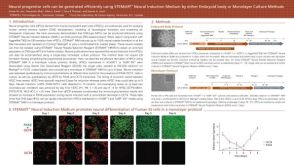 科学海报Neural Progenitor Cells can be Generated Efficiently Using STEMdiff™ Neural Induction Medium By Either Embryoid Body or Monolayer Culture Methods
 沪公网安备31010102008431号