Guzman ML et al. (AUG 2014)
Molecular cancer therapeutics 13 8 1979--90
Selective activity of the histone deacetylase inhibitor AR-42 against leukemia stem cells: a novel potential strategy in acute myelogenous leukemia.
Most patients with acute myelogenous leukemia (AML) relapse and die of their disease. Increasing evidence indicates that AML relapse is driven by the inability to eradicate leukemia stem cells (LSC). Thus,it is imperative to identify novel therapies that can ablate LSCs. Using an in silico gene expression-based screen for compounds evoking transcriptional effects similar to the previously described anti-LSC agent parthenolide,we identified AR-42 (OSU-HDAC42),a novel histone deacetylase inhibitor that is structurally similar to phenylbutyrate,but with improved activity at submicromolar concentrations. Here,we report that AR-42 induces NF-κB inhibition,disrupts the ability of Hsp90 to stabilize its oncogenic clients,and causes potent and specific cell death of LSCs but not normal hematopoietic stem and progenitor cells. Unlike parthenolide,the caspase-dependent apoptosis caused by AR-42 occurs without activation of Nrf-2-driven cytoprotective pathways. As AR-42 is already being tested in early clinical trials,we expect that our results can be extended to the clinic.
View Publication
产品类型:
产品号#:
07930
07931
07940
07955
07956
07959
07954
100-1061
07952
产品名:
CryoStor® CS10
CryoStor® CS10
CryoStor® CS10
CryoStor® CS10
CryoStor® CS10
CryoStor® CS10
CryoStor® CS10
Jung J-H et al. (APR 2015)
Stem cells and development 24 8 948--61
CXCR2 and its related ligands play a novel role in supporting the pluripotency and proliferation of human pluripotent stem cells.
Basic fibroblast growth factor (bFGF) is a crucial factor sustaining human pluripotent stem cells (hPSCs). We designed this study to search the substitutive factors other than bFGF for the maintenance of hPSCs by using human placenta-derived conditioned medium without exogenous bFGF (hPCCM-),containing chemokine (C-X-C motif) receptor 2 (CXCR2) ligands,including interleukin (IL)-8 and growth-related oncogene $\$(GRO$\$),which were developed on the basis of our previous studies. First,we confirmed that IL-8 and/or GRO$\$ independent roles to preserve the phenotype of hPSCs. Then,we tried CXCR2 blockage of hPSCs in hPCCM- and verified the significant decrease of pluripotency-associated genes expression and the proliferation of hPSCs. Interestingly,CXCR2 suppression of hPSCs in mTeSR™1 containing exogenous bFGF decreased the proliferation of hPSCs while maintaining pluripotency characteristics. Lastly,we found that hPSCs proliferated robustly for more than 35 passages in hPCCM- on a gelatin substratum. Higher CXCR2 expression of hPSCs cultured in hPCCM- than those in mTeSR™1 was observable. Our findings suggest that CXCR2 and its related ligands might be novel factors comparable to bFGF supporting the characteristics of hPSCs and hPCCM- might be useful for the maintenance of hPSCs as well as for the accurate evaluation of CXCR2 role in hPSCs without the confounding influence of exogenous bFGF.
View Publication
产品类型:
产品号#:
05850
05857
05870
05875
85850
85857
85870
85875
产品名:
mTeSR™1
mTeSR™1
Chichagova V et al. ( 2016)
1353 285--307
Generation of Human Induced Pluripotent Stem Cells Using RNA-Based Sendai Virus System and Pluripotency Validation of the Resulting Cell Population.
Human induced pluripotent stem cells (hiPSCs) provide a platform for studying human disease in vitro,increase our understanding of human embryonic development,and provide clinically relevant cell types for transplantation,drug testing,and toxicology studies. Since their discovery,numerous advances have been made in order to eliminate issues such as vector integration into the host genome,low reprogramming efficiency,incomplete reprogramming and acquisition of genomic instabilities. One of the ways to achieve integration-free reprogramming is by using RNA-based Sendai virus. Here we describe a method to generate hiPSCs with Sendai virus in both feeder-free and feeder-dependent culture systems. Additionally,we illustrate methods by which to validate pluripotency of the resulting stem cell population.
View Publication
产品类型:
产品号#:
05850
05857
05870
05875
85850
85857
85870
85875
产品名:
mTeSR™1
mTeSR™1
Zhang Y et al. (MAR 2015)
Molecular cancer 14 1 56
Sp1 and c-Myc modulate drug resistance of leukemia stem cells by regulating survivin expression through the ERK-MSK MAPK signaling pathway.
BACKGROUND Acute myeloid leukemia (AML) is initiated and maintained by a subset of self-renewing leukemia stem cells (LSCs),which contribute to the progression,recurrence and therapeutic resistance of leukemia. However,the mechanisms underlying the maintenance of LSCs drug resistance have not been fully defined. In this study,we attempted to elucidate the mechanisms of LSCs drug resistance. METHODS We performed reverse phase protein arrays to analyze the expression of anti-apoptotic proteins in the LSC-enriched leukemia cell line KG-1a. Immuno-blotting,cell viability and clinical AML samples were evaluated to verify the micro-assay results. The characteristics and transcriptional regulation of survivin were analyzed with the relative luciferase reporter assay,mutant constructs,chromatin immuno-precipitation (ChIP),quantitative real-time reverse transcription polymerase chain reaction (RT-qPCR),and western blotting. The levels of Sp1,c-Myc,phospho-extracellular signal-regulated kinase (p-ERK),phospho-mitogen and stress-activated protein kinase (p-MSK) were investigated in paired CD34+ and CD34- AML patient samples. RESULTS Survivin was highly over-expressed in CD34 + CD38- KG-1a cells and paired CD34+ AML patients compared with their differentiated counterparts. Functionally,survivin contributes to the drug resistance of LSCs,and Sp1 and c-Myc concurrently regulate levels of survivin transcription. Clinically,Sp1 and c-Myc were significantly up-regulated and positively correlated with survivin in CD34+ AML patients. Moreover,Sp1 and c-Myc were further activated by the ERK/MSK mitogen-activated protein kinase (MAPK) signaling pathway,modulating survivin levels. CONCLUSION Our findings demonstrated that ERK/MSK/Sp1/c-Myc axis functioned as a critical regulator of survivin expression in LSCs,offering a potential new therapeutic strategy for LSCs therapy.
View Publication
产品类型:
产品号#:
07930
07931
07940
07955
07956
07959
07954
100-1061
07952
产品名:
CryoStor® CS10
CryoStor® CS10
CryoStor® CS10
CryoStor® CS10
CryoStor® CS10
CryoStor® CS10
CryoStor® CS10
Cao Y et al. (MAR 2016)
Journal of Immunology 196 5 2075--84
Autoreactive T Cells from Patients with Myasthenia Gravis Are Characterized by Elevated IL-17, IFN-γ, and GM-CSF and Diminished IL-10 Production.
Myasthenia gravis (MG) is a prototypical autoimmune disease that is among the few for which the target Ag and the pathogenic autoantibodies are clearly defined. The pathology of the disease is affected by autoantibodies directed toward the acetylcholine receptor (AChR). Mature,Ag-experienced B cells rely on the action of Th cells to produce these pathogenic Abs. The phenotype of the MG Ag-reactive T cell compartment is not well defined; thus,we sought to determine whether such cells exhibit both a proinflammatory and a pathogenic phenotype. A novel T cell library assay that affords multiparameter interrogation of rare Ag-reactive CD4(+) T cells was applied. Proliferation and cytokine production in response to both AChR and control Ags were measured from 3120 T cell libraries derived from 11 MG patients and paired healthy control subjects. The frequency of CCR6(+) memory T cells from MG patients proliferating in response to AChR-derived peptides was significantly higher than that of healthy control subjects. Production of both IFN-γ and IL-17,in response to AChR,was also restricted to the CCR6(+) memory T cell compartment in the MG cohort,indicating a proinflammatory phenotype. These T cells also included an elevated expression of GM-CSF and absence of IL-10 expression,indicating a proinflammatory and pathogenic phenotype. This component of the autoimmune response in MG is of particular importance when considering the durability of MG treatment strategies that eliminate B cells,because the autoreactive T cells could renew autoimmunity in the reconstituted B cell compartment with ensuing clinical manifestations.
View Publication
产品类型:
产品号#:
17952
17952RF
100-0696
产品名:
EasySep™人CD4+ T细胞分选试剂盒
RoboSep™ 人CD4+ T细胞分选试剂盒
EasySep™人CD4+ T细胞分离试剂盒
Diekmann U et al. (APR 2015)
Journal of Tissue Engineering and Regenerative Medicine 9 4 473--479
Embryonic stem cells of the non-human primate Callithrix jacchus can be differentiated into definitive endoderm by Activin-A but not IDE-1/2
Pluripotent stem cells hold great promise for regenerative medicine,due to their unlimited self-renewal potential and the ability to differentiate into all somatic cell types. Differences between the rodent disease models and the situation in humans can be narrowed down with non-human primate models. The common marmoset monkey (Callithrix jacchus) is an interesting model for biomedical research because these animals are easy to breed,get relatively old (≤ 13 years),are small in size,are relatively cost-effective and have a high genetic proximity to the human. In particular,diseases of the liver and pancreas are interesting for cell replacement therapies but the in vitro differentiation of ESCs into the definitive endoderm germ layer is still a demanding task. Membrane-permeable,chemically defined small molecules can possibly replace recombinant growth factors used in most directed differentiation protocols. However,the potent small molecules IDE-1 and IDE-2 were not able to induce definitive endoderm-like cells when ESCs from the common marmoset were treated with these compounds,whereas the recombinant growth factor Activin A could force the differentiation into this lineage. Our results indicate that ESCs from the common marmoset are less sensitive or even insensitive to these small molecules. Thus,differences between the species of human ESCs and ESCs of this non-human primate might be a useful model to further evaluate the exact mode of action of these compounds.
View Publication
产品类型:
产品号#:
05850
05857
05870
05875
85850
85857
85870
85875
产品名:
mTeSR™1
mTeSR™1
Panova AV et al. (APR 2013)
Acta Naturae 5 17 54--61
Late Replication of the Inactive X Chromosome Is Independent of the Compactness of Chromosome Territory in Human Pluripotent Stem Cells
Dosage compensation of the X chromosomes in mammals is performed via the formation of facultative heterochromatin on extra X chromosomes in female somatic cells. Facultative heterochromatin of the inactivated X (Xi),as well as constitutive heterochromatin,replicates late during the S-phase. It is generally accepted that Xi is always more compact in the interphase nucleus. The dense chromosomal folding has been proposed to define the late replication of Xi. In contrast to mouse pluripotent stem cells (PSCs),the status of X chromosome inactivation in human PSCs may vary significantly. Fluorescence in situ hybridization with a whole X-chromosome- specific DNA probe revealed that late-replicating Xi may occupy either compact or dispersed territory in human PSCs. Thus,the late replication of the Xi does not depend on the compactness of chromosome territory in human PSCs. However,the Xi reactivation and the synchronization in the replication timing of X chromosomes upon reprogramming are necessarily accompanied by the expansion of X chromosome territory.
View Publication
产品类型:
产品号#:
05850
05857
05870
05875
85850
85857
85870
85875
产品名:
mTeSR™1
mTeSR™1
Conti L et al. (DEC 2013)
FASEB journal : official publication of the Federation of American Societies for Experimental Biology 27 12 4731--4744
The noninflammatory role of high mobility group box 1/Toll-like receptor 2 axis in the self-renewal of mammary cancer stem cells.
Cancer stem cells (CSCs) are responsible for tumor progression,metastases,resistance to therapy,and tumor recurrence. Therefore,the identification of molecules involved in CSC self-renewal is a necessary step toward more effective therapies. To this aim,through the transcription profiling of the murine ErbB2(+) tumor cell line TUBO vs. derived CSC-enriched mammospheres,Toll-like receptor 2 (TLR2) was identified as 2-fold overexpressed in CSCs,as confirmed by qPCR and cytofluorimetric analysis. TLR2 signaling inhibition impaired in vitro mammosphere generation in murine TUBO (60%) and 4T1 (30%) and human MDA-MB-231 (50%),HCC1806 (60%),and MCF7 (50%) cells. In CSC,TLR2 was activated by endogenous high-mobility-group box 1 (HMGB1),inducing I$$B$$ phosphorylation,IL-6 and TGF$$ secretion,and,consequently,STAT3 and Smad3 activation. In vivo TLR2 inhibition blocked TUBO tumor takes in 9/14 mice and induced a 2-fold reduction in lung metastases development by decreasing cell proliferation and vascularization and increasing apoptosis. Collectively,these results demonstrate that murine and human mammary CSCs express TLR2 and its ligand HMGB1; this autocrine loop plays a pivotal role in CSC self-renewal,tumorigenesis,and metastatic ability. These findings,while providing evidence against the controversial use of TLR2 agonists in antitumor therapy,lay out new paths toward the design of anticancer treatments.
View Publication
产品类型:
产品号#:
01700
01705
01702
产品名:
ALDEFLUOR™ 试剂盒
ALDEFLUOR™ DEAB试剂, 1.5 mM, 1 mL
ALDEFLUOR™检测缓冲液
J. R. Giles et al. (nov 2022)
Nature immunology 23 11 1600--1613
Shared and distinct biological circuits in effector, memory and exhausted CD8+ T cells revealed by temporal single-cell transcriptomics and epigenetics.
Na{\{i}}ve CD8+ T cells can differentiate into effector (Teff) memory (Tmem) or exhausted (Tex) T cells. These developmental pathways are associated with distinct transcriptional and epigenetic changes that endow cells with different functional capacities and therefore therapeutic potential. The molecular circuitry underlying these developmental trajectories and the extent of heterogeneity within Teff Tmem and Tex populations remain poorly understood. Here we used the lymphocytic choriomeningitis virus model of acute-resolving and chronic infection to address these gaps by applying longitudinal single-cell RNA-sequencing (scRNA-seq) and single-cell assay for transposase-accessible chromatin sequencing (scATAC-seq) analyses. These analyses uncovered new subsets including a subpopulation of Tex cells expressing natural killer cell-associated genes that is dependent on the transcription factor Zeb2 as well as multiple distinct TCF-1+ stem/progenitor-like subsets in acute and chronic infection. These data also revealed insights into the reshaping of Tex subsets following programmed death 1 (PD-1) pathway blockade and identified a key role for the cell stress regulator Btg1 in establishing the Tex population. Finally these results highlighted how the same biological circuits such as cytotoxicity or stem/progenitor pathways can be used by CD8+ T cell subsets with highly divergent underlying chromatin landscapes generated during different infections."
View Publication
产品类型:
产品号#:
19853
19853RF
产品名:
EasySep™小鼠CD8+ T细胞分选试剂盒
RoboSep™ 小鼠CD8+ T细胞分选试剂盒
(Sep 2024)
International Journal of Molecular Sciences 25 17
From iPSCs to Pancreatic ? Cells: Unveiling Molecular Pathways and Enhancements with Vitamin C and Retinoic Acid in Diabetes Research
Diabetes mellitus,a chronic and non-transmissible disease,triggers a wide range of micro- and macrovascular complications. The differentiation of pancreatic ?-like cells (P?LCs) from induced pluripotent stem cells (iPSCs) offers a promising avenue for regenerative medicine aimed at treating diabetes. Current differentiation protocols strive to emulate pancreatic embryonic development by utilizing cytokines and small molecules at specific doses to activate and inhibit distinct molecular signaling pathways,directing the differentiation of iPSCs into pancreatic ? cells. Despite significant progress and improved protocols,the full spectrum of molecular signaling pathways governing pancreatic development and the physiological characteristics of the differentiated cells are not yet fully understood. Here,we report a specific combination of cofactors and small molecules that successfully differentiate iPSCs into P?LCs. Our protocol has shown to be effective,with the resulting cells exhibiting key functional properties of pancreatic ? cells,including the expression of crucial molecular markers (pdx1,nkx6.1,ngn3) and the capability to secrete insulin in response to glucose. Furthermore,the addition of vitamin C and retinoic acid in the final stages of differentiation led to the overexpression of specific ? cell genes.
View Publication
产品类型:
产品号#:
85850
85857
产品名:
mTeSR™1
mTeSR™1
(Jul 2024)
Cancer Immunology,Immunotherapy : CII 73 9
Blockade of the TIGIT-CD155/CD112 axis enhances functionality of NK-92 but not cytokine-induced memory-like NK cells toward CD155-expressing acute myeloid leukemia
TIGIT is an alternative checkpoint receptor (CR) whose inhibition promotes Graft-versus-Leukemia effects of NK cells. Given the significant immune-permissiveness of NK cells circulating in acute myeloid leukemia (AML) patients,we asked whether adoptive transfer of activated NK cells would benefit from additional TIGIT-blockade. Hence,we characterized cytokine-induced memory-like (CIML)-NK cells and NK cell lines for the expression of inhibitory CRs. In addition,we analyzed the transcription of CR ligands in AML patients (CCLE and Beat AML 2.0 cohort) in silico and evaluated the efficacy of CR blockade using in vitro cytotoxicity assays,CD69,CD107a and IFN-γ expression. Alternative but not classical CRs were abundantly expressed on healthy donor NK cells and even further upregulated on CIML-NK cells. In line with our finding that CD155,one important TIGIT-ligand,is reliably expressed on AMLs,we show improved killing of CD155+-AML blasts by NK-92 but interestingly not CIML-NK cells in the presence of TIGIT-blockade. Additionally,our in silico data (n = 671) show that poor prognosis AML patients rather displayed a CD86low CD112/CD155high phenotype,whereas patients with a better outcome rather exhibited a CD86high CD112/CD155low phenotype. Collectively,our data evidence that the complex CR ligand expression profile on AML blasts may be one explanation for the intrinsic NK cell exhaustion observed in AML patients which might be overcome with adoptive NK-92 transfer in combination with TIGIT-blockade.Supplementary InformationThe online version contains supplementary material available at 10.1007/s00262-024-03766-7.
View Publication


 EasySep™小鼠TIL(CD45)正选试剂盒




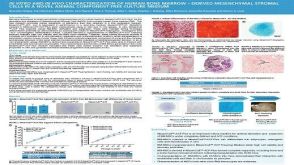 科学海报In Vitro and in Vivo Characterization of Human Bone Marrow-Derived Mesenchymal Stromal Cells in a Novel Animal Component-Free Culture Medium

 沪公网安备31010102008431号