Silva IA et al. (JUN 2011)
Cancer research 71 11 3991--4001
Aldehyde dehydrogenase in combination with CD133 defines angiogenic ovarian cancer stem cells that portend poor patient survival.
Markers that reliably identify cancer stem cells (CSC) in ovarian cancer could assist prognosis and improve strategies for therapy. CD133 is a reported marker of ovarian CSC. Aldehyde dehydrogenase (ALDH) activity is a reported CSC marker in several solid tumors,but it has not been studied in ovarian CSC. Here we report that dual positivity of CD133 and ALDH defines a compelling marker set in ovarian CSC. All human ovarian tumors and cell lines displayed ALDH activity. ALDH(+) cells isolated from ovarian cancer cell lines were chemoresistant and preferentially grew tumors,compared with ALDH(-) cells,validating ALDH as a marker of ovarian CSC in cell lines. Notably,as few as 1,000 ALDH(+) cells isolated directly from CD133(-) human ovarian tumors were sufficient to generate tumors in immunocompromised mice,whereas 50,000 ALDH(-) cells were unable to initiate tumors. Using ALDH in combination with CD133 to analyze ovarian cancer cell lines,we observed even greater growth in the ALDH(+)CD133(+) cells compared with ALDH(+)CD133(-) cells,suggesting a further enrichment of ovarian CSC in ALDH(+)CD133(+) cells. Strikingly,as few as 11 ALDH(+)CD133(+) cells isolated directly from human tumors were sufficient to initiate tumors in mice. Like other CSC,ovarian CSC exhibited increased angiogenic capacity compared with bulk tumor cells. Finally,the presence of ALDH(+)CD133(+) cells in debulked primary tumor specimens correlated with reduced disease-free and overall survival in ovarian cancer patients. Taken together,our findings define ALDH and CD133 as a functionally significant set of markers to identify ovarian CSCs.
View Publication
产品类型:
产品号#:
01700
01705
01702
产品名:
ALDEFLUOR™ 试剂盒
ALDEFLUOR™ DEAB试剂, 1.5 mM, 1 mL
ALDEFLUOR™检测缓冲液
Zhang Z and Alexanian AR (MAY 2014)
Journal of tissue engineering and regenerative medicine 8 5 407--413
The neural plasticity of early-passage human bone marrow-derived mesenchymal stem cells and their modulation with chromatin-modifying agents.
Mesenchymal stem cells (MSCs) in their immature state express a variety of genes of the three germ layers at relatively low or moderate levels that might explain their phenomenal plasticity. Numerous recent studies have demonstrated that under the appropriate conditions in vitro and in vivo the expression of different sets of these genes can be upregulated,turning MSCs into variety of cell lineages of mesodermal,ectodermal and endodermal origin. While transdifferentiation of MSCs is still controversial,these unique properties make MSCs an ideal autologous source of easily reprogrammable cells. Recently,using the approach of cell reprogramming by biological active compounds that interfere with chromatin structure and function,as well as with specific signalling pathways that promote neural fate commitment,we have been able to generate neural-like cells from human bone marrow (BM)-derived MSCs (hMSCs). However,the efficiency of neural transformation of hMSCs induced by this approach gradually declined with passaging. To elucidate the mechanisms that underlie the higher plasticity of early-passage hMSCs,comparative analysis of the expression levels of several pluripotent and neural genes was conducted for early- and late-passage hMSCs. The results demonstrated that early-passage hMSCs expressed the majority of these genes at low and moderate levels that gradually declined at late passages. Neural induction further increased the expression of some of these genes in hMSCs,accompanied by morphological changes into neural-like cells. We concluded that low and moderate expression of several pluripotent and neural genes in early-passage hMSCs could explain their higher plasticity and pliability for neural induction. Copyright textcopyright 2012 John Wiley & Sons,Ltd.
View Publication
Passaging and colony expansion of human pluripotent stem cells by enzyme-free dissociation in chemically defined culture conditions.
This protocol describes an EDTA-based passaging procedure to be used with chemically defined E8 medium that serves as a tool for basic and translational research into human pluripotent stem cells (PSCs). In this protocol,passaging one six-well or 10-cm plate of cells takes about 6-7 min. This enzyme-free protocol achieves maximum cell survival without enzyme neutralization,centrifugation or drug treatment. It also allows for higher throughput,requires minimal material and limits contamination. Here we describe how to produce a consistent E8 medium for routine maintenance and reprogramming and how to incorporate the EDTA-based passaging procedure into human induced PSC (iPSC) derivation,colony expansion,cryopreservation and teratoma formation. This protocol has been successful in routine cell expansion,and efficient for expanding large-volume cultures or a large number of cells with preferential dissociation of PSCs. Effective for all culture stages,this procedure provides a consistent and universal approach to passaging human PSCs in E8 medium.
View Publication
产品类型:
产品号#:
05910
05940
产品名:
Krueger WH et al. (JUL 2013)
PLoS ONE 8 7 e67296
Cholesterol-Secreting and Statin-Responsive Hepatocytes from Human ES and iPS Cells to Model Hepatic Involvement in Cardiovascular Health
Hepatocytes play a central and crucial role in cholesterol and lipid homeostasis,and their proper function is of key importance for cardiovascular health. In particular,hepatocytes (especially periportal hepatocytes) endogenously synthesize large amounts of cholesterol and secrete it into circulating blood via apolipoprotein particles. Cholesterol-secreting hepatocytes are also the clinically-relevant cells targeted by statin treatment in vivo. The study of cholesterol homeostasis is largely restricted to the use of animal models and immortalized cell lines that do not recapitulate those key aspects of normal human hepatocyte function that result from genetic variation of individuals within a population. Hepatocyte-like cells (HLCs) derived from human embryonic and induced pluripotent stem cells can provide a cell culture model for the study of cholesterol homeostasis,dyslipidemias,the action of statins and other pharmaceuticals important for cardiovascular health. We have analyzed expression of core components for cholesterol homeostasis in untreated human iPS cells and in response to pravastatin. Here we show the production of differentiated cells resembling periportal hepatocytes from human pluripotent stem cells. These cells express a broad range of apolipoproteins required for secretion and elimination of serum cholesterol,actively secrete cholesterol into the medium,and respond functionally to statin treatment by reduced cholesterol secretion. Our research shows that HLCs derived from human pluripotent cells provide a robust cell culture system for the investigation of the hepatic contribution to human cholesterol homeostasis at both cellular and molecular levels. Importantly,it permits for the first time to also functionally assess the impact of genetic polymorphisms on cholesterol homeostasis. Finally,the system will also be useful for mechanistic studies of heritable dyslipidemias,drug discovery,and investigation of modes of action of cholesterol-modulatory drugs.
View Publication
产品类型:
产品号#:
05850
05857
05870
05875
85850
85857
85870
85875
产品名:
mTeSR™1
mTeSR™1
S. Conte et al. (Sep 2025)
Cells 14 17
Distinct Inflammatory Responses of hiPSC-Derived Endothelial Cells and Cardiomyocytes to Cytokines Involved in Immune Checkpoint Inhibitor-Associated Myocarditis
Inflammatory cytokines,particularly interferon-γ (IFN-γ),are markedly elevated in the peripheral blood of patients with immune checkpoint inhibitor-induced myocarditis (ICI-M). Endomyocardial biopsies from these patients also show GBP-associated inflammasome overexpression. While both factors are implicated in ICI-M pathophysiology,their interplay and cellular targets remain poorly characterized. Our aim was to elucidate how ICI-M-associated cytokines affect the viability and inflammatory responses of endothelial cells (ECs) and cardiomyocytes (CMs) using human induced pluripotent stem cell (hiPSC)-derived models. ECs and CMs were differentiated from the same hiPSC line derived from a healthy donor. Cells were exposed either to IFN-γ alone or to an inflammatory cytokine cocktail (CCL5,GZMB,IL-1β,IL-2,IL-6,IFN-γ,TNF-α). We assessed large-scale transcriptomic changes via microarray and evaluated inflammatory,apoptotic,and cell death pathways at cellular and molecular levels. hiPSC-ECs were highly sensitive to cytokine exposure,displaying significant mortality and marked transcriptomic changes in immunity- and inflammation-related pathways. In contrast,hiPSC-CM showed limited transcriptional changes and reduced susceptibility to cytokine-induced death. In both cell types,cytokine treatment upregulated key components of the inflammasome pathway,including regulators (GBP5,GBP6,P2X7,NLRC5),a core component (AIM2),and the effector GSDMD. Increased GBP5 expression and CASP-1 cleavage mirrored the findings found elsewhere in endomyocardial biopsies from ICI-M patients. This hiPSC-based model reveals a distinct cellular sensitivity to ICI-M-related inflammation,with endothelial cells showing heightened vulnerability. These results reposition endothelial dysfunction,rather than cardiomyocyte injury alone,as a central mechanism in ICI-induced myocarditis. Modulating endothelial inflammasome activation,particularly via AIM2 inhibition,could offer a novel strategy to mitigate cardiac toxicity while preserving antitumor efficacy.
View Publication
产品类型:
产品号#:
08005
85850
85857
产品名:
STEMdiff™ 内皮分化试剂盒
mTeSR™1
mTeSR™1
T. Jiang et al. (May 2024)
Frontiers in Immunology 15
Activation of TLR9 signaling suppresses the immunomodulating functions of CD55 lo fibroblastic reticular cells during bacterial peritonitis
Fibroblastic reticular cells (FRCs) are a subpopulation of stromal cells modulating the immune environments in health and disease. We have previously shown that activation of TLR9 signaling in FRC in fat-associated lymphoid clusters (FALC) regulate peritoneal immunity via suppressing immune cell recruitment and peritoneal resident macrophage (PRM) retention. However,FRCs are heterogeneous across tissues and organs. The functions of each FRC subset and the regulation of TLR9 in distinct FRC subsets are unknown. Here,we confirmed that specific deletion of TLR9 in FRC improved bacterial clearance and survival during peritoneal infection. Furthermore,using single-cell RNA sequencing,we found two subsets of FRCs (CD55 hi and CD55 lo ) in the mesenteric FALC. The CD55 hi FRCs were enriched in gene expression related to extracellular matrix formation. The CD55 lo FRCs were enriched in gene expression related to immune response. Interestingly,we found that TLR9 is dominantly expressed in the CD55 lo subset. Activation of TLR9 signaling suppressed proliferation,cytokine production,and retinoid metabolism in the CD55 lo FRC,but not CD55 hi FRC. Notably,we found that adoptive transfer of Tlr9 -/– CD55 lo FRC from mesenteric FALC more effectively improved the survival during peritonitis compared with WT-FRC or Tlr9 -/– CD55 hi FRC. Furthermore,we identified CD55 hi and CD55 lo subsets in human adipose tissue-derived FRC and confirmed the suppressive effect of TLR9 on the proliferation and cytokine production in the CD55 lo subset. Therefore,inhibition of TLR9 in the CD55 lo FRCs from adipose tissue could be a useful strategy to improve the therapeutic efficacy of FRC-based therapy for peritonitis.
View Publication
产品类型:
产品号#:
01700
01702
产品名:
ALDEFLUOR™ 试剂盒
ALDEFLUOR™检测缓冲液
K. Wang et al. (Jan 2025)
Journal for Immunotherapy of Cancer 13 1
B7-H3 CAR-T cell therapy combined with irradiation is effective in targeting bulk and radiation-resistant chordoma cancer cells
Chordoma is a slow-growing,primary malignant bone tumor that arises from notochordal tissue in the midline of the axial skeleton. Surgical excision with negative margins is the mainstay of treatment,but high local recurrence rates are reported even with negative margins. High-dose radiation therapy (RT),such as with proton or carbon ions,has been used as an alternative to surgery,but late local failure remains a problem. B7-H3 is an immune checkpoint,transmembrane protein that is dysregulated in many cancers,including chordoma. This study explores the efficacy of B7-H3 chimeric antigen receptor T (CAR-T) therapy in vitro and in vivo. Chordoma cancer stem cells (CCSCs) were identified using flow cytometry,sphere formation,and western blot analysis. The expression of B7-H3 in paraffin-embedded chordoma tissue was determined by immunohistochemical staining,and the expression of B7-H3 in chordoma cells was measured by flow cytometry. Retroviral particles containing either B7-H3 or CD19 CAR-expressing virus were transduced into T cells derived from peripheral blood mononuclear cells isolated from healthy human donor blood to prepare CAR-T cells. Animal bioluminescent imaging was used to evaluate the killing effect of CAR-T cells on chordoma cells in vivo. An irradiator was used for all irradiation (IR) experiments. The combination of B7-H3 CAR-T cell therapy and IR has a greater killing effect on killing radiation-resistant CCSCs and bulk chordoma cells compared with CAR-T cell or IR monotherapy. Additionally,increased expression of B7-H3 antigens on CCSCs and bulk tumor cells is associated with enhanced CAR-T cell killing in vitro and in vivo xenograft mouse models. Upregulation of B7-H3 expression by IR increases CCSCs sensitivity to B7-H3 CAR-T cell-mediated killing. Our preliminary data show that IR and B7-H3 CAR-T cell therapy is synergistically more effective than either IR or CAR-T cell monotherapy in killing chordoma cells in vitro and in a xenograft mouse model. These results provide preclinical evidence for further developing this combinatorial RT and B7-H3 CAR-T cell therapy model in chordoma
View Publication
产品类型:
产品号#:
01702
产品名:
ALDEFLUOR™检测缓冲液
P.-H. Chang et al. ( 2022)
Therapeutic advances in medical oncology 14 1.76E+16
Association of early changes of circulating cancer stem-like cells with survival among patients with metastatic breast cancer.
BACKGROUND This study aimed to investigate the role of circulating tumor cells (CTCs) and circulating cancer stem-like cells (cCSCs) before and after one cycle of chemotherapy and assessed the effects of early changes in CTCs and cCSCs on the outcomes of patients with metastatic breast cancer. METHODS Patients with stage IV invasive ductal carcinoma of the breast who received first-line chemotherapy between April 2014 and January 2016 were enrolled. CTCs and cCSCs were measured before the first cycle of chemotherapy (baseline) and on day 21,before the second cycle of chemotherapy commenced; a negative selection strategy and flow cytometry protocol were employed. RESULTS CTC and cCSC counts declined in 68.8 and 45.5% of patients,respectively. Declines in CTCs and cCSCs following the first chemotherapy cycle were associated with superior chemotherapy responses,longer progression-free survival (PFS),and longer overall survival (OS). An early decline in cCSCs remained an independent prognostic indicator for OS and PFS in multivariate analysis. CONCLUSIONS A cCSC decline after one cycle of chemotherapy for metastatic breast cancer is predictive of a superior chemotherapy response and longer PFS and OS,implying that cCSC dynamic monitoring may be helpful in early prediction of treatment response and prognosis.
View Publication
产品类型:
产品号#:
17898
17898RF
产品名:
EasySep™人CD45去除试剂盒II
RoboSep™ 人CD45去除试剂盒II
(Jun 2024)
Frontiers in Bioengineering and Biotechnology 12 6
Use of CRISPRoff and synthetic Notch to modulate and relay endogenous gene expression programs in engineered cells
Uncovering the stimulus-response histories that give rise to cell fates and behaviors is an area of great interest in developmental biology,tissue engineering,and regenerative medicine. A comprehensive accounting of cell experiences that lead to the development of organs and tissues can help us to understand developmental anomalies that may underly disease. Perhaps more provocatively,such a record can also reveal clues as to how to drive cell collective decision-making processes,which may yield predictable cell-based therapies or facilitate production of tissue substitutes for transplantation or in vitro screening of prospective therapies to mitigate disease. Toward this end,various methods have been applied to molecularly trace developmental trajectories and record interaction histories of cells. Typical methods involve artificial gene circuits based on recombinases that activate a suite of fluorescent reporters or CRISPR-Cas9 genome writing technologies whose nucleic acid-based record keeping serves to chronicle cell-cell interactions or past exposure to stimuli of interests. Exciting expansions of the synthetic biology toolkit with artificial receptors that permit establishment of defined input-to-output linkages of cell decision-making processes opens the door to not only record cell-cell interactions,but to also potentiate directed manipulation of the outcomes of such interactions via regulation of carefully selected transgenes. Here,we combine CRISPR-based strategies to genetically and epigenetically manipulate cells to express components of the synthetic Notch receptor platform,a widely used artificial cell signaling module. Our approach gives rise to the ability to conditionally record interactions between human cells,where the record of engagement depends on expression of a state-specific marker of a subset of cells in a population. Further,such signal-competent interactions can be used to direct differentiation of human embryonic stem cells toward pre-selected fates based on assigned synNotch outputs. We also implemented CRISPR-based manipulation of native gene expression profiles to bias outcomes of cell engagement histories in a targeted manner. Thus,we present a useful strategy that gives rise to both state-specific recording of cell-cell interactions as well as methods to intentionally influence products of such cell-cell exchanges.
View Publication
产品类型:
产品号#:
100-0276
100-1130
产品名:
mTeSR™ Plus
mTeSR™ Plus
(Nov 2024)
Nature Communications 15
Prostaglandin E2-EP2/EP4 signaling induces immunosuppression in human cancer by impairing bioenergetics and ribosome biogenesis in immune cells
While prostaglandin E2 (PGE2) is produced in human tumor microenvironment (TME),its role therein remains poorly understood. Here,we examine this issue by comparative single-cell RNA sequencing of immune cells infiltrating human cancers and syngeneic tumors in female mice. PGE receptors EP4 and EP2 are expressed in lymphocytes and myeloid cells,and their expression is associated with the downregulation of oxidative phosphorylation (OXPHOS) and MYC targets,glycolysis and ribosomal proteins (RPs). Mechanistically,CD8+ T cells express EP4 and EP2 upon TCR activation,and PGE2 blocks IL-2-STAT5 signaling by downregulating Il2ra,which downregulates c-Myc and PGC-1 to decrease OXPHOS,glycolysis,and RPs,impairing migration,expansion,survival,and antitumor activity. Similarly,EP4 and EP2 are induced upon macrophage activation,and PGE2 downregulates c-Myc and OXPHOS in M1-like macrophages. These results suggest that PGE2-EP4/EP2 signaling impairs both adaptive and innate immunity in TME by hampering bioenergetics and ribosome biogenesis of tumor-infiltrating immune cells. Mechanisms of prostaglandin E2 (PGE2)-mediated immunosuppression in the tumor microenvironment (TME) have been previously reported. Here,the authors profile PGE2 functions in human cancer,suggesting that prostaglandin E2-mediated signaling impairs the activity of human CD8+ T cells and macrophages by altering bioenergetics and ribosome biogenesis.
View Publication
产品类型:
产品号#:
20144
产品名:
EasySep™缓冲液
A. M. Chenoweth et al. (Oct 2025)
Cancer Research 85 22
An Fc-Engineered Glycomodified Antibody Supports Proinflammatory Activation of Immune Effector Cells and Restricts Progression of Breast Cancer
Assessment of Fc receptors and immune cells in breast cancer enables development of tailored engineering strategies for tumor-targeting monoclonal antibodies with enhanced immune-stimulating and anticancer attributes by combining glycoengineering and Fc mutations. AbstractFc engineering to enhance antibody effector functions harbors the potential to improve therapeutic effects. Understanding FcγR expression and distribution in the tumor microenvironment prior to and following treatment may help guide immune-engaging antibody design and patient stratification. In this study,we investigated FcR-expressing immune effector cells in HER2+ and triple-negative breast cancers (TNBC),including neoadjuvant chemotherapy–resistant disease. FcγRIIIa expression,FcγRIIIa+ NK cells,and classically activated (M1-like) macrophages correlated with improved anti-HER2 antibody efficacy. FcγRIIIa protein and FcγRIIIa+ NK cells and macrophages were present in primary TNBC and retained in treatment-resistant tumors. FcγRIIIa was spatially associated with folate receptor alpha–positive (FRα+) tumor areas at baseline and in residual tumors following neoadjuvant chemotherapy. Wild-type and Fc-engineered antibodies recognizing two breast cancer–associated antigens,HER2 and the emerging TNBC target FRα,were designed and generated to have increased FcγRIIIa-expressing effector cell engagement. The combination of glycoengineering,including fucose removal from the N-linked Fc glycan,and Fc point mutations greatly increased antibody affinity for and retention on FcγRIIIa. The Fc-engineered antibodies enhanced immune effector activity against HER2+ breast cancer and TNBC,altering proinflammatory cytokine production by NK cells and tumor-conditioned macrophages and skewing macrophages toward proinflammatory states. Furthermore,the Fc-engineered antibodies restricted orthotopic HER2+ and FRα+ breast cancer xenograft growth at doses suboptimal for equivalent wild-type antibodies and recruited FcγRIIIa-expressing cells into tumors. Antibody design through combined glycoengineering and Fc point mutations to enhance FcγRIIIa engagement of tumor-infiltrating effector cells may be a promising strategy for developing therapies for patients with aggressive and treatment-resistant breast cancers.Significance:Assessment of Fc receptors and immune cells in breast cancer enables development of tailored engineering strategies for tumor-targeting monoclonal antibodies with enhanced immune-stimulating and anticancer attributes by combining glycoengineering and Fc mutations.
View Publication


 EasySep™小鼠TIL(CD45)正选试剂盒





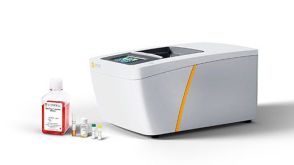 新闻Harnessing Combined Expertise: STEMCELL Technologies and Axion BioSystems Partner to Streamline Culture and Analysis of Excitable Cells
 沪公网安备31010102008431号