I. Romero-Calvo et al. (jan 2019)
Molecular cancer research : MCR 17 1 70--83
Human Organoids Share Structural and Genetic Features with Primary Pancreatic Adenocarcinoma Tumors.
Patient-derived pancreatic ductal adenocarcinoma (PDAC) organoid systems show great promise for understanding the biological underpinnings of disease and advancing therapeutic precision medicine. Despite the increased use of organoids,the fidelity of molecular features,genetic heterogeneity,and drug response to the tumor of origin remain important unanswered questions limiting their utility. To address this gap in knowledge,primary tumor- and patient-derived xenograft (PDX)-derived organoids,and 2D cultures for in-depth genomic and histopathologic comparisons with the primary tumor were created. Histopathologic features and PDAC representative protein markers (e.g.,claudin 4 and CA19-9) showed strong concordance. DNA- and RNA-sequencing (RNAseq) of single organoids revealed patient-specific genomic and transcriptomic consistency. Single-cell RNAseq demonstrated that organoids are primarily a clonal population. In drug response assays,organoids displayed patient-specific sensitivities. In addition,the in vivo PDX response to FOLFIRINOX and gemcitabine/abraxane treatments were examined,which was recapitulated in vitro with organoids. This study has demonstrated that organoids are potentially invaluable for precision medicine as well as preclinical drug treatment studies because they maintain distinct patient phenotypes and respond differently to drug combinations and dosage. IMPLICATIONS: The patient-specific molecular and histopathologic fidelity of organoids indicate that they can be used to understand the etiology of the patient's tumor and the differential response to therapies and suggests utility for predicting drug responses.
View Publication
Only a specific subset of human peripheral-blood monocytes has endothelial-like functional capacity.
The monocyte population in blood is considered a possible source of endothelial precursors. Because endothelial-specific receptor tyrosine kinases act as regulators of endothelial cell function,we investigated whether expression of the vascular endothelial growth factor receptor-2 (VEGFR-2) on monocytes is important for their endothelial-like functional capacity. Peripheral-blood monocytes expressing vascular endothelial growth factor receptor-2 (VEGFR-2),or CD14+/VEGFR-2+,were isolated,and their phenotypic,morphologic,and functional capacities were compared with those of monocytes negative for this marker (CD14+/VEGFR-2-). CD14+/VEGFR-2+ cells constituted approximately 2% +/- 0.5% of the total population of monocytes and 0.08% +/- 0.04% of mononuclear cells in blood. CD14+/VEGFR-2+ cells exhibited the potential to differentiate in vitro into cells with endothelial characteristics. The cells were efficiently transduced by a lentiviral vector driving expression of the green fluorescence protein (GFP). Transplantation of GFP-transduced cells into balloon-injured femoral arteries of nude mice significantly contributed to efficient reendothelialization. CD14+/VEGFR-2- did not exhibit any of these characteristics. These data demonstrate that the expression of VEGFR-2 on peripheral blood monocytes is essential for their endothelial-like functional capacity and support the notion of a common precursor for monocytic and endothelial cell lineage. Our results help clarify which subpopulations may restore damaged endothelium and may participate in the maintenance of vascular homeostasis.
View Publication
产品类型:
产品号#:
05900
05950
产品名:
Platet N et al. (DEC 2007)
Cancer letters 258 2 286--90
Influence of oxygen tension on CD133 phenotype in human glioma cell cultures.
Under standard culture conditions,tumor cells are exposed to 20% O(2),whereas the mean tumor oxygen levels within the tumor are much lower. We demonstrate,using low-passaged human tumor cell cultures established from glioma,that a reduction in the oxygen level in these cell cultures dramatically increases the percentage of CD133 expressing cells.
View Publication
产品类型:
产品号#:
05715
产品名:
NeuroCult™成年中枢神经系统(CNS)组织酶解试剂盒(小鼠和大鼠)
Archibald PRT et al. (AUG 2016)
Bioprocess and Biosystems Engineering 1--12
Comparability of automated human induced pluripotent stem cell culture: a pilot study
Consistent and robust manufacturing is essential for the translation of cell therapies,and the utilisation automation throughout the manufacturing process may allow for improvements in quality control,scalability,reproducibility and economics of the process. The aim of this study was to measure and establish the comparability between alternative process steps for the culture of hiPSCs. Consequently,the effects of manual centrifugation and automated non-centrifugation process steps,performed using TAP Biosystems' CompacT SelecT automated cell culture platform,upon the culture of a human induced pluripotent stem cell (hiPSC) line (VAX001024c07) were compared. This study,has demonstrated that comparable morphologies and cell diameters were observed in hiPSCs cultured using either manual or automated process steps. However,non-centrifugation hiPSC populations exhibited greater cell yields,greater aggregate rates,increased pluripotency marker expression,and decreased differentiation marker expression compared to centrifugation hiPSCs. A trend for decreased variability in cell yield was also observed after the utilisation of the automated process step. This study also highlights the detrimental effect of the cryopreservation and thawing processes upon the growth and characteristics of hiPSC cultures,and demonstrates that automated hiPSC manufacturing protocols can be successfully transferred between independent laboratories.
View Publication
产品类型:
产品号#:
05850
05857
05870
05875
85850
85857
85870
85875
产品名:
mTeSR™1
mTeSR™1
Griesi-Oliveira K et al. (NOV 2014)
Molecular psychiatry 20 March 1--16
Modeling non-syndromic autism and the impact of TRPC6 disruption in human neurons.
An increasing number of genetic variants have been implicated in autism spectrum disorders (ASDs),and the functional study of such variants will be critical for the elucidation of autism pathophysiology. Here,we report a de novo balanced translocation disruption of TRPC6,a cation channel,in a non-syndromic autistic individual. Using multiple models,such as dental pulp cells,induced pluripotent stem cell (iPSC)-derived neuronal cells and mouse models,we demonstrate that TRPC6 reduction or haploinsufficiency leads to altered neuronal development,morphology and function. The observed neuronal phenotypes could then be rescued by TRPC6 complementation and by treatment with insulin-like growth factor-1 or hyperforin,a TRPC6-specific agonist,suggesting that ASD individuals with alterations in this pathway may benefit from these drugs. We also demonstrate that methyl CpG binding protein-2 (MeCP2) levels affect TRPC6 expression. Mutations in MeCP2 cause Rett syndrome,revealing common pathways among ASDs. Genetic sequencing of TRPC6 in 1041 ASD individuals and 2872 controls revealed significantly more nonsynonymous mutations in the ASD population,and identified loss-of-function mutations with incomplete penetrance in two patients. Taken together,these findings suggest that TRPC6 is a novel predisposing gene for ASD that may act in a multiple-hit model. This is the first study to use iPSC-derived human neurons to model non-syndromic ASD and illustrate the potential of modeling genetically complex sporadic diseases using such cells.Molecular Psychiatry advance online publication,11 November 2014; doi:10.1038/mp.2014.141.
View Publication
产品类型:
产品号#:
05850
05857
05870
05875
85850
85857
85870
85875
产品名:
mTeSR™1
mTeSR™1
Raouf A et al. (JUL 2008)
Cell stem cell 3 1 109--18
Transcriptome analysis of the normal human mammary cell commitment and differentiation process.
Mature mammary epithelial cells are generated from undifferentiated precursors through a hierarchical process,but the molecular mechanisms involved,particularly in the human mammary gland,are poorly understood. To address this issue,we isolated highly purified subpopulations of primitive bipotent and committed luminal progenitor cells as well as mature luminal and myoepithelial cells from normal human mammary tissue and compared their transcriptomes obtained using three different methods. Elements unique to each subset of mammary cells were identified,and changes that accompany their differentiation in vivo were shown to be recapitulated in vitro. These include a stage-specific change in NOTCH pathway gene expression during the commitment of bipotent progenitors to the luminal lineage. Functional studies further showed NOTCH3 signaling to be critical for this differentiation event to occur in vitro. Taken together,these findings provide an initial foundation for future delineation of mechanisms that perturb primitive human mammary cell growth and differentiation.
View Publication
产品类型:
产品号#:
05601
产品名:
EpiCult™-B 人培养基
Mathers AR et al. (JAN 2009)
Journal of immunology (Baltimore,Md. : 1950) 182 2 921--33
Differential capability of human cutaneous dendritic cell subsets to initiate Th17 responses.
Human skin-migratory dendritic cells (DCs) have the ability to prime and bias Th1 and Th2 CD4+ T lymphocytes. However,whether human cutaneous DCs are capable of initiating proinflammatory Th17 responses remains undetermined. We report that skin-migratory DCs stimulate allogeneic naive CD4+ T cells that differentiate simultaneously into two distinct effector Th17 and Th1 populations capable of homing to the skin,where they induce severe cutaneous damage. Skin-migratory Langerhans cells (smiLCs) were the main cutaneous DC subset capable of inducing Th17 responses dependent on the combined effects of IL-15 and stabilized IL-6,which resulted in IL-6 trans-signaling of naive CD4+ T cells. Different from smiLCs,purified skin-migratory dermal DCs did not synthesize IL-15 and were unable to bias Th17 responses. Nevertheless,these dermal DCs were capable of differentiating Th17 cells in mixed leukocyte cultures supplemented with IL-15 and stabilized IL-6. Overall,our data demonstrate that human epidermal smiLCs induce Th17 responses by mechanisms different from those previously described and highlight the need to target clinical treatments based on these variations.
View Publication
M. Nötzel et al. (Sep 2024)
International Journal of Molecular Sciences 25 17
Raman Spectroscopy of Optically Trapped Living Human T Cell Subsets and Monocytes
In recent years,Raman spectroscopy has garnered growing interest in the field of biomedical research. It offers a non-invasive and label-free approach to defining the molecular fingerprint of immune cells. We utilized Raman spectroscopy on optically trapped immune cells to investigate their molecular compositions. While numerous immune cell types have been studied in the past,the characterization of living human CD3/CD28-stimulated T cell subsets remains incomplete. In this study,we demonstrate the capability of Raman spectroscopy to readily distinguish between naïve and stimulated CD4 and CD8 cells. Additionally,we compared these cells with monocytes and discovered remarkable similarities between stimulated T cells and monocytes. This paper contributes to expanding our knowledge of Raman spectroscopy of immune cells and serves as a launching point for future clinical applications.
View Publication
产品类型:
产品号#:
100-0784
10971
10991
产品名:
ImmunoCult™ 人CD3/CD28 T细胞激活剂
ImmunoCult™ 人CD3/CD28 T细胞激活剂
ImmunoCult™ 人CD3/CD28 T细胞激活剂
(Jul 2025)
Scientific Data 12
Temporal multiomics gene expression data of human embryonic stem cell-derived cardiomyocyte differentiation
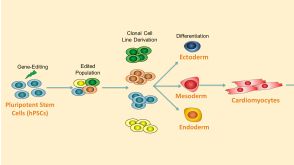
Human embryonic stem cells (hESCs) serve as a valuable in vitro model for studying early human developmental processes due to their ability to differentiate into all three germ layers. Here,we present a comprehensive multi-omics dataset generated by differentiating hESCs into cardiomyocytes via the mesodermal lineage,collecting samples at 10 distinct time points. We measured mRNA levels by mRNA sequencing (mRNA-seq),translation levels by ribosome profiling (Ribo-seq),and protein levels by quantitative mass spectrometry-based proteomics. Technical validation confirmed high quality and reproducibility across all datasets,with strong correlations between replicates. This extensive dataset provides critical insights into the complex regulatory mechanisms of cardiomyocyte differentiation and serves as a valuable resource for the research community,aiding in the exploration of mammalian development and gene regulation.
View Publication


 EasySep™小鼠TIL(CD45)正选试剂盒







 沪公网安备31010102008431号