Feldmann G et al. (MAR 2007)
Cancer research 67 5 2187--96
Blockade of hedgehog signaling inhibits pancreatic cancer invasion and metastases: a new paradigm for combination therapy in solid cancers.
In the context of pancreatic cancer,metastasis remains the most critical determinant of resectability,and hence survival. The objective of this study was to determine whether Hedgehog (Hh) signaling plays a role in pancreatic cancer invasion and metastasis because this is likely to have profound clinical implications. In pancreatic cancer cell lines,Hh inhibition with cyclopamine resulted in down-regulation of snail and up-regulation of E-cadherin,consistent with inhibition of epithelial-to-mesenchymal transition,and was mirrored by a striking reduction of in vitro invasive capacity (P textless 0.0001). Conversely,Gli1 overexpression in immortalized human pancreatic ductal epithelial cells led to a markedly invasive phenotype (P textless 0.0001) and near total down-regulation of E-cadherin. In an orthotopic xenograft model,cyclopamine profoundly inhibited metastatic spread; only one of seven cyclopamine-treated mice developed pulmonary micrometastases versus seven of seven mice with multiple macrometastases in control animals. Combination of gemcitabine and cyclopamine completely abrogated metastases while also significantly reducing the size of primary" tumors. Gli1 levels were up-regulated in tissue samples of metastatic human pancreatic cancer samples compared with matched primary tumors. Aldehyde dehydrogenase (ALDH) overexpression is characteristic for both hematopoietic progenitors and leukemic stem cells; cyclopamine preferentially reduced "ALDH-high" cells by approximately 3-fold (P = 0.048). We confirm pharmacologic Hh pathway inhibition as a valid therapeutic strategy for pancreatic cancer and show for the first time its particular efficacy against metastatic spread. By targeting specific cellular subpopulations likely involved in tumor initiation at metastatic sites�
View Publication
产品类型:
产品号#:
01700
01705
01701
01702
产品名:
ALDEFLUOR™ 试剂盒
ALDEFLUOR™ DEAB试剂, 1.5 mM, 1 mL
ALDEFLUOR™检测缓冲液
S. Kimura et al. (apr 2019)
The Journal of experimental medicine 216 4 831--846
Sox8 is essential for M cell maturation to accelerate IgA response at the early stage after weaning in mice.
Microfold (M) cells residing in the follicle-associated epithelium (FAE) of the gut-associated lymphoid tissue are specialized for antigen uptake to initiate mucosal immune responses. The molecular machinery and biological significance of M cell differentiation,however,remain to be fully elucidated. Here,we demonstrate that Sox8,a member of the SRY-related HMG box transcription factor family,is specifically expressed by M cells in the intestinal epithelium. The expression of Sox8 requires activation of RANKL-RelB signaling. Chromatin immunoprecipitation and luciferase assays revealed that Sox8 directly binds the promoter region of Gp2 to increase Gp2 expression,which is the hallmark of functionally mature M cells. Furthermore,genetic deletion of Sox8 causes a marked decrease in the number of mature M cells,resulting in reduced antigen uptake in Peyer's patches. Consequently,juvenile Sox8-deficient mice showed attenuated germinal center reactions and antigen-specific IgA responses. These findings indicate that Sox8 plays an essential role in the development of M cells to establish mucosal immune responses.
View Publication
产品类型:
产品号#:
06005
产品名:
IntestiCult™ 类器官生长培养基 (小鼠)
Valli C et al. (SEP 2008)
Molecular cancer therapeutics 7 9 2941--54
Atypical retinoids ST1926 and CD437 are S-phase-specific agents causing DNA double-strand breaks: significance for the cytotoxic and antiproliferative activity.
Retinoid-related molecules (RRM) are novel agents with tumor-selective cytotoxic/antiproliferative activity,a different mechanism of action from classic retinoids and no cross-resistance with other chemotherapeutics. ST1926 and CD437 are prototypic RRMs,with the former currently undergoing phase I clinical trials. We show here that ST1926,CD437,and active congeners cause DNA damage. Cellular and subcellular COMET assays,H2AX phosphorylation (gamma-H2AX),and scoring of chromosome aberrations indicate that active RRMs produce DNA double-strand breaks (DSB) and chromosomal lesions in NB4,an acute myeloid leukemia (AML) cell line characterized by high sensitivity to RRMs. There is a direct quantitative correlation between the levels of DSBs and the cytotoxic/antiproliferative effects induced by RRMs. NB4.437r blasts,which are selectively resistant to RRMs,do not show any sign of DNA damage after treatment with ST1926,CD437,and analogues. DNA damage is the major mechanism underlying the antileukemic activity of RRMs in NB4 and other AML cell lines. In accordance with the S-phase specificity of the cytotoxic and antiproliferative responses of AML cells to RRMs,increases in DSBs are maximal during the S phase of the cell cycle. Induction of DSBs precedes inhibition of DNA replication and is associated with rapid activation of ataxia telangectasia mutated,ataxia telangectasia RAD3-related,and DNA-dependent protein kinases with subsequent stimulation of the p38 mitogen-activated protein kinase. Inhibition of ataxia telangectasia mutated and DNA-dependent protein kinases reduces phosphorylation of H2AX. Cells defective for homologous recombination are particularly sensitive to ST1926,indicating that this process is important for the protection of cells from the RRM-dependent DNA damage and cytotoxicity.
View Publication
产品类型:
产品号#:
72722
72724
产品名:
CD437
CD437
Liu Q et al. ( 2010)
Journal of medicinal chemistry 53 19 7146--7155
Discovery of 1-(4-(4-propionylpiperazin-1-yl)-3-(trifluoromethyl)phenyl)-9-(quinolin-3-yl)benzo[h][1,6]naphthyridin-2(1H)-one as a highly potent, selective mammalian target of rapamycin (mTOR) inhibitor for the treatment of cancer.
The mTOR protein is a master regulator of cell growth and proliferation,and inhibitors of its kinase activity have the potential to become new class of anticancer drugs. Starting from quinoline 1,which was identified in a biochemical mTOR assay,we developed a tricyclic benzonaphthyridinone inhibitor 37 (Torin1),which inhibited phosphorylation of mTORC1 and mTORC2 substrates in cells at concentrations of 2 and 10 nM,respectively. Moreover,Torin1 exhibits 1000-fold selectivity for mTOR over PI3K (EC(50) = 1800 nM) and exhibits 100-fold binding selectivity relative to 450 other protein kinases. Torin1 was efficacious at a dose of 20 mg/kg in a U87MG xenograft model and demonstrated good pharmacodynamic inhibition of downstream effectors of mTOR in tumor and peripheral tissues. These results demonstrate that Torin1 is a useful probe of mTOR-dependent phenomena and that benzonaphthridinones represent a promising scaffold for the further development of mTOR-specific inhibitors with the potential for clinical utility.
View Publication
产品类型:
产品号#:
73492
73494
产品名:
Torin 1
Torin 1, 50 mg
Liu P et al. (OCT 2013)
British journal of cancer 109 7 1876--1885
Disulfiram targets cancer stem-like cells and reverses resistance and cross-resistance in acquired paclitaxel-resistant triple-negative breast cancer cells.
BACKGROUND Triple-negative breast cancer (TNBC) has significantly worse prognosis. Acquired chemoresistance remains the major cause of therapeutic failure of TNBC. In clinic,the relapsed TNBC is commonly pan-resistant to various drugs with completely different resistant mechanisms. Investigation of the mechanisms and development of new drugs to target pan-chemoresistance will potentially improve the therapeutic outcomes of TNBC patients. METHODS In this study,1-(4,5-Dimethylthiazol-2-yl)-3,5-diphenylformazan (MTT),combination index (CI)-isobologram,western blot,ALDEFLUOR analysis,clonogenic assay and immunocytochemistry were used. RESULTS The chemoresistant MDA-MB-231PAC10 cells are highly cross-resistant to paclitaxel (PAC),cisplatin (CDDP),docetaxel and doxorubicin. The MDA-MB-231PAC10 cells are quiescent with significantly longer doubling time (64.9 vs 31.7 h). This may be caused by high expression of p21(Waf1). The MDA-MB-231PAC10 cells express high aldehyde dehydrogenase (ALDH) activity and a panel of embryonic stem cell-related proteins,for example,Oct4,Sox2,Nanog and nuclealisation of HIF2$$ and NF-$$Bp65. We have previously reported that disulfiram (DS),an antialcoholism drug,targets cancer stem cells (CSCs) and enhances cytotoxicity of anticancer drugs. Disulfiram abolished CSC characters and completely reversed PAC and CDDP resistance in MDA-MB-231PAC10 cells. CONCLUSION Cancer stem cells may be responsible for acquired pan-chemoresistance. As a drug used in clinic,DS may be repurposed as a CSC inhibitor to reverse the acquired pan-chemoresistance.
View Publication
产品类型:
产品号#:
01700
01705
01702
产品名:
ALDEFLUOR™ 试剂盒
ALDEFLUOR™ DEAB试剂, 1.5 mM, 1 mL
ALDEFLUOR™检测缓冲液
Vazquez-Martin A et al. (MAR 2012)
Cell cycle (Georgetown,Tex.) 11 5 974--89
Activation of AMP-activated protein kinase (AMPK) provides a metabolic barrier to reprogramming somatic cells into stem cells.
The ability of somatic cells to reprogram their ATP-generating machinery into a Warburg-like glycolytic metabotype while overexpressing stemness genes facilitates their conversion into either induced pluripotent stem cells (iPSCs) or tumor-propagating cells. AMP-activated protein kinase (AMPK) is a metabolic master switch that senses and decodes intracellular changes in energy status; thus,we have evaluated the impact of AMPK activation in regulating the generation of iPSCs from nonstem cells of somatic origin. The indirect and direct activation of AMPK with the antidiabetic biguanide metformin and the thienopyridone A-769662,respectively,impeded the reprogramming of mouse embryonic and human diploid fibroblasts into iPSCs. The AMPK activators established a metabolic barrier to reprogramming that could not be bypassed,even through p53 deficiency,a fundamental mechanism to greatly improve the efficiency of stem-cell production. Treatment with metformin or A-769662 before the generation of iPSC colonies was sufficient to drastically decrease iPSC generation,suggesting that AMPK activation impedes early stem cell genetic reprogramming. Monitoring the transcriptional activation status of each individual reprogramming factor (i.e.,Oct4,Sox2,Klf4 and c-Myc) revealed that AMPK activation notably prevented the transcriptional activation of Oct4,the master regulator of the pluripotent state. AMPK activation appears to impose a normalized metabolic flow away from the required pro-immortalizing glycolysis that fuels the induction of stemness and pluripotency,endowing somatic cells with an energetic infrastructure that is protected against reprogramming. AMPK-activating anti-reprogramming strategies may provide a roadmap for the generation of novel cancer therapies that metabolically target tumor-propagating cells.
View Publication
产品类型:
产品号#:
72922
72924
73252
73254
产品名:
A769662
A769662, 50 mg
二甲双胍 (Hydrochloride)
二甲双胍 (Hydrochloride)
Kang E et al. ( 2016)
Nature 540 7632 270--275
Mitochondrial replacement in human oocytes carrying pathogenic mitochondrial DNA mutations.
Maternally inherited mitochondrial (mt)DNA mutations can cause fatal or severely debilitating syndromes in children,with disease severity dependent on the specific gene mutation and the ratio of mutant to wild-type mtDNA (heteroplasmy) in each cell and tissue. Pathogenic mtDNA mutations are relatively common,with an estimated 778 affected children born each year in the United States. Mitochondrial replacement therapies or techniques (MRT) circumventing mother-to-child mtDNA disease transmission involve replacement of oocyte maternal mtDNA. Here we report MRT outcomes in several families with common mtDNA syndromes. The mother's oocytes were of normal quality and mutation levels correlated with those in existing children. Efficient replacement of oocyte mutant mtDNA was performed by spindle transfer,resulting in embryos containing<99% donor mtDNA. Donor mtDNA was stably maintained in embryonic stem cells (ES cells) derived from most embryos. However,some ES cell lines demonstrated gradual loss of donor mtDNA and reversal to the maternal haplotype. In evaluating donor-to-maternal mtDNA interactions,it seems that compatibility relates to mtDNA replication efficiency rather than to mismatch or oxidative phosphorylation dysfunction. We identify a polymorphism within the conserved sequence box II region of the D-loop as a plausible cause of preferential replication of specific mtDNA haplotypes. In addition,some haplotypes confer proliferative and growth advantages to cells. Hence,we propose a matching paradigm for selecting compatible donor mtDNA for MRT.
View Publication
产品类型:
产品号#:
05850
05857
05870
05875
85850
85857
85870
85875
产品名:
mTeSR™1
mTeSR™1
Foster DC et al. (DEC 1994)
Proceedings of the National Academy of Sciences of the United States of America 91 26 13023--7
Human thrombopoietin: gene structure, cDNA sequence, expression, and chromosomal localization.
Thrombopoietin (TPO),a lineage-specific cytokine affecting the proliferation and maturation of megakaryocytes from committed progenitor cells,is believed to be the major physiological regulator of circulating platelet levels. Recently we have isolated a cDNA encoding a ligand for the murine c-mpl protooncogene and shown it to be TPO. By employing a murine cDNA probe,we have isolated a gene encoding human TPO from a human genomic library. The TPO locus spans over 6 kb and has a structure similar to that of the erythropoietin gene (EPO). Southern blot analysis of human genomic DNA reveals a hybridization pattern consistent with a single gene locus. The locus was mapped by in situ hybridization of metaphase chromosome preparations to chromosome 3q26-27,a site where a number of chromosomal abnormalities associated with thrombocythemia in cases of acute myeloid leukemia have been mapped. A human TPO cDNA was isolated by PCR from kidney mRNA. The cDNA encodes a protein with 80% identity to previously described murine TPO and is capable of initiating a proliferative signal to murine interleukin 3-dependent BaF3 cells expressing the murine or human TPO receptor.
View Publication
产品类型:
产品号#:
02822
产品名:
McCracken KW et al. (DEC 2014)
Nature 516 7531 400--4
Modelling human development and disease in pluripotent stem-cell-derived gastric organoids.
Gastric diseases,including peptic ulcer disease and gastric cancer,affect 10% of the world's population and are largely due to chronic Helicobacter pylori infection. Species differences in embryonic development and architecture of the adult stomach make animal models suboptimal for studying human stomach organogenesis and pathogenesis,and there is no experimental model of normal human gastric mucosa. Here we report the de novo generation of three-dimensional human gastric tissue in vitro through the directed differentiation of human pluripotent stem cells. We show that temporal manipulation of the FGF,WNT,BMP,retinoic acid and EGF signalling pathways and three-dimensional growth are sufficient to generate human gastric organoids (hGOs). Developing hGOs progressed through molecular and morphogenetic stages that were nearly identical to the developing antrum of the mouse stomach. Organoids formed primitive gastric gland- and pit-like domains,proliferative zones containing LGR5-expressing cells,surface and antral mucous cells,and a diversity of gastric endocrine cells. We used hGO cultures to identify novel signalling mechanisms that regulate early endoderm patterning and gastric endocrine cell differentiation upstream of the transcription factor NEUROG3. Using hGOs to model pathogenesis of human disease,we found that H. pylori infection resulted in rapid association of the virulence factor CagA with the c-Met receptor,activation of signalling and induction of epithelial proliferation. Together,these studies describe a new and robust in vitro system for elucidating the mechanisms underlying human stomach development and disease.
View Publication
产品类型:
产品号#:
05850
05857
05870
05875
07920
85850
85857
85870
85875
07922
产品名:
ACCUTASE™
mTeSR™1
mTeSR™1
ACCUTASE™
Cobb JP et al. (MAR 2005)
Proceedings of the National Academy of Sciences of the United States of America 102 13 4801--6
Application of genome-wide expression analysis to human health and disease.
The application of genome-wide expression analysis to a large-scale,multicentered program in critically ill patients poses a number of theoretical and technical challenges. We describe here an analytical and organizational approach to a systematic evaluation of the variance associated with genome-wide expression analysis specifically tailored to study human disease. We analyzed sources of variance in genome-wide expression analyses performed with commercial oligonucleotide arrays. In addition,variance in gene expression in human blood leukocytes caused by repeated sampling in the same subject,among different healthy subjects,among different leukocyte subpopulations,and the effect of traumatic injury,were also explored. We report that analytical variance caused by sample processing was acceptably small. Blood leukocyte gene expression in the same individual over a 24-h period was remarkably constant. In contrast,genome-wide expression varied significantly among different subjects and leukocyte subpopulations. Expectedly,traumatic injury induced dramatic changes in apparent gene expression that were greater in magnitude than the analytical noise and interindividual variance. We demonstrate that the development of a nation-wide program for gene expression analysis with careful attention to analytical details can reduce the variance in the clinical setting to a level where patterns of gene expression are informative among different healthy human subjects,and can be studied with confidence in human disease.
View Publication
产品类型:
产品号#:
15021
15061
15028
15068
产品名:
RosetteSep™人T细胞富集抗体混合物
RosetteSep™人T细胞富集抗体混合物
RosetteSep™人单核细胞富集抗体混合物
RosetteSep™人单核细胞富集抗体混合物
Darce JR et al. (DEC 2007)
Journal of immunology (Baltimore,Md. : 1950) 179 11 7276--86
Regulated expression of BAFF-binding receptors during human B cell differentiation.
BAFF plays a central role in B-lineage cell biology; however,the regulation of BAFF-binding receptor (BBR) expression during B cell activation and differentiation is not completely understood. In this study,we provide a comprehensive ex vivo analysis of BBRs in human B-lineage cells at various stages of maturation,as well as describe the events that drive and regulate receptor expression. Our data reveal that B-lineage cells ranging from naive to plasma cells (PCs),excluding bone marrow PCs,express BAFF-R uniformly. In contrast,only tonsillar memory B cells (MB) and PCs,from both tonsil and bone marrow tissues,express BCMA. Furthermore,we show that TACI is expressed by MB cells and PCs,as well as a subpopulation of activated CD27(neg) B cells. In this regard,we demonstrate that TACI is inducible early upon B cell activation and this is independent of B cell turnover. In addition,we found that TACI expression requires activation of the ERK1/2 pathway,since its expression was blocked by ERK1/2-specific inhibitors. Expression of BAFF-R and B cell maturation Ag (BCMA) is also highly regulated and we demonstrate that BCMA expression is only acquired in MB cells and in a manner accompanied by loss of BAFF-R expression. This inverse expression coincides with MB cell differentiation into Ig-secreting cells (ISC),since blocking differentiation inhibited both induction of BCMA expression and loss of BAFF-R. Collectively,our data suggest that the BBR profile may serve as a footprint of the activation history and stage of differentiation of normal human B cells.
View Publication


 EasySep™小鼠TIL(CD45)正选试剂盒




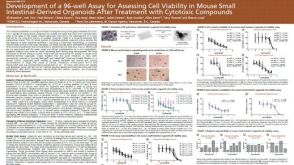 科学海报Development of a 96-well Assay for Assessing Cell Viability in Mouse Small Intestinal-Derived Organoids after Treatment with Cytotoxic Compounds

 沪公网安备31010102008431号