Systematic decoding of cis gene regulation defines context-dependent control of the multi-gene costimulatory receptor locus in human T cells
Cis-regulatory elements (CREs) interact with trans regulators to orchestrate gene expression,but how transcriptional regulation is coordinated in multi-gene loci has not been experimentally defined. We sought to characterize the CREs controlling dynamic expression of the adjacent costimulatory genes CD28,CTLA4 and ICOS,encoding regulators of T cell-mediated immunity. Tiling CRISPR interference (CRISPRi) screens in primary human T cells,both conventional and regulatory subsets,uncovered gene-,cell subset- and stimulation-specific CREs. Integration with CRISPR knockout screens and assay for transposase-accessible chromatin with sequencing (ATAC-seq) profiling identified trans regulators influencing chromatin states at specific CRISPRi-responsive elements to control costimulatory gene expression. We then discovered a critical CCCTC-binding factor (CTCF) boundary that reinforces CRE interaction with CTLA4 while also preventing promiscuous activation of CD28. By systematically mapping CREs and associated trans regulators directly in primary human T cell subsets,this work overcomes longstanding experimental limitations to decode context-dependent gene regulatory programs in a complex,multi-gene locus critical to immune homeostasis. Functional characterization of the regulatory landscape of the adjacent costimulatory genes CD28,CTLA4 and ICOS in primary human T cell subsets identifies context-dependent programs controlling this locus critical for immune homeostasis.
View Publication
产品类型:
产品号#:
100-0785
10970
10990
18000
20144
产品名:
ImmunoCult™ 人CD3/CD28/CD2 T细胞激活剂
ImmunoCult™ 人CD3/CD28/CD2 T细胞激活剂
ImmunoCult™ 人CD3/CD28/CD2 T细胞激活剂
EasySep™磁极
EasySep™缓冲液
I. Romayor et al. (Feb 2026)
Journal of Tissue Engineering 17 11
Nanopatterned bioresorbable elastomeric scaffolds to promote neural, glial, and endothelial differentiation using human embryonic and induced pluripotent stem cells
Bioresorbable nanopatterned scaffolds functionalized with polydopamine (PDA) and graphene oxide (GO) have been shown to promote the differentiation of murine neural stem cells (mNSCs) toward neural and glial lineages. Herein,we aim to evaluate the compatibility of these scaffolds for the culture and differentiation of both human embryonic (hESCs) and induced pluripotent (hiPSCs) stem cells. Our results indicate that PDA and GO scaffolds support the topographic alignment of hESCs and hiPSCs cultures,while preserving their pluripotency characteristics. Upon differentiation,PDA and GO scaffolds guide cell specification toward the neuroectoderm germ layer and the neural crest. This promotes enhanced differentiation into both neural and supportive glial cells of the central nervous system (CNS),as well as Schwann cells of the peripheral nervous system (PNS). Moreover,nanopatterned scaffolds also support the differentiation of hESCs and hiPSCs toward endothelial precursors. These findings establish a novel culture platform that enables combined differentiation pathways,potentially relevant for applications in personalized medicine and regenerative cell therapy.
View Publication
产品类型:
产品号#:
05230
产品名:
STEMdiff™ 三胚层分化试剂盒
Yu B et al. ( 2002)
Biochemical pharmacology 64 7 1091--1100
SU9516, a cyclin-dependent kinase 2 inhibitor, promotes accumulation of high molecular weight E2F complexes in human colon carcinoma cells.
The E2F family plays a critical role in the expression of genes required for entry into and progression through S phase. E2F-mediated transcription is repressed by the tumor suppressor retinoblastoma protein (pRb),which results in sequestration of E2F in a multiprotein complex that includes pRb. Derepression of E2F results from a series of complex phosphorylation events mediated by cyclin D/cdk4 and cyclin E/cdk2. We have employed a novel 3-substituted indolinone compound,3-[1-(3H-imidazol-4-yl)-meth-(Z)-ylidene]-5-methoxy-1,3-dihydro-indol-2-one (SU9516),which selectively inhibits cdk2 activity (Lane et al.,Cancer Res 2001;61:6170-7) to investigate these events. Electrophoretic mobility gel shift assays were performed on SU9516-treated and -untreated HT-29,SW480,and RKO human colon cancer cell extracts. Treatment with 5 microM SU9516 prevented dissociation of pRb from E2F1 in all cell lines (HT-29textgreaterRKOtextgreaterSW480). Treatment effects were time-dependent,demonstrating greater inhibition at 48 hr versus 24hr in HT-29 cells. Furthermore,E2F species were sequestered in complexes with p107,p130,DP-1,and cyclins A and E. After a 24-hr treatment with 5 microM SU9516,cyclin D1 and cdk2 levels decreased by 10-60%. These findings delineate a previously undescribed mechanism for SU9516-mediated cell growth arrest through down-regulation of cyclin D1,inhibition of cdk2 levels and activity,and pan-sequestration of E2F.
View Publication
产品类型:
产品号#:
73452
产品名:
SU9516
Kohler JJ et al. (MAR 2003)
Journal of leukocyte biology 73 3 407--16
Human immunodeficiency virus type 1 (HIV-1) induces activation of multiple STATs in CD4+ cells of lymphocyte or monocyte/macrophage lineages.
Human immunodeficiency virus type 1 (HIV-1) impacts the activation state of multiple lineages of hematopoietic cells. Chronic HIV-1 infection among individuals with progressive disease can be associated with increased levels of activated signal transducers and activators of transcription (STATs) in peripheral blood mononuclear cells. To investigate interactions between HIV-1 and CD4(+) cells,activated,phosphorylated STAT proteins in nuclear extracts from lymphocytic and promonocytic cell lines as well as primary monocyte-derived macrophages were measured. Levels of activated STATs increased six- to tenfold in HUT78 and U937 cells within 2 h following exposure to virions. The response to virus was dose-dependent,but kinetics of activation was delayed relative to interleukin-2 or interferon-gamma. Activation of STAT1,STAT3,and STAT5 occurred with diverse viral envelope proteins,independent of coreceptor use or viral replication. Envelope-deficient virions had no effect on STAT activation. Monoclonal antibody engagement of CD4 identified a novel role for CD4 as a mediator in the activation of multiple STATs. Results provide a model for HIV-1 pathogenesis in infected and noninfected hematopoietic cells.
View Publication
产品类型:
产品号#:
15028
15068
产品名:
RosetteSep™人单核细胞富集抗体混合物
RosetteSep™人单核细胞富集抗体混合物
Morizane A et al. (FEB 2011)
Journal of neuroscience research 89 2 117--126
Small-molecule inhibitors of bone morphogenic protein and activin/nodal signals promote highly efficient neural induction from human pluripotent stem cells.
The balance of bone morphogenic protein (BMP),transforming growth factor-β (TGFβ)/activin/nodal,and Wnt signals regulates the early lineage segregation of human embryonic stem cells (ESCs). Here we demonstrate that a combination of small-molecule inhibitors of BMP (Dorsomorphin) and TGFβ/activin/nodal (SB431542) signals promotes highly efficient neural induction from both human ESCs and induced pluripotent stem cells (iPSCs). The combination of small molecules had effects on both cell survival and purity of neural differentiation,under conditions of stromal (PA6) cell coculture and feeder-free floating aggregation culture,for all seven pluripotent stem cell lines that we studied,including three ESC and four iPSC lines. Small molecule compounds are stable and cost effective,so our findings provide a promising strategy for controlled production of neurons in regenerative medicine.
View Publication
产品类型:
产品号#:
72102
100-0246
产品名:
Dorsomorphin
白消安(Busulfan)
Li H et al. (SEP 2016)
In vitro cellular & developmental biology. Animal 52 8 885--893
Directed differentiation of human embryonic stem cells into keratinocyte progenitors in vitro: an attempt with promise of clinical use.
Human embryonic stem cells (hESCs) can differentiate into all somatic lineages including stratified squamous epithelia. Thus,efficient methods are required to direct hESC differentiation to obtain a pure subpopulation for tissue engineering. The study aimed to assess the effects of retinoic acid (RA),bone morphogenetic protein-4 (BMP4),and ascorbic acid (AA) on the differentiation of hESCs into keratinocyte progenitors in vitro. The first media contained AA and BMP4; the second contained RA,AA,and BMP4; the third was commercial-defined keratinocyte serum-free medium,which was used to differentiate H9 hESCs (direct approach) or embryoid bodies (EBs) (indirect approach) into keratinocyte progenitors. Real-time RT-PCR,immunofluorescence,and flow-cytometry were used to characterize the differentiated cells. Cells induced by AA + BMP4 + RA showed the typical epithelial morphology,while cells induced by AA + BMP4 showed multiple appearances. CK14 and p63 messenger RNA (mRNA) expressions in the AA + BMP4 + RA-treated cells were higher than those of the AA + BMP4-treated cells (CK14: 22.4-fold; p63: 84.7-fold). Epithelial marker CK18 mRNA expressions at 14 d of differentiation and keratinocyte marker CK14 and transcription factor p63 mRNA expressions at 35 d of differentiation were higher in cells differentiated from hESCs compared with those differentiated from EBs (CK18 10.51 ± 3.26 vs. 6.67 ± 1.28; CK14 9.27 ± 3.61 vs. 5.32 ± 1.86; p63 0.73 ± 0.06 vs. 0.44 ± 0.12,all P textless 0.05) After hESC induction by AA+BMP4+RA,CK14 mRNA expression was upregulated after day 21,peaking by 35 d of differentiation. Combined RA,BMP4,and AA could effectively induce differentiation of hESCs into keratinocyte progenitors in vitro. These keratinocytes could be used for oral mucosa and skin tissue engineering.
View Publication
产品类型:
产品号#:
05850
05857
05870
05875
07923
85850
85857
85870
85875
产品名:
Dispase (1 U/mL)
mTeSR™1
mTeSR™1
(Mar 2025)
bioRxiv 19
Dependence of cell fate potential and cadherin switching on primitive streak coordinate during differentiation of human pluripotent stem cells
During gastrulation,the primitive streak (PS) forms and begins to differentiate into mesendodermal subtypes. This process involves an epithelial-mesenchymal transition (EMT),which is marked by cadherin switching,where E-Cadherin is downregulated,and N-Cadherin is upregulated. To understand the relationships between differentiation,EMT,and cadherin switching,we made measurements of these processes during differentiation of human pluripotent stem cells (hPSCs) to PS and subsequently to mesendoderm subtypes using established protocols,as well as variants in which signaling through key pathways including Activin,BMP,and Wnt were modulated. We found that perturbing signaling so that cells acquired identities ranging from anterior to posterior PS had little impact on the subsequent differentiation potential of cells but strongly impacted the degree of cadherin switching. The degree of E-Cadherin downregulation and N-Cadherin upregulation were uncorrelated and had different dependence on signaling. The exception to the broad potential of cells throughout the PS was the loss of definitive endoderm potential in cells with mid to posterior PS identities. Thus,cells induced to different PS coordinates had similar potential within the mesoderm but differed in cadherin switching. Consistently,E-Cadherin knockout did not alter cell fates outcomes during differentiation. Overall,cadherin switching and EMT are modulated independently of cell fate commitment in mesendodermal differentiation.
View Publication
产品类型:
产品号#:
100-0276
100-1130
85850
85857
产品名:
mTeSR™ Plus
mTeSR™ Plus
mTeSR™1
mTeSR™1
J. Taelman et al. ( 2019)
Stem Cells and Development 28 9 579--592
WNT inhibition and increased FGF signaling promotes derivation of less heterogeneous primed human embryonic stem cells, compatible with differentiation
Human embryonic stem cells (hESCs) hold great value for future clinical applications. However,standard culture conditions maintain hESCs in a primed state,which bears heterogeneity in pluripotency and a tendency for spontaneous differentiation. To counter these drawbacks,primed hESCs have been converted to a naive state,but this has restricted the efficiency of existing directed differentiation protocols. In mouse,WNT inhibition by inhibitor of WNT production-2,together with a higher dose of fibroblast growth factor 2 (12 ng/mL) in DMEM/F12 basal medium (DhiFI),markedly improved derivation and maintenance of primed mouse epiblast stem cells. In this study,we show that DhiFI conditions similarly improved primed hESC traits,such as conferring a primed transcriptional signature with high levels of pluripotency markers and reduced levels of differentiation markers. When triggered to differentiate to neuronal and cardiac lineages,DhiFI hESCs and isogenic primed hESCs progressed similarly. Moreover,DhiFI conditions supported the derivation of hESC lines from a post-inner cell mass intermediate (PICMI). DhiFI-derived hESCs showed less spontaneous differentiation and expressed significantly lower levels of lineage-specific markers,compared to primed-derived lines from the same PICMI. Overall,DhiFI hESCs retained advantages of both primed and naive pluripotency and may ultimately represent a more favorable starting point for differentiation toward clinically desired cell types.
View Publication
产品类型:
产品号#:
77003
77004
200-0117
产品名:
CellAdhere™ Laminin-521
CellAdhere™ Laminin-521
Azevedo RI et al. (MAR 2009)
Blood 113 13 2999--3007
IL-7 sustains CD31 expression in human naive CD4+ T cells and preferentially expands the CD31+ subset in a PI3K-dependent manner.
The CD31(+) subset of human naive CD4(+) T cells is thought to contain the population of cells that have recently emigrated from the thymus,while their CD31(-) counterparts have been proposed to originate from CD31(+) cells after homeostatic cell division. Naive T-cell maintenance is known to involve homeostatic cytokines such as interleukin-7 (IL-7). It remains to be investigated what role this cytokine has in the homeostasis of naive CD4(+) T-cell subsets defined by CD31 expression. We provide evidence that IL-7 exerts a preferential proliferative effect on CD31(+) naive CD4(+) T cells from adult peripheral blood compared with the CD31(-) subset. IL-7-driven proliferation did not result in loss of CD31 expression,suggesting that CD31(+) naive CD4(+) T cells can undergo cytokine-driven homeostatic proliferation while preserving CD31. Furthermore,IL-7 sustained or increased CD31 expression even in nonproliferating cells. Both proliferation and CD31 maintenance were dependent on the activation of phosphoinositide 3-kinase (PI3K) signaling. Taken together,our data suggest that during adulthood CD31(+) naive CD4(+) T cells are maintained by IL-7 and that IL-7-based therapies may exert a preferential effect on this population.
View Publication
Jung J-H et al. (APR 2015)
Stem cells and development 24 8 948--61
CXCR2 and its related ligands play a novel role in supporting the pluripotency and proliferation of human pluripotent stem cells.
Basic fibroblast growth factor (bFGF) is a crucial factor sustaining human pluripotent stem cells (hPSCs). We designed this study to search the substitutive factors other than bFGF for the maintenance of hPSCs by using human placenta-derived conditioned medium without exogenous bFGF (hPCCM-),containing chemokine (C-X-C motif) receptor 2 (CXCR2) ligands,including interleukin (IL)-8 and growth-related oncogene $\$(GRO$\$),which were developed on the basis of our previous studies. First,we confirmed that IL-8 and/or GRO$\$ independent roles to preserve the phenotype of hPSCs. Then,we tried CXCR2 blockage of hPSCs in hPCCM- and verified the significant decrease of pluripotency-associated genes expression and the proliferation of hPSCs. Interestingly,CXCR2 suppression of hPSCs in mTeSR™1 containing exogenous bFGF decreased the proliferation of hPSCs while maintaining pluripotency characteristics. Lastly,we found that hPSCs proliferated robustly for more than 35 passages in hPCCM- on a gelatin substratum. Higher CXCR2 expression of hPSCs cultured in hPCCM- than those in mTeSR™1 was observable. Our findings suggest that CXCR2 and its related ligands might be novel factors comparable to bFGF supporting the characteristics of hPSCs and hPCCM- might be useful for the maintenance of hPSCs as well as for the accurate evaluation of CXCR2 role in hPSCs without the confounding influence of exogenous bFGF.
View Publication
产品类型:
产品号#:
05850
05857
05870
05875
85850
85857
85870
85875
产品名:
mTeSR™1
mTeSR™1
Chichagova V et al. ( 2016)
1353 285--307
Generation of Human Induced Pluripotent Stem Cells Using RNA-Based Sendai Virus System and Pluripotency Validation of the Resulting Cell Population.
Human induced pluripotent stem cells (hiPSCs) provide a platform for studying human disease in vitro,increase our understanding of human embryonic development,and provide clinically relevant cell types for transplantation,drug testing,and toxicology studies. Since their discovery,numerous advances have been made in order to eliminate issues such as vector integration into the host genome,low reprogramming efficiency,incomplete reprogramming and acquisition of genomic instabilities. One of the ways to achieve integration-free reprogramming is by using RNA-based Sendai virus. Here we describe a method to generate hiPSCs with Sendai virus in both feeder-free and feeder-dependent culture systems. Additionally,we illustrate methods by which to validate pluripotency of the resulting stem cell population.
View Publication


 EasySep™小鼠TIL(CD45)正选试剂盒





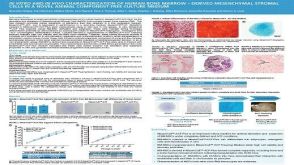 科学海报In Vitro and in Vivo Characterization of Human Bone Marrow-Derived Mesenchymal Stromal Cells in a Novel Animal Component-Free Culture Medium
 沪公网安备31010102008431号