Optimization of a human induced pluripotent stem cell-derived sensory neuron model for the in vitro evaluation of taxane-induced neurotoxicity
Human induced pluripotent stem cell-derived sensory neuron (iPSC-dSN) models are a valuable resource for the study of neurotoxicity but are affected by poor replicability and reproducibility,often due to a lack of optimization. Here,we identify experimental factors related to culture conditions that substantially impact cellular drug response in vitro and determine optimal conditions for improved replicability and reproducibility. Treatment duration and cell seeding density were both found to be significant factors,while cell line differences also contributed to variation. A replicable dose–response in viability was demonstrated after 48-h exposure to docetaxel or paclitaxel. Additionally,a replicable dose-dependent reduction in neurite outgrowth was demonstrated,demonstrating the applicability of the model for the examination of additional phenotypes. Overall,we have established an optimized iPSC-dSN model for the study of taxane-induced neurotoxicity.
View Publication
产品类型:
产品号#:
100-0276
100-1130
产品名:
mTeSR™ Plus
mTeSR™ Plus
Ouchi T et al. (MAY 2015)
Differentiation
LNGFR+THY-1+ human pluripotent stem cell-derived neural crest-like cells have the potential to develop into mesenchymal stem cells
Mesenchymal stem cells (MSCs) are defined as non-hematopoietic,plastic-adherent,self-renewing cells that are capable of tri-lineage differentiation into bone,cartilage or fat in vitro. Thus,MSCs are promising candidates for cell-based medicine. However,classifications of MSCs have been defined retrospectively; moreover,this conventional criterion may be inaccurate due to contamination with other hematopoietic lineage cells. Human MSCs can be enriched by selection for LNGFR and THY-1,and this population may be analogous to murine PDGFR??+Sca-1+ cells,which are developmentally derived from neural crest cells (NCCs). Murine NCCs were labeled by fluorescence,which provided definitive proof of neural crest lineage,however,technical considerations prevent the use of a similar approach to determine the origin of human LNGFR+THY-1+ MSCs. To further clarify the origin of human MSCs,human embryonic stem cells (ESCs) and human induced pluripotent stem cells (iPSCs) were used in this study. Under culture conditions required for the induction of neural crest cells,human ESCs and iPSCs-derived cells highly expressed LNGFR and THY-1. These LNGFR+THY-1+ neural crest-like cells,designated as LT-NCLCs,showed a strong potential to differentiate into both mesenchymal and neural crest lineages. LT-NCLCs proliferated to form colonies and actively migrated in response to serum concentration. Furthermore,we transplanted LT-NCLCs into chick embryos,and traced their potential for survival,migration and differentiation in the host environment. These results suggest that LNGFR+THY-1+ cells identified following NCLC induction from ESCs/iPSCs shared similar potentials with multipotent MSCs.
View Publication
K. B. Langer et al. (APR 2018)
Stem cell reports 10 4 1282--1293
Retinal Ganglion Cell Diversity and Subtype Specification from Human Pluripotent Stem Cells.
Retinal ganglion cells (RGCs) are the projection neurons of the retina and transmit visual information to postsynaptic targets in the brain. While this function is shared among nearly all RGCs,this class of cell is remarkably diverse,comprised of multiple subtypes. Previous efforts have identified numerous RGC subtypes in animal models,but less attention has been paid to human RGCs. Thus,efforts of this study examined the diversity of RGCs differentiated from human pluripotent stem cells (hPSCs) and characterized defined subtypes through the expression of subtype-specific markers. Further investigation of these subtypes was achieved using single-cell transcriptomics,confirming the combinatorial expression of molecular markers associated with these subtypes,and also provided insight into more subtype-specific markers. Thus,the results of this study describe the derivation of RGC subtypes from hPSCs and will support the future exploration of phenotypic and functional diversity within human RGCs.
View Publication
产品类型:
产品号#:
05790
05792
05793
05794
05795
85850
85857
产品名:
BrainPhys™神经元培养基
BrainPhys™神经元培养基和SM1试剂盒
BrainPhys™ 神经元培养基N2-A和SM1试剂盒
BrainPhys™原代神经元试剂盒
BrainPhys™ hPSC 神经元试剂盒
mTeSR™1
mTeSR™1
Brown ME et al. (JAN 2010)
PLoS ONE 5 6 e11373
Derivation of induced pluripotent stem cells from human peripheral blood T lymphocytes
Induced pluripotent stem cells (iPSCs) hold enormous potential for the development of personalized in vitro disease models,genomic health analyses,and autologous cell therapy. Here we describe the generation of T lymphocyte-derived iPSCs from small,clinically advantageous volumes of non-mobilized peripheral blood. These T-cell derived iPSCs (TiPS") retain a normal karyotype and genetic identity to the donor. They share common characteristics with human embryonic stem cells (hESCs) with respect to morphology�
View Publication
产品类型:
产品号#:
05850
05857
05870
05875
85850
85857
85870
85875
产品名:
mTeSR™1
mTeSR™1
Chan H-W et al. (JAN 2003)
The Journal of experimental medicine 197 2 245--55
DNA methylation maintains allele-specific KIR gene expression in human natural killer cells.
Killer immunoglobulin-like receptors (KIR) bind self-major histocompatibility complex class I molecules,allowing natural killer (NK) cells to recognize aberrant cells that have down-regulated class I. NK cells express variable numbers and combinations of highly homologous clonally restricted KIR genes,but uniformly express KIR2DL4. We show that NK clones express both 2DL4 alleles and either one or both alleles of the clonally restricted KIR 3DL1 and 3DL2 genes. Despite allele-independent expression,3DL1 alleles differed in the core promoter by only one or two nucleotides. Allele-specific 3DL1 gene expression correlated with promoter and 5' gene DNA hypomethylation in NK cells in vitro and in vivo. The DNA methylase inhibitor,5-aza-2'-deoxycytidine,induced KIR DNA hypomethylation and heterogeneous expression of multiple KIR genes. Thus,NK cells use DNA methylation to maintain clonally restricted expression of highly homologous KIR genes and alleles.
View Publication
产品类型:
产品号#:
15025
15065
产品名:
RosetteSep™人NK细胞富集抗体混合物
RosetteSep™人NK细胞富集抗体混合物
Woll PS et al. (OCT 2005)
Journal of immunology (Baltimore,Md. : 1950) 175 8 5095--103
Human embryonic stem cell-derived NK cells acquire functional receptors and cytolytic activity.
Human embryonic stem cells (hESCs) provide a unique resource to analyze early stages of human hematopoiesis. However,little is known about the ability to use hESCs to evaluate lymphocyte development. In the present study,we use a two-step culture method to demonstrate efficient generation of functional NK cells from hESCs. The CD56(+)CD45(+) hESC-derived lymphocytes express inhibitory and activating receptors typical of mature NK cells,including killer cell Ig-like receptors,natural cytotoxicity receptors,and CD16. Limiting dilution analysis suggests that these cells can be produced from hESC-derived hemopoietic progenitors at a clonal frequency similar to CD34(+) cells isolated from cord blood. The hESC-derived NK cells acquire the ability to lyse human tumor cells by both direct cell-mediated cytotoxicity and Ab-dependent cellular cytotoxicity. Additionally,activated hESC-derived NK cells up-regulate cytokine production. hESC-derived lymphoid progenitors provide a novel means to characterize specific cellular and molecular mechanisms that lead to development of specific human lymphocyte populations. These cells may also provide a source for innovative cellular immune therapies.
View Publication
产品类型:
产品号#:
18056
18056RF
产品名:
I. Canals et al. (SEP 2018)
Nature methods 15 9 693--696
Rapid and efficient induction of functional astrocytes from human pluripotent stem cells.
The derivation of astrocytes from human pluripotent stem cells is currently slow and inefficient. We demonstrate that overexpression of the transcription factors SOX9 and NFIB in human pluripotent stem cells rapidly and efficiently yields homogeneous populations of induced astrocytes. In our study these cells exhibited molecular and functional properties resembling those of adult human astrocytes and were deemed suitable for disease modeling. Our method provides new possibilities for the study of human astrocytes in health and disease.
View Publication
产品类型:
产品号#:
05790
05792
05793
05794
05795
85850
85857
85870
85875
100-0276
100-1130
73802
73804
产品名:
BrainPhys™神经元培养基
BrainPhys™神经元培养基和SM1试剂盒
BrainPhys™ 神经元培养基N2-A和SM1试剂盒
BrainPhys™原代神经元试剂盒
BrainPhys™ hPSC 神经元试剂盒
mTeSR™1
mTeSR™1
mTeSR™ Plus
mTeSR™ Plus
Rho激酶抑制剂IV (Dihydrochloride)
Rho激酶抑制剂IV (Dihydrochloride)
Brzeszczynska J et al. (JUN 2014)
International journal of molecular medicine 33 6 1597--1606
Differentiation and molecular profiling of human embryonic stem cell-derived corneal epithelial cells
It has been suggested that the isolation of scalable populations of limbal stem cells may lead to radical changes in ocular therapy. In particular,the derivation and transplantation of corneal stem cells from these populations may result in therapies providing clinical normality of the diseased or damaged cornea. Although feasible in theory,the lack of donor material in sufficient quantity and quality currently limits such a strategy. A potential scalable source of corneal cells could be derived from pluripotent stem cells (PSCs). We developed an in vitro and serum-free corneal differentiation model which displays significant promise. Our stepwise differentiation model was designed with reference to development and gave rise to cells which displayed similarities to epithelial progenitor cells which can be specified to cells displaying a corneal epithelial phenotype. We believe our approach is novel,provides a robust model of human development and in the future,may facilitate the generation of corneal epithelial cells that are suitable for clinical use. Additionally,we demonstrate that following continued cell culture,stem cell-derived corneal epithelial cells undergo transdifferentiation and exhibit squamous metaplasia and therefore,also offer an in vitro model of disease.
View Publication
产品类型:
产品号#:
05850
05857
05870
05875
85850
85857
85870
85875
产品名:
mTeSR™1
mTeSR™1
Ru R et al. (JUN 2013)
Cell Regeneration 2 1 5
Targeted genome engineering in human induced pluripotent stem cells by penetrating TALENs.
BACKGROUND: Zinc-finger nucleases (ZFNs) and transcription activator-like effector nucleases (TALENs) have been successfully used to knock out endogenous genes in stem cell research. However,the deficiencies of current gene-based delivery systems may hamper the clinical application of these nucleases. A new delivery method that can improve the utility of these nucleases is needed.backslashnbackslashnRESULTS: In this study,we utilized a cell-penetrating peptide-based system for ZFN and TALEN delivery. Functional TAT-ZFN and TAT-TALEN proteins were generated by fusing the cell-penetrating TAT peptide to ZFN and TALEN,respectively. However,TAT-ZFN was difficult to purify in quantities sufficient for analysis in cell culture. Purified TAT-TALEN was able to penetrate cells and disrupt the gene encoding endogenous human chemokine (C-C motif) receptor 5 (CCR5,a co-receptor for HIV-1 entry into cells). Hypothermic treatment greatly enhanced the TAT-TALEN-mediated gene disruption efficiency. A 5% modification rate was observed in human induced pluripotent stem cells (hiPSCs) treated with TAT-TALEN as measured by the Surveyor assay.backslashnbackslashnCONCLUSIONS: TAT-TALEN protein-mediated gene disruption was applicable in hiPSCs and represents a promising technique for gene knockout in stem cells. This new technique may advance the clinical application of TALEN technology.
View Publication
产品类型:
产品号#:
05850
05857
05870
05875
85850
85857
85870
85875
产品名:
mTeSR™1
mTeSR™1
Spence JR et al. (FEB 2010)
Nature 470 7332 105--109
Directed differentiation of human pluripotent stem cells into intestinal tissue in vitro
Studies in embryonic development have guided successful efforts to direct the differentiation of human embryonic and induced pluripotent stem cells (PSCs) into specific organ cell types in vitro. For example,human PSCs have been differentiated into monolayer cultures of liver hepatocytes and pancreatic endocrine cells that have therapeutic efficacy in animal models of liver disease and diabetes,respectively. However,the generation of complex three-dimensional organ tissues in vitro remains a major challenge for translational studies. Here we establish a robust and efficient process to direct the differentiation of human PSCs into intestinal tissue in vitro using a temporal series of growth factor manipulations to mimic embryonic intestinal development. This involved activin-induced definitive endoderm formation,FGF/Wnt-induced posterior endoderm pattering,hindgut specification and morphogenesis,and a pro-intestinal culture system to promote intestinal growth,morphogenesis and cytodifferentiation. The resulting three-dimensional intestinal 'organoids' consisted of a polarized,columnar epithelium that was patterned into villus-like structures and crypt-like proliferative zones that expressed intestinal stem cell markers. The epithelium contained functional enterocytes,as well as goblet,Paneth and enteroendocrine cells. Using this culture system as a model to study human intestinal development,we identified that the combined activity of WNT3A and FGF4 is required for hindgut specification whereas FGF4 alone is sufficient to promote hindgut morphogenesis. Our data indicate that human intestinal stem cells form de novo during development. We also determined that NEUROG3,a pro-endocrine transcription factor that is mutated in enteric anendocrinosis,is both necessary and sufficient for human enteroendocrine cell development in vitro. PSC-derived human intestinal tissue should allow for unprecedented studies of human intestinal development and disease.
View Publication


 EasySep™小鼠TIL(CD45)正选试剂盒





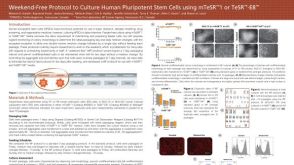 科学海报Weekend-Free Protocol to Culture Human Pluripotent Stem Cells Using mTeSR™1 or TeSR™-E8™
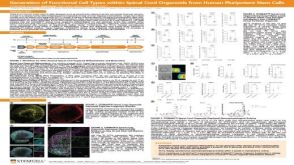 科学海报Generation of Functional 3D Spinal Cord Organoids from Human Pluripotent Stem Cells
 沪公网安备31010102008431号