Allele-biased expression in differentiating human neurons: implications for neuropsychiatric disorders.
Stochastic processes and imprinting,along with genetic factors,lead to monoallelic or allele-biased gene expression. Stochastic monoallelic expression fine-tunes information processing in immune cells and the olfactory system,and imprinting plays an important role in development. Recent studies suggest that both stochastic events and imprinting may be more widespread than previously considered. We are interested in allele-biased gene expression occurring in the brain because parent-of-origin effects suggestive of imprinting appear to play a role in the transmission of schizophrenia (SZ) and autism spectrum disorders (ASD) in some families. In addition,allele-biased expression could help explain monozygotic (MZ) twin discordance and reduced penetrance. The ability to study allele-biased expression in human neurons has been transformed with the advent of induced pluripotent stem cell (iPSC) technology and next generation sequencing. Using transcriptome sequencing (RNA-Seq) we identified 801 genes in differentiating neurons that were expressed in an allele-biased manner. These included a number of putative SZ and ASD candidates,such as A2BP1 (RBFOX1),ERBB4,NLGN4X,NRG1,NRG3,NRXN1,and NLGN1. Overall,there was a modest enrichment for SZ and ASD candidate genes among those that showed evidence for allele-biased expression (chi-square,p = 0.02). In addition to helping explain MZ twin discordance and reduced penetrance,the capacity to group many candidate genes affecting a variety of molecular and cellular pathways under a common regulatory process - allele-biased expression - could have therapeutic implications.
View Publication
M. K. Orlowska et al. (Mar 2024)
Biomicrofluidics 18 2
A miniaturized culture platform for control of the metabolic environment
The heart is a metabolic “omnivore” and adjusts its energy source depending on the circulating metabolites. Human cardiac organoids,a three-dimensional in vitro model of the heart wall,are a useful tool to study cardiac physiology and pathology. However,cardiac tissue naturally experiences shear stress and nutrient fluctuations via blood flow in vivo,whilst in vitro models are conventionally cultivated in a static medium. This necessitates the regular refreshing of culture media,which creates acute cellular disturbances and large metabolic fluxes. To culture human cardiac organoids in a more physiological manner,we have developed a perfused bioreactor for cultures in a 96-well plate format. The designed bioreactor is easy to fabricate using a common culture plate and a 3D printer. Its open system allows for the use of traditional molecular biology techniques,prevents flow blockage issues,and provides easy access for sampling and cell assays. We hypothesized that a perfused culture would create more stable environment improving cardiac function and maturation. We found that lactate is rapidly produced by human cardiac organoids,resulting in large fluctuations in this metabolite under static culture. Despite this,neither medium perfusion in bioreactor culture nor lactate supplementation improved cardiac function or maturation. In fact,RNA sequencing revealed little change across the transcriptome. This demonstrates that cardiac organoids are robust in response to fluctuating environmental conditions under normal physiological conditions. Together,we provide a framework for establishing an easily accessible perfusion system that can be adapted to a range of miniaturized cell culture systems.
View Publication
产品类型:
产品号#:
100-0483
100-0484
产品名:
Hausser Scientificᵀᴹ 明线血球计数板
ReLeSR™
R. Gupta et al. (may 2019)
Journal of immunology (Baltimore,Md. : 1950) 202 10 2924--2944
Mechanism for IL-15-Driven B Cell Chronic Lymphocytic Leukemia Cycling: Roles for AKT and STAT5 in Modulating Cyclin D2 and DNA Damage Response Proteins.
Clonal expansion of B cell chronic lymphocytic leukemia (B-CLL) occurs within lymphoid tissue pseudofollicles. IL-15,a stromal cell-associated cytokine found within spleens and lymph nodes of B-CLL patients,significantly boosts in vitro cycling of blood-derived B-CLL cells following CpG DNA priming. Both IL-15 and CpG DNA are elevated in microbe-draining lymphatic tissues,and unraveling the basis for IL-15-driven B-CLL growth could illuminate new therapeutic targets. Using CpG DNA-primed human B-CLL clones and approaches involving both immunofluorescent staining and pharmacologic inhibitors,we show that both PI3K/AKT and JAK/STAT5 pathways are activated and functionally important for IL-15→CD122/ɣc signaling in ODN-primed cells expressing activated pSTAT3. Furthermore,STAT5 activity must be sustained for continued cycling of CFSE-labeled B-CLL cells. Quantitative RT-PCR experiments with inhibitors of PI3K and STAT5 show that both contribute to IL-15-driven upregulation of mRNA for cyclin D2 and suppression of mRNA for DNA damage response mediators ATM,53BP1,and MDC1. Furthermore,protein levels of these DNA damage response molecules are reduced by IL-15,as indicated by Western blotting and immunofluorescent staining. Bioinformatics analysis of ENCODE chromatin immunoprecipitation sequencing data from cell lines provides insight into possible mechanisms for STAT5-mediated repression. Finally,pharmacologic inhibitors of JAKs and STAT5 significantly curtailed B-CLL cycling when added either early or late in a growth response. We discuss how the IL-15-induced changes in gene expression lead to rapid cycling and possibly enhanced mutagenesis. STAT5 inhibitors might be an effective modality for blocking B-CLL growth in patients.
View Publication
产品类型:
产品号#:
15024
15064
产品名:
RosetteSep™人B细胞富集抗体混合物
RosetteSep™人B细胞富集抗体混合物
Schwieger M et al. (APR 2004)
Blood 103 7 2744--52
A dominant-negative mutant of C/EBPalpha, associated with acute myeloid leukemias, inhibits differentiation of myeloid and erythroid progenitors of man but not mouse.
The CCAAT/enhancer binding protein alpha (C/EBPalpha) is an essential transcription factor for granulocytic differentiation. C/EBPalpha mutations are found in approximately 8% of acute myeloid leukemia (AML) patients. Most of these mutations occur in the N-terminal coding region,resulting in a frame shift and the enhanced translation of a dominant-negative 30-kDa protein,which may be responsible for the differentiation block observed in AML. To test this hypothesis,we introduced a cDNA encoding an N-terminal mutated C/EBPalpha (mut10) into primary hematopoietic progenitors using a retroviral vector. Expression of mut10 in human CD34+ cord blood cells dramatically inhibited differentiation of both myeloid and erythroid lineages. Immunohistochemical analysis demonstrated coexpression of both myeloid and erythroid markers in the immature transformed cells. Surprisingly,mut10 did not block myelocytic differentiation in murine progenitors but did alter their differentiation kinetics and clonogenicity. Experiments were performed to confirm that the differential effect of mut10 on murine and human progenitors was not due to species-specific differences in C/EBPalpha protein sequences,expression levels,or inefficient targeting of relevant cells. Taken together,our results underline the intrinsic differences between hematopoietic controls in mouse and human and support the hypothesis that mutations in CEBPA are critical events in the disruption of myeloid differentiation in AMLs.
View Publication
产品类型:
产品号#:
03434
03444
09600
09650
84434
84444
产品名:
MethoCult™ GF M3434
MethoCult™ GF M3434
StemSpan™ SFEM
StemSpan™ SFEM
Pua HH et al. (APR 2009)
Journal of immunology (Baltimore,Md. : 1950) 182 7 4046--55
Autophagy is essential for mitochondrial clearance in mature T lymphocytes.
Macroautophagy plays an important role in the regulation of cell survival,metabolism,and the lysosomal degradation of cytoplasmic material. In the immune system,autophagy contributes to the clearance of intracellular pathogens,MHCII cross-presentation of endogenous Ags,as well as cell survival. We and others have demonstrated that autophagy occurs in T lymphocytes and contributes to the regulation of their cellular function,including survival and proliferation. Here we show that the essential autophagy gene Atg7 is required in a cell-intrinsic manner for the survival of mature primary T lymphocytes. We also find that mitochondrial content is developmentally regulated in T but not in B cells,with exit from the thymus marking a transition from high mitochondrial content in thymocytes to lower mitochondrial content in mature T cells. Macroautophagy has been proposed to play an important role in the clearance of intracellular organelles,and autophagy-deficient mature T cells fail to reduce their mitochondrial content in vivo. Consistent with alterations in mitochondrial content,autophagy-deficient T cells have increased reactive oxygen species production as well as an imbalance in pro- and antiapoptotic protein expression. With much recent interest in the possibility of autophagy-dependent developmentally programmed clearance of organelles in lens epithelial cells and erythrocytes,our data demonstrate that autophagy may have a physiologically significant role in the clearance of superfluous mitochondria in T lymphocytes as part of normal T cell homeostasis.
View Publication
OrganoLabeler: A Quick and Accurate Annotation Tool for Organoid Images
Organoids are self-assembled 3D cellular structures that resemble organs structurally and functionally,providing in vitro platforms for molecular and therapeutic studies. Generation of organoids from human cells often requires long and costly procedures with arguably low efficiency. Prediction and selection of cellular aggregates that result in healthy and functional organoids can be achieved by using artificial intelligence-based tools. Transforming images of 3D cellular constructs into digitally processable data sets for training deep learning models requires labeling of morphological boundaries,which often is performed manually. Here,we report an application named OrganoLabeler,which can create large image-based data sets in a consistent,reliable,fast,and user-friendly manner. OrganoLabeler can create segmented versions of images with combinations of contrast adjusting,K-means clustering,CLAHE,binary,and Otsu thresholding methods. We created embryoid body and brain organoid data sets,of which segmented images were manually created by human researchers and compared with OrganoLabeler. Validation is performed by training U-Net models,which are deep learning models specialized in image segmentation. U-Net models,which are trained with images segmented by OrganoLabeler,achieved similar or better segmentation accuracies than the ones trained with manually labeled reference images. OrganoLabeler can replace manual labeling,providing faster and more accurate results for organoid research free of charge.
View Publication
产品类型:
产品号#:
100-0483
100-0484
85850
85857
产品名:
Hausser Scientificᵀᴹ 明线血球计数板
ReLeSR™
mTeSR™1
mTeSR™1
T. W. von Geldern et al. (aug 2004)
Journal of medicinal chemistry 47 17 4213--30
Liver-selective glucocorticoid antagonists: a novel treatment for type 2 diabetes.
Hepatic blockade of glucocorticoid receptors (GR) suppresses glucose production and thus decreases circulating glucose levels,but systemic glucocorticoid antagonism can produce adrenal insufficiency and other undesirable side effects. These hepatic and systemic responses might be dissected,leading to liver-selective pharmacology,when a GR antagonist is linked to a bile acid in an appropriate manner. Bile acid conjugation can be accomplished with a minimal loss of binding affinity for GR. The resultant conjugates remain potent in cell-based functional assays. A novel in vivo assay has been developed to simultaneously evaluate both hepatic and systemic GR blockade; this assay has been used to optimize the nature and site of the linker functionality,as well as the choice of the GR antagonist and the bile acid. This optimization led to the identification of A-348441,which reduces glucose levels and improves lipid profiles in an animal model of diabetes.
View Publication
产品类型:
产品号#:
100-0564
100-0565
产品名:
Mifepristone
Mifepristone
C. Zou et al. (sep 2005)
Journal of biochemical and biophysical methods 64 3 207--15
2-NBDG as a fluorescent indicator for direct glucose uptake measurement.
Evaluation of glucose uptake ability in cells plays a fundamental role in diabetes mellitus research. In this study,we describe a sensitive and non-radioactive assay for direct and rapid measuring glucose uptake in single,living cells. The assay is based on direct incubation of mammalian cells with a fluorescent d-glucose analog 2-[N-(7-nitrobenz-2-oxa-1,3-diazol-4-yl) amino]-2-deoxy-D-glucose (2-NBDG) followed by flow cytometric detection of fluorescence produced by the cells. A series of experiments were conducted to define optimal conditions for this assay. By this technique,it was found that insulin lost its physiological effects on cells in vitro meanwhile some other anti-diabetic drugs facilitated the cell glucose uptake rates with mechanisms which likely to be different from those of insulin or those that were generally accepted of each drug. Our findings show that this technology has potential for applications in both medicine and research.
View Publication
产品类型:
产品号#:
100-0546
100-0547
产品名:
2-NBDG
2-NBDG
B. M. Hauger et al. (Dec 2025)
Alzheimer's & Dementia 21 12
A blood based mitochondrial functional index biomarker for Alzheimer's disease
INTRODUCTION: Alzheimer's disease (AD) pathology is complex and involves mitochondrial dysfunction. There are emerging therapies targeting mitochondrial function in clinical trials for AD. This highlights the need for biomarkers that measure mitochondrial function. METHODS: We determined the utility of a novel blood‐based mitochondrial biomarker,the mitochondrial functional index (MFI),in the context of AD in a pilot study.RESULTS: In vitro and in vivo models of AD had a reduced MFI. MFI was lower in human AD subjects and APOE ????4 carriers. Receiver operating characteristic analysis showed MFI had a higher area under the curve than other plasma biomarkers. The MFI biomarker correlated with the Mini‐Mental State Examination (MMSE) and the Clinical Dementia Rating (CDR) scale. DISCUSSION: This study highlights the potential utility of MFI as a functional blood‐based mitochondrial biomarker to interrogate energy metabolism. Ongoing studies are examining the relationship of MFI with brain energy metabolism outcomes. Highlights: The MFI biomarker is reduced in cell and animal models of AD. The MFI biomarker is reduced in human AD subjects and APOE ε4 carriers. The MFI biomarker can discriminate between subjects with normal cognition and AD with better performance than other plasma biomarkers. The MFI biomarker correlates with cognitive scores.
View Publication


 EasySep™小鼠TIL(CD45)正选试剂盒





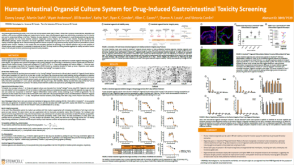 科学海报Human Intestinal Organoid Culture System for Drug-Induced Gastrointestinal Toxicity Screening
 产品手册Highway1™: Fast, Gentle, and Automated Cell Sorting for Every Lab
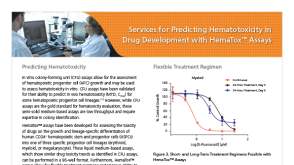 产品手册Services for Predicting Hematotoxicity in Drug Development with HemaTox™ Assays
 沪公网安备31010102008431号