Lagadinou ED et al. (MAR 2013)
Cell stem cell 12 3 329--41
BCL-2 inhibition targets oxidative phosphorylation and selectively eradicates quiescent human leukemia stem cells.
Most forms of chemotherapy employ mechanisms involving induction of oxidative stress,a strategy that can be effective due to the elevated oxidative state commonly observed in cancer cells. However,recent studies have shown that relative redox levels in primary tumors can be heterogeneous,suggesting that regimens dependent on differential oxidative state may not be uniformly effective. To investigate this issue in hematological malignancies,we evaluated mechanisms controlling oxidative state in primary specimens derived from acute myelogenous leukemia (AML) patients. Our studies demonstrate three striking findings. First,the majority of functionally defined leukemia stem cells (LSCs) are characterized by relatively low levels of reactive oxygen species (termed ROS-low"). Second�
View Publication
Disruption of IKAROS activity in primitive chronic-phase CML cells mimics myeloid disease progression.
Without effective therapy,chronic-phase chronic myeloid leukemia (CP-CML) evolves into an acute leukemia (blast crisis [BC]) that displays either myeloid or B-lymphoid characteristics. This transition is often preceded by a clinically recognized,but biologically poorly characterized,accelerated phase (AP). Here,we report that IKAROS protein is absent or reduced in bone marrow blasts from most CML patients with advanced myeloid disease (AP or BC). This contrasts with primitive CP-CML cells and BCR-ABL1-negative acute myeloid leukemia blasts,which express readily detectable IKAROS. To investigate whether loss of IKAROS contributes to myeloid disease progression in CP-CML,we examined the effects of forced expression of a dominant-negative isoform of IKAROS (IK6) in CP-CML patients' CD34(+) cells. We confirmed that IK6 disrupts IKAROS activity in transduced CP-CML cells and showed that it confers on them features of AP-CML,including a prolonged increased output in vitro and in xenografted mice of primitive cells with an enhanced ability to differentiate into basophils. Expression of IK6 in CD34(+) CP-CML cells also led to activation of signal transducer and activator of transcription 5 and transcriptional repression of its negative regulators. These findings implicate loss of IKAROS as a frequent step and potential diagnostic harbinger of progressive myeloid disease in CML patients.
View Publication
Ammirati E et al. (DEC 2008)
Arteriosclerosis,thrombosis,and vascular biology 28 12 2305--11
Expansion of T-cell receptor zeta dim effector T cells in acute coronary syndromes.
OBJECTIVE: The T-cell receptor zeta (TCR zeta)-chain is a master sensor and regulator of lymphocyte responses. Loss of TCR zeta-chain expression has been documented during infectious and inflammatory diseases and defines a population of effector T cells (TCR zeta(dim) T cells) that migrate to inflamed tissues. We assessed the expression and functional correlates of circulating TCR zeta(dim) T cells in coronary artery disease. METHODS AND RESULTS: We examined the expression of TCR zeta-chain by flow cytometry in 140 subjects. Increased peripheral blood CD4(+) TCR zeta(dim) T cells were found in patients with acute coronary syndromes (ACS,n=66; median 5.3%,interquartile 2.6 to 9.1% of total CD4(+) T cells; Ptextless0.0001) compared to chronic stable angina (CSA,n=32; 1.6%; 1.0 to 4.1%) and controls (n=42; 1.5%; 0.5 to 2.9%). Such increase was significantly greater in ACS patients with elevated levels of C-reactive protein,and it persisted after the acute event. Moreover,TCR zeta(dim) cells were also more represented within CD8(+) T cell,NK,and CD4(+)CD28(null) T cell subsets in ACS compared to CSA and controls. Finally,CD4(+) and CD8(+) TCR zeta(dim) T cells isolated from ACS displayed an enhanced transendothelial migratory capacity. CONCLUSIONS: TCR zeta(dim) T cells,an effector T-cell subset with transendothelial migratory ability,are increased in ACS,and may be implicated in coronary instability.
View Publication
产品类型:
产品号#:
19051
19051RF
产品名:
EasySep™人T细胞富集试剂盒
RoboSep™ 人T细胞富集试剂盒含滤芯吸头
Hagness M et al. ( 2012)
The Journal of Immunology 188 11 5459--66
Kinetics and activation requirements of contact-dependent immune suppression by human regulatory T cells
Naturally occurring regulatory T cells (Tregs) maintain self tolerance by dominant suppression of potentially self-reactive T cells in peripheral tissues. However,the activation requirements,the temporal aspects of the suppressive activity,and mode of action of human Tregs are subjects of controversy. In this study,we show that Tregs display significant variability in the suppressive activity ex vivo as 54% of healthy blood donors examined had fully suppressive Tregs spontaneously,whereas in the remaining donors,anti-CD3/CD2/CD28 stimulation was required for Treg suppressive activity. Furthermore,anti-CD3/CD2/CD28 stimulation for 6 h and subsequent fixation in paraformaldehyde rendered the Tregs fully suppressive in all donors. The fixation-resistant suppressive activity of Tregs operated in a contact-dependent manner that was not dependent on APCs,but could be fully obliterated by trypsin treatment,indicating that a cell surface protein is directly involved. By add-back of active,fixed Tregs at different time points after activation of responding T cells,the responder cells were susceptible to Treg-mediated immune suppression up to 24 h after stimulation. This defines a time window in which effector T cells are susceptible to Treg-mediated immune suppression. Lastly,we examined the effect of a set of signaling inhibitors that perturb effector T cell activation and found that none of the examined inhibitors affected Treg activation,indicating pathway redundancy or that Treg activation proceeds by signaling mechanisms distinct from those of effector T cells.
View Publication
Bellemare-Pelletier A et al. (JUL 2005)
Journal of leukocyte biology 78 1 95--105
HLA-DO transduced in human monocyte-derived dendritic cells modulates MHC class II antigen processing.
Through the regulation of human leukocyte antigen (HLA)-DM (DM) in B cells,HLA-DO (DO) modulates positively or negatively the presentation of specific peptides. Transduction of DO into human blood monocyte-derived dendritic cells (MoDC) has been proposed as a mean of modifying the peptide repertoire of major histocompatibility complex class II molecules. However,maturation of DC induced by inflammatory stimuli or possibly the adenoviral vector itself triggers acidification of vesicles and shuts down transcription of the class II transactivator gene as well as de novo biosynthesis of class II-related molecules and DM activity. In these conditions,it is unclear that transduced DO could alter the peptide repertoire. Our Western blot and reverse transcriptase-polymerase chain reaction analyses revealed that human DC derived from blood monocytes express small amounts of DOalpha. Transduction of DObeta alone resulted in the accumulation of a small pool of DO in DM(+) CD63(+) vesicles and at the plasma membrane of mature DC. The cell-surface increase in class II-associated invariant chain peptide (CLIP)/class II complexes is in line with an inhibitory role of DO on DM. Cotransduction of DOalpha and DObeta only slightly increased CLIP and DO levels at the cell surface. Together with the fact that a large fraction of transduced DO remains in the endoplasmic reticulum,this suggests that DM is limiting in these conditions. DO expression did not affect a mixed lymphocyte reaction but reduced presentation of the exogenous gp100 antigen to a specific T cell clone. These results show that transduced DO modulates antigen presentation in human mature MoDC,evoking the possible use of this chaperone for immunotherapy.
View Publication


 EasySep™小鼠TIL(CD45)正选试剂盒





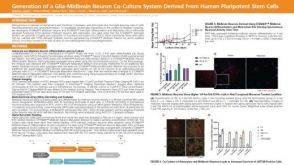 科学海报Generation of a Glia-Midbrain Neuron Co-Culture System Derived From Human Pluripotent Stem Cells
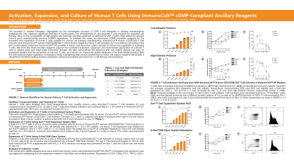 科学海报Activation, Expansion, and Culture of Human T Cells Using ImmunoCult™ cGMP-Compliant Ancillary Reagents
 实验方案Gene Editing Human Peripheral Blood Natural Killer Cells Using the CellPore™ Transfection System
 科学海报Cell Isolation of Human CD4+ Memory T Cells By Column-Free Immunomagnetic Cell Separation


 沪公网安备31010102008431号