Complement receptor 2/CD21- human naive B cells contain mostly autoreactive unresponsive clones.
Complement receptor 2-negative (CR2/CD21(-)) B cells have been found enriched in patients with autoimmune diseases and in common variable immunodeficiency (CVID) patients who are prone to autoimmunity. However,the physiology of CD21(-/lo) B cells remains poorly characterized. We found that some rheumatoid arthritis (RA) patients also display an increased frequency of CD21(-/lo) B cells in their blood. A majority of CD21(-/lo) B cells from RA and CVID patients expressed germline autoreactive antibodies,which recognized nuclear and cytoplasmic structures. In addition,these B cells were unable to induce calcium flux,become activated,or proliferate in response to B-cell receptor and/or CD40 triggering,suggesting that these autoreactive B cells may be anergic. Moreover,gene array analyses of CD21(-/lo) B cells revealed molecules specifically expressed in these B cells and that are likely to induce their unresponsive stage. Thus,CD21(-/lo) B cells contain mostly autoreactive unresponsive clones,which express a specific set of molecules that may represent new biomarkers to identify anergic B cells in humans.
View Publication
产品类型:
产品号#:
15024
15064
产品名:
RosetteSep™ 人B细胞富集抗体混合物
RosetteSep™人B细胞富集抗体混合物
Garnache-Ottou F et al. (FEB 2005)
Blood 105 3 1256--64
Expression of the myeloid-associated marker CD33 is not an exclusive factor for leukemic plasmacytoid dendritic cells.
A new entity of acute leukemia coexpressing CD4(+)CD56(+) markers without any other lineage-specific markers has been identified recently as arising from lymphoid-related plasmacytoid dendritic cells (pDCs). In our laboratory,cells from a patient with such CD4(+)CD56(+) lineage-negative leukemia were unexpectedly found to also express the myeloid marker CD33. To confirm the diagnosis of pDC leukemia despite the CD33 expression,we demonstrated that the leukemic cells indeed exhibited pDC phenotypic and functional properties. In 7 of 8 other patients with CD4(+)CD56(+) pDC malignancies,we were able to confirm that the tumor cells expressed CD33 although with variable expression levels. CD33 expression was shown by flow cytometry,reverse transcriptase-polymerase chain reaction,and immunoblot analysis. Furthermore,CD33 monoclonal antibody stimulation of purified CD4(+)CD56(+) leukemic cells led to cytokine secretion,thus confirming the presence of a functional CD33 on these leukemic cells. Moreover,we found that circulating pDCs in healthy individuals also weakly express CD33. Overall,our results demonstrate that the expression of CD33 on CD4(+)CD56(+) lineage-negative cells should not exclude the diagnosis of pDC leukemia and underline that pDC-specific markers should be used at diagnosis for CD4(+)CD56(+) malignancies.
View Publication
产品类型:
产品号#:
15028
15068
产品名:
RosetteSep™ 人单核细胞富集抗体混合物
RosetteSep™人单核细胞富集抗体混合物
Crispí et al. (OCT 2009)
Journal of immunology (Baltimore,Md. : 1950) 183 7 4675--81
Human TCR-alpha beta+ CD4- CD8- T cells can derive from CD8+ T cells and display an inflammatory effector phenotype.
The origin and function of human double negative (DN) TCR-alphabeta+ T cells is unknown. They are thought to contribute to the pathogenesis of systemic lupus erythematosus because they expand and accumulate in inflamed organs. In this study,we provide evidence that human TCR-alphabeta+ CD4- CD8- DN T cells can derive from activated CD8+ T cells. Freshly isolated TCR-alphabeta+ DN T cells display a distinct gene expression and cytokine production profile. DN cells isolated from peripheral blood as well as DN cells derived in vitro from CD8+ T cells produce a defined array of proinflammatory mediators that includes IL-1beta,IL-17,IFN-gamma,CXCL3,and CXCL2. These results indicate that,upon activation,CD8+ T cells have the capacity to acquire a distinct phenotype that grants them inflammatory capacity.
View Publication
产品类型:
产品号#:
15021
15061
产品名:
RosetteSep™人T细胞富集抗体混合物
RosetteSep™人T细胞富集抗体混合物
Hidalgo LG et al. (MAR 2008)
American journal of transplantation : official journal of the American Society of Transplantation and the American Society of Transplant Surgeons 8 3 627--36
The transcriptome of human cytotoxic T cells: similarities and disparities among allostimulated CD4(+) CTL, CD8(+) CTL and NK cells.
Transcripts expressed in cytotoxic T lymphocytes (CTL) have mechanistic and diagnostic importance in transplantation. We used microarrays to select CTL-associated transcripts (CATs) expressed in human CD4(+) CTL,CD8(+) CTL and NK cells,excluding transcripts expressed in B cells,monocytes and kidney. This generated three transcript sets: CD4(+)-associated,CD8(+)-associated and NK-associated. Surprisingly,many CATs were expressed in effector memory cells e.g. granzyme B/GZMB,interferon-gamma/IFNG. Transcript expression was very similar between CD4(+) and CD8(+) CTL. There were no transcripts highly selective for CD4(+) CTL or CD8(+) CTL: for example,cytotoxic molecule transcripts (perforin,granzymes,granulysin) were shared between CD8(+) CTL and CD4(+) CTL although expression remained higher in CD8(+) CTL. Transcripts that differentiated between CD8(+) CTL and CD4(+) CTL were primarily those shared between CD8(+) CTL and NK cells (e.g. NK receptors KLRC1,KLRC3,KLRD1,KLRK1). No transcripts could differentiate CD4(+) CTL from CD8(+) CTL but NK cell-associated transcripts could differentiate NK cells from CTL. This study serves as a foundation for the interpretation of CATs in rejecting allografts and highlights the extensive sharing of CATs among CD4(+) CTL,CD8(+) CTL and effector memory T cells.
View Publication
产品类型:
产品号#:
18058
18058RF
19053
19053RF
19052
19052RF
19055
19055RF
19054
19054RF
产品名:
EasySep™人CD8+ T细胞富集试剂盒
RoboSep™ 人CD8+ T细胞富集试剂盒含滤芯吸头
EasySep™人CD4+ T细胞富集试剂盒
RoboSep™ 人CD4+ T细胞富集试剂盒含滤芯吸头
EasySep™人NK细胞富集试剂盒
RoboSep™ 人NK细胞富集试剂盒含滤芯吸头
EasySep™人B细胞富集试剂盒
RoboSep™ 人B细胞富集试剂盒含滤芯吸头
Yang L et al. (FEB 2009)
Biotechnology and bioengineering 102 2 521--34
Optimization of an enrichment process for circulating tumor cells from the blood of head and neck cancer patients through depletion of normal cells.
The optimization of a purely negative depletion,enrichment process for circulating tumor cells (CTCs) in the peripheral blood of head and neck cancer patients is presented. The enrichment process uses a red cell lysis step followed by immunomagnetic labeling,and subsequent depletion,of CD45 positive cells. A number of relevant variables are quantified,or attempted to be quantified,which control the performance of the enrichment process. Six different immunomagnetic labeling combinations were evaluated as well as the significant difference in performance with respect to the blood source: buffy coats purchased from the Red Cross,fresh,peripheral blood from normal donors,and fresh peripheral blood from human cancer patients. After optimization,the process is able to reduce the number of normal blood cells in a cancer patient's blood from 4.05 x 10(9) to 8.04 x 10(3) cells/mL and still recover,on average,2.32 CTC per mL of blood. For all of the cancer patient blood samples tested in which CTC were detected (20 out of 26 patients) the average recovery of CTCs was 21.7 per mL of blood,with a range of 282 to 0.53 CTC. Since the initial number of CTC in a patient's blood is unknown,and most probably varies from patient to patient,the recovery of the CTC is unknown. However,spiking studies of a cancer cell line into normal blood,and subsequent enrichment using the optimized protocol indicated an average recovery of approximately 83%. Unlike a majority of other published studies,this study focused on quantifying as many factors as possible to facilitate both the optimization of the process as well as provide information for current and future performance comparisons. The authors are not aware any other reported study which has achieved the performance reported here (a 5.66 log(10)) in a purely negative enrichment mode of operation. Such a mode of operation of an enrichment process provides significant flexibility in that it has no bias with respect to what attributes define a CTC; thereby allowing the researcher or clinician to use any maker they choose to define whether the final,enrich product contains CTCs or other cell type relevant to the specific question (i.e.,does the CTC have predominantly epithelial or mesenchymal characteristics?).
View Publication
Lagadinou ED et al. (MAR 2013)
Cell stem cell 12 3 329--41
BCL-2 inhibition targets oxidative phosphorylation and selectively eradicates quiescent human leukemia stem cells.
Most forms of chemotherapy employ mechanisms involving induction of oxidative stress,a strategy that can be effective due to the elevated oxidative state commonly observed in cancer cells. However,recent studies have shown that relative redox levels in primary tumors can be heterogeneous,suggesting that regimens dependent on differential oxidative state may not be uniformly effective. To investigate this issue in hematological malignancies,we evaluated mechanisms controlling oxidative state in primary specimens derived from acute myelogenous leukemia (AML) patients. Our studies demonstrate three striking findings. First,the majority of functionally defined leukemia stem cells (LSCs) are characterized by relatively low levels of reactive oxygen species (termed ROS-low"). Second�
View Publication
Dendritic Cells but Not Macrophages Sense Tumor Mitochondrial DNA for Cross-priming through Signal Regulatory Protein α Signaling.
Inhibition of cytosolic DNA sensing represents a strategy that tumor cells use for immune evasion,but the underlying mechanisms are unclear. Here we have shown that CD47-signal regulatory protein α (SIRPα) axis dictates the fate of ingested DNA in DCs for immune evasion. Although macrophages were more potent in uptaking tumor DNA,increase of DNA sensing by blocking the interaction of SIRPα with CD47 preferentially occurred in dendritic cells (DCs) but not in macrophages. Mechanistically,CD47 blockade enabled the activation of NADPH oxidase NOX2 in DCs,which in turn inhibited phagosomal acidification and reduced the degradation of tumor mitochondrial DNA (mtDNA) in DCs. mtDNA was recognized by cyclic-GMP-AMP synthase (cGAS) in the DC cytosol,contributing to type I interferon (IFN) production and antitumor adaptive immunity. Thus,our findings have demonstrated how tumor cells inhibit innate sensing in DCs and suggested that the CD47-SIRPα axis is critical for DC-driven antitumor immunity.
View Publication
产品类型:
产品号#:
18780
18780RF
18781
18781RF
19853
19853RF
70025
70025.1
70025.2
70025.3
产品名:
EasySep™ 小鼠CD11c正选试剂盒 II
RoboSep™ 小鼠CD11c正选试剂盒II
EasySep™小鼠CD11c正选试剂盒II及脾脏解离液
RoboSep™ 小鼠CD11c正选试剂盒II及脾脏解离液
EasySep™小鼠CD8+ T细胞分选试剂盒
RoboSep™ 小鼠CD8+ T细胞分选试剂盒
冻存的人外周血单个核细胞
冻存的人外周血单个核细胞
冻存的人外周血单个核细胞
冻存的人外周血单个核细胞
Tsang JY-S et al. (JUL 2006)
Journal of leukocyte biology 80 1 145--51
Altered proximal T cell receptor (TCR) signaling in human CD4+CD25+ regulatory T cells.
CD4+CD25+ regulatory T cells play an important role in peripheral tolerance. Upon T cell receptor (TCR)-mediated activation,the cells fail to proliferate but are induced to have a suppressor function. The intracellular signaling events that lead to their responses have not been elucidated. In this study,we have examined the proximal TCR signaling events in freshly isolated human CD4+CD25+ regulatory T cells after TCR ligation. In contrast to CD4+CD25- T cells,TCR ligation of CD4+CD25+ regulatory T cells by anti-CD3 cross-linking resulted in a lower calcium influx and extracellular signal-regulated kinase 1/2 phosphorylation. Examination of the CD3zeta chain phosphorylation status indicated that CD4+CD25+ regulatory T cells have poor phosphorylation of the protein and consequently,reduced recruitment of zeta-associated protein-70 to the TCR immunoreceptor tyrosine motif. The adaptor protein,Src homology 2 domain-containing leukocyte phosphoprotein of 76 kDa,which relays signals to downstream signaling components,also showed reduced phosphorylation,which correlated with reduced VAV guanine nucleotide exchange factors association. Consistent with other findings,the defect is accompanied with impaired actin cap formation,implicating a failure of actin remodeling of the cells. Together,our results demonstrate that CD4+CD25+ regulatory T cells have altered TCR proximal signaling pathways,which could be critical for inducing the distinct behavior of these cells.
View Publication
产品类型:
产品号#:
15022
15062
产品名:
RosetteSep™人CD4+ T细胞富集抗体混合物
RosetteSep™人CD4+ T细胞富集抗体混合物
Darce JR et al. (MAY 2007)
Journal of immunology (Baltimore,Md. : 1950) 178 9 5612--22
Divergent effects of BAFF on human memory B cell differentiation into Ig-secreting cells.
B cell-activating factor belonging to the TNF family (BAFF) plays a critical role in B cell maturation,yet its precise role in B cell differentiation into Ig-secreting cells (ISCs) remains unclear. In this study,we find that upon isolation human naive and memory B (MB) cells have prebound BAFF on their surface,whereas germinal center (GC) B cells lack detectable levels of prebound BAFF. We attribute their lack of prebound BAFF to cell activation,because we demonstrate that stimulation of naive and MB cells results in the loss of prebound BAFF. Furthermore,the absence of prebound BAFF on GC B cells is not related to a lack of BAFF-binding receptors or an inability to bind exogenous BAFF. Instead,our data suggest that accessibility to soluble BAFF is limited within GCs,perhaps to prevent skewing of the conventional B cell differentiation program. In support of this concept,whereas BAFF significantly enhances ISC differentiation in response to T cell-dependent activation,we report for the first time the ability of BAFF to considerably attenuate ISC differentiation of MB cells in response to CpG stimulation,a form of T cell-independent activation. Our data suggest that BAFF may be providing regulatory signals during specific T cell-independent events,which protect the balance between MB cells and ISCs outside GCs. Taken together,these data define a complex role for BAFF in humoral immune responses and show for the first time that BAFF can also play an inhibitory role in B cell differentiation.
View Publication


 EasySep™小鼠TIL(CD45)正选试剂盒





 科学海报Column-Free Enrichment of EPCAM Positive and CD49F Positive Human Mammary Epithelial Progenitor Cells
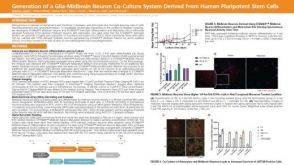 科学海报Generation of a Glia-Midbrain Neuron Co-Culture System Derived From Human Pluripotent Stem Cells

 沪公网安备31010102008431号