Brzeszczynska J et al. (JUN 2014)
International journal of molecular medicine 33 6 1597--1606
Differentiation and molecular profiling of human embryonic stem cell-derived corneal epithelial cells
It has been suggested that the isolation of scalable populations of limbal stem cells may lead to radical changes in ocular therapy. In particular,the derivation and transplantation of corneal stem cells from these populations may result in therapies providing clinical normality of the diseased or damaged cornea. Although feasible in theory,the lack of donor material in sufficient quantity and quality currently limits such a strategy. A potential scalable source of corneal cells could be derived from pluripotent stem cells (PSCs). We developed an in vitro and serum-free corneal differentiation model which displays significant promise. Our stepwise differentiation model was designed with reference to development and gave rise to cells which displayed similarities to epithelial progenitor cells which can be specified to cells displaying a corneal epithelial phenotype. We believe our approach is novel,provides a robust model of human development and in the future,may facilitate the generation of corneal epithelial cells that are suitable for clinical use. Additionally,we demonstrate that following continued cell culture,stem cell-derived corneal epithelial cells undergo transdifferentiation and exhibit squamous metaplasia and therefore,also offer an in vitro model of disease.
View Publication
产品类型:
产品号#:
05850
05857
05870
05875
85850
85857
85870
85875
产品名:
mTeSR™1
mTeSR™1
Ru R et al. (JUN 2013)
Cell Regeneration 2 1 5
Targeted genome engineering in human induced pluripotent stem cells by penetrating TALENs.
BACKGROUND: Zinc-finger nucleases (ZFNs) and transcription activator-like effector nucleases (TALENs) have been successfully used to knock out endogenous genes in stem cell research. However,the deficiencies of current gene-based delivery systems may hamper the clinical application of these nucleases. A new delivery method that can improve the utility of these nucleases is needed.backslashnbackslashnRESULTS: In this study,we utilized a cell-penetrating peptide-based system for ZFN and TALEN delivery. Functional TAT-ZFN and TAT-TALEN proteins were generated by fusing the cell-penetrating TAT peptide to ZFN and TALEN,respectively. However,TAT-ZFN was difficult to purify in quantities sufficient for analysis in cell culture. Purified TAT-TALEN was able to penetrate cells and disrupt the gene encoding endogenous human chemokine (C-C motif) receptor 5 (CCR5,a co-receptor for HIV-1 entry into cells). Hypothermic treatment greatly enhanced the TAT-TALEN-mediated gene disruption efficiency. A 5% modification rate was observed in human induced pluripotent stem cells (hiPSCs) treated with TAT-TALEN as measured by the Surveyor assay.backslashnbackslashnCONCLUSIONS: TAT-TALEN protein-mediated gene disruption was applicable in hiPSCs and represents a promising technique for gene knockout in stem cells. This new technique may advance the clinical application of TALEN technology.
View Publication
产品类型:
产品号#:
05850
05857
05870
05875
85850
85857
85870
85875
产品名:
mTeSR™1
mTeSR™1
Spence JR et al. (FEB 2010)
Nature 470 7332 105--109
Directed differentiation of human pluripotent stem cells into intestinal tissue in vitro
Studies in embryonic development have guided successful efforts to direct the differentiation of human embryonic and induced pluripotent stem cells (PSCs) into specific organ cell types in vitro. For example,human PSCs have been differentiated into monolayer cultures of liver hepatocytes and pancreatic endocrine cells that have therapeutic efficacy in animal models of liver disease and diabetes,respectively. However,the generation of complex three-dimensional organ tissues in vitro remains a major challenge for translational studies. Here we establish a robust and efficient process to direct the differentiation of human PSCs into intestinal tissue in vitro using a temporal series of growth factor manipulations to mimic embryonic intestinal development. This involved activin-induced definitive endoderm formation,FGF/Wnt-induced posterior endoderm pattering,hindgut specification and morphogenesis,and a pro-intestinal culture system to promote intestinal growth,morphogenesis and cytodifferentiation. The resulting three-dimensional intestinal 'organoids' consisted of a polarized,columnar epithelium that was patterned into villus-like structures and crypt-like proliferative zones that expressed intestinal stem cell markers. The epithelium contained functional enterocytes,as well as goblet,Paneth and enteroendocrine cells. Using this culture system as a model to study human intestinal development,we identified that the combined activity of WNT3A and FGF4 is required for hindgut specification whereas FGF4 alone is sufficient to promote hindgut morphogenesis. Our data indicate that human intestinal stem cells form de novo during development. We also determined that NEUROG3,a pro-endocrine transcription factor that is mutated in enteric anendocrinosis,is both necessary and sufficient for human enteroendocrine cell development in vitro. PSC-derived human intestinal tissue should allow for unprecedented studies of human intestinal development and disease.
View Publication
Globin switches in yolk sac-like primitive and fetal-like definitive red blood cells produced from human embryonic stem cells.
We have previously shown that coculture of human embryonic stem cells (hESCs) for 14 days with immortalized fetal hepatocytes yields CD34(+) cells that can be expanded in serum-free liquid culture into large numbers of megaloblastic nucleated erythroblasts resembling yolk sac-derived cells. We show here that these primitive erythroblasts undergo a switch in hemoglobin (Hb) composition during late terminal erythroid maturation with the basophilic erythroblasts expressing predominantly Hb Gower I (zeta(2)epsilon(2)) and the orthochromatic erythroblasts hemoglobin Gower II (alpha(2)epsilon(2)). This suggests that the switch from Hb Gower I to Hb Gower II,the first hemoglobin switch in humans is a maturation switch not a lineage switch. We also show that extending the coculture of the hESCs with immortalized fetal hepatocytes to 35 days yields CD34(+) cells that differentiate into more developmentally mature,fetal liver-like erythroblasts,that are smaller,express mostly fetal hemoglobin,and can enucleate. We conclude that hESC-derived erythropoiesis closely mimics early human development because the first 2 human hemoglobin switches are recapitulated,and because yolk sac-like and fetal liver-like cells are sequentially produced. Development of a method that yields erythroid cells with an adult phenotype remains necessary,because the most mature cells that can be produced with current systems express less than 2% adult beta-globin mRNA.
View Publication
产品类型:
产品号#:
09600
09650
18056
18056RF
产品名:
StemSpan™ SFEM
StemSpan™ SFEM
Ko J-Y et al. (AUG 2014)
Stem cells and development 23 15 1788--1797
Osteogenesis from human induced pluripotent stem cells: an in vitro and in vivo comparison with mesenchymal stem cells.
The purpose of this study was to examine the in vitro and in vivo osteogenic potential of human induced pluripotent stem cells (hiPSCs) against that of human bone marrow mesenchymal stem cells (hBMMSCs). Embryoid bodies (EBs),which were formed from undifferentiated hiPSCs,were dissociated into single cells and underwent osteogenic differentiation using the same medium as hBMMSCs for 14 days. Osteoinduced hiPSCs were implanted on the critical-size calvarial defects and long bone segmental defects in rats. The healing of defects was evaluated after 8 weeks and 12 weeks of implantation,respectively. Osteoinduced hiPSCs showed relatively lower and delayed in vitro expressions of the osteogenic marker COL1A1 and bone sialoprotein,as well as a weaker osteogenic differentiation through alkaline phosphatase staining and mineralization through Alizarin red staining compared with hBMMSCs. Calvarial defects treated with osteoinduced hiPSCs had comparable quality of new bone formation,including full restoration of bone width and robust formation of trabeculae,to those treated with hBMMSCs. Both osteoinduced hiPSCs and hBMMSCs persisted in regenerated bone after 8 weeks of implantation. In critical-size long bone segmental defects,osteoinduced hiPSC treatment also led to healing of segmental defects comparable to osteoinduced hBMMSC treatment after 12 weeks. In conclusion,despite delayed in vitro osteogenesis,hiPSCs have an in vivo osteogenic potential as good as hBMMSCs.
View Publication
产品类型:
产品号#:
05850
05857
05870
05875
85850
85857
85870
85875
产品名:
mTeSR™1
mTeSR™1
Rezania A et al. (NOV 2013)
STEM CELLS 31 11 2432--2442
Enrichment of human embryonic stem cell-derived NKX6.1-expressing pancreatic progenitor cells accelerates the maturation of insulin-secreting cells in vivo
Human embryonic stem cells (hESCs) are considered a potential alternative to cadaveric islets as a source of transplantable cells for treating patients with diabetes. We previously described a differentiation protocol to generate pancreatic progenitor cells from hESCs,composed of mainly pancreatic endoderm (PDX1/NKX6.1-positive),endocrine precursors (NKX2.2/synaptophysin-positive,hormone/NKX6.1-negative),and polyhormonal cells (insulin/glucagon-positive,NKX6.1-negative). However,the relative contributions of NKX6.1-negative versus NKX6.1-positive cell fractions to the maturation of functional β-cells remained unclear. To address this question,we generated two distinct pancreatic progenitor cell populations using modified differentiation protocols. Prior to transplant,both populations contained a high proportion of PDX1-expressing cells (˜85%-90%) but were distinguished by their relatively high (˜80%) or low (˜25%) expression of NKX6.1. NKX6.1-high and NKX6.1-low progenitor populations were transplanted subcutaneously within macroencapsulation devices into diabetic mice. Mice transplanted with NKX6.1-low cells remained hyperglycemic throughout the 5-month post-transplant period whereas diabetes was reversed in NKX6.1-high recipients within 3 months. Fasting human C-peptide levels were similar between groups throughout the study,but only NKX6.1-high grafts displayed robust meal-,glucose- and arginine-responsive insulin secretion as early as 3 months post-transplant. NKX6.1-low recipients displayed elevated fasting glucagon levels. Theracyte devices from both groups contained almost exclusively pancreatic endocrine tissue,but NKX6.1-high grafts contained a greater proportion of insulin-positive and somatostatin-positive cells,whereas NKX6.1-low grafts contained mainly glucagon-expressing cells. Insulin-positive cells in NKX6.1-high,but not NKX6.1-low grafts expressed nuclear MAFA. Collectively,this study demonstrates that a pancreatic endoderm-enriched population can mature into highly functional β-cells with only a minor contribution from the endocrine subpopulation.
View Publication
Amelioration of murine beta-thalassemia through drug selection of hematopoietic stem cells transduced with a lentiviral vector encoding both gamma-globin and the MGMT drug-resistance gene.
Correction of murine models of beta-thalassemia has been achieved through high-level globin lentiviral vector gene transfer into mouse hematopoietic stem cells (HSCs). However,transduction of human HSCs is less robust and may be inadequate to achieve therapeutic levels of genetically modified erythroid cells. We therefore developed a double gene lentiviral vector encoding both human gamma-globin under the transcriptional control of erythroid regulatory elements and methylguanine methyltransferase (MGMT),driven by a constitutive cellular promoter. MGMT expression provides cellular resistance to alkylator drugs,which can be administered to kill residual untransduced,diseased HSCs,whereas transduced cells are protected. Mice transplanted with beta-thalassemic HSCs transduced with a gamma-globin/MGMT vector initially had subtherapeutic levels of red cells expressing gamma-globin. To enrich gamma-globin-expressing cells,transplanted mice were treated with the alkylator agent 1,3-bis-chloroethyl-1-nitrosourea. This resulted in significant increases in the number of gamma-globin-expressing red cells and the amount of fetal hemoglobin,leading to resolution of anemia. Selection of transduced HSCs was also obtained when cells were drug-treated before transplantation. Mice that received these cells demonstrated reconstitution with therapeutic levels of gamma-globin-expressing cells. These data suggest that MGMT-based drug selection holds promise as a modality to improve gene therapy for beta-thalassemia.
View Publication
产品类型:
产品号#:
09600
09650
产品名:
StemSpan™ SFEM
StemSpan™ SFEM
I. Elcheva et al. (jul 2014)
Nature communications 5 164 4372
Direct induction of haematoendothelial programs in human pluripotent stem cells by transcriptional regulators.
Advancing pluripotent stem cell technologies for modelling haematopoietic stem cell development and blood therapies requires identifying key regulators of haematopoietic commitment from human pluripotent stem cells (hPSCs). Here,by screening the effect of 27 candidate factors,we reveal two groups of transcriptional regulators capable of inducing distinct haematopoietic programs from hPSCs: pan-myeloid (ETV2 and GATA2) and erythro-megakaryocytic (GATA2 and TAL1). In both cases,these transcription factors directly convert hPSCs to endothelium,which subsequently transform into blood cells with pan-myeloid or erythro-megakaryocytic potential. These data demonstrate that two distinct genetic programs regulate the haematopoietic development from hPSCs and that both of these programs specify hPSCs directly to haemogenic endothelial cells. In addition,this study provides a novel method for the efficient induction of blood and endothelial cells from hPSCs via the overexpression of modified mRNA for the selected transcription factors.
View Publication
产品类型:
产品号#:
02625
05850
05857
05870
05875
78012
78012.1
78012.2
78012.3
78015
78015.1
78015.2
78015.3
78062
78062.1
78062.2
85850
85857
85870
85875
产品名:
重组人 G-CSF(E. coli表达)
重组人 G-CSF(E. coli表达)
重组人 G-CSF(E. coli表达)
Hu Recom G-CSF, 500 µg
重组人 GM-CSF(E. coli表达)
重组人 GM-CSF(E. coli表达)
重组人 GM-CSF(E. coli表达)
重组人 GM-CSF(E. coli表达)
重组人SCF(大肠杆菌表达)
重组人SCF(大肠杆菌表达)
重组人SCF(大肠杆菌表达)
mTeSR™1
mTeSR™1
Buono M et al. (AUG 2010)
The Journal of experimental medicine 207 8 1647--60
Self-renewal and differentiation of hematopoietic stem cells (HSCs) are balanced by the concerted activities of the fibroblast growth factor (FGF),Wnt,and Notch pathways,which are tuned by enzyme-mediated remodeling of heparan sulfate proteoglycans (HSPGs). Sulfatase modifying factor 1 (SUMF1) activates the Sulf1 and Sulf2 sulfatases that remodel the HSPGs,and is mutated in patients with multiple sulfatase deficiency. Here,we show that the FGF signaling pathway is constitutively activated in Sumf1(-/-) HSCs and hematopoietic stem progenitor cells (HSPCs). These cells show increased p-extracellular signal-regulated kinase levels,which in turn promote beta-catenin accumulation. Constitutive activation of FGF signaling results in a block in erythroid differentiation at the chromatophilic erythroblast stage,and of B lymphocyte differentiation at the pro-B cell stage. A reduction in mature myeloid cells and an aberrant development of T lymphocytes are also seen. These defects are rescued in vivo by blocking the FGF pathway in Sumf1(-/-) mice. Transplantation of Sumf1(-/-) HSPCs into wild-type mice reconstituted the phenotype of the donors,suggesting a cell autonomous defect. These data indicate that Sumf1 controls HSPC differentiation and hematopoietic lineage development through FGF and Wnt signaling.
View Publication
产品类型:
产品号#:
09600
09650
产品名:
StemSpan™ SFEM
StemSpan™ SFEM
Palmer DJ et al. ( 2016)
Molecular therapy. Nucleic acids 5 e372
Homology Requirements for Efficient, Footprintless Gene Editing at the CFTR Locus in Human iPSCs with Helper-dependent Adenoviral Vectors.
Helper-dependent adenoviral vectors mediate high efficiency gene editing in induced pluripotent stem cells without needing a designer nuclease thereby avoiding off-target cleavage. Because of their large cloning capacity of 37 kb,helper-dependent adenoviral vectors with long homology arms are used for gene editing. However,this makes vector construction and recombinant analysis difficult. Conversely,insufficient homology may compromise targeting efficiency. Thus,we investigated the effect of homology length on helper-dependent adenoviral vector targeting efficiency at the cystic fibrosis transmembrane conductance regulator locus in induced pluripotent stem cells and found a positive correlation. With 23.8 and 21.4 kb of homology,the frequencies of targeted recombinants were 50-64.6% after positive selection for vector integration,and 97.4-100% after negative selection against random integrations. With 14.8 kb,the frequencies were 26.9-57.1% after positive selection and 87.5-100% after negative selection. With 9.6 kb,the frequencies were 21.4 and 75% after positive and negative selection,respectively. With only 5.6 kb,the frequencies were 5.6-16.7% after positive selection and 50% after negative selection,but these were more than high enough for efficient identification and isolation of targeted clones. Furthermore,we demonstrate helper-dependent adenoviral vector-mediated footprintless correction of cystic fibrosis transmembrane conductance regulator mutations through piggyBac excision of the selectable marker. However,low frequencies (≤ 1 × 10(-3)) necessitated negative selection for piggyBac-excision product isolation.
View Publication


 EasySep™小鼠TIL(CD45)正选试剂盒





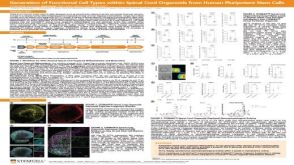 科学海报Generation of Functional 3D Spinal Cord Organoids from Human Pluripotent Stem Cells
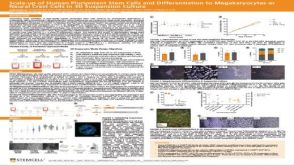 科学海报Scale-up of Human Pluripotent Stem Cells and Differentiation to Megakaryocytes or Neural Crest Cells in 3D Suspension Culture
 沪公网安备31010102008431号