Retinoic acid enhances the generation of hematopoietic progenitors from human embryonic stem cell-derived hemato-vascular precursors.
Current induction schemes directing hematopoietic differentiation of human embryonic stem cells (hESCs) are not well defined to mimic the sequential stages of hematopoietic development in vivo. Here,we report a 3-stage method to direct differentiation of hESCs toward hematopoietic progenitors in chemically defined mediums. In the first 2 stages,we efficiently generated T-positive primitive streak/mesendoderm cells and kinase domain receptor-positive (KDR(+)) platelet-derived growth factor receptor α-negative (PDGFRα(-)) hemato-vascular precursors sequentially. In the third stage,we found that cells in a spontaneous differentiation condition mainly formed erythroid colonies. Addition of all-trans retinoic acid (RA) greatly enhanced generation of hematopoietic progenitors in this stage while suppressing erythroid development. The RA-treated cells highly expressed definitive hematopoietic genes,formed large numbers of multilineage and myeloid colonies,and gave rise to greater than 45% CD45(+) hematopoietic cells. When hematopoietic progenitors were selected with CD34 and C-Kit,greater than 95% CD45(+) hematopoietic cells could be generated. In addition,we found that endogenous RA signaling at the second stage was required for vascular endothelial growth factor/basic fibroblast growth factor-induced hemato-vascular specification,whereas exogenously applied RA efficiently induced KDR(-)PDGFRα(+) paraxial mesoderm cells. Our study suggests that RA signaling plays diverse roles in human mesoderm and hematopoietic development.
View Publication
Meyer C et al. ( 2017)
International journal of nanomedicine 12 3153--3170
Pseudotyping exosomes for enhanced protein delivery in mammalian cells.
Exosomes are cell-derived nanovesicles that hold promise as living vehicles for intracellular delivery of therapeutics to mammalian cells. This potential,however,is undermined by the lack of effective methods to load exosomes with therapeutic proteins and to facilitate their uptake by target cells. Here,we demonstrate how a vesicular stomatitis virus glycoprotein (VSVG) can both load protein cargo onto exosomes and increase their delivery ability via a pseudotyping mechanism. By fusing a set of fluorescent and luminescent reporters with VSVG,we show the successful targeting and incorporation of VSVG fusions into exosomes by gene transfection and fluorescence tracking. We subsequently validate our system by live cell imaging of VSVG and its participation in endosomes/exosomes that are ultimately released from transfected HEK293 cells. We show that VSVG pseudotyping of exosomes does not affect the size or distributions of the exosomes,and both the full-length VSVG and the VSVG without the ectodomain are shown to integrate into the exosomal membrane,suggesting that the ectodomain is not required for protein loading. Finally,exosomes pseudotyped with full-length VSVG are internalized by multiple-recipient cell types to a greater degree compared to exosomes loaded with VSVG without the ectodomain,confirming a role of the ectodomain in cell tropism. In summary,our work introduces a new genetically encoded pseudotyping platform to load and enhance the intracellular delivery of therapeutic proteins via exosome-based vehicles to target cells.
View Publication
产品类型:
产品号#:
05850
05857
05870
05875
85850
85857
85870
85875
产品名:
mTeSR™1
mTeSR™1
Charrier S et al. (AUG 2004)
Blood 104 4 978--85
Inhibition of angiotensin I-converting enzyme induces radioprotection by preserving murine hematopoietic short-term reconstituting cells.
Angiotensin I-converting enzyme (ACE) inhibitors can affect hematopoiesis by several mechanisms including inhibition of angiotensin II formation and increasing plasma concentrations of AcSDKP (acetyl-N-Ser-Asp-Lys-Pro),an ACE substrate and a negative regulator of hematopoiesis. We tested whether ACE inhibition could decrease the hematopoietic toxicity of lethal or sublethal irradiation protocols. In all cases,short treatment with the ACE inhibitor perindopril protected against irradiation-induced death. ACE inhibition accelerated hematopoietic recovery and led to a significant increase in platelet and red cell counts. Pretreatment with perindopril increased bone marrow cellularity and the number of hematopoietic progenitors (granulocyte macrophage colony-forming unit [CFU-GM],erythroid burst-forming unit [BFU-E],and megakaryocyte colony-forming unit [CFU-MK]) from day 7 to 28 after irradiation. Perindopril also increased the number of hematopoietic stem cells with at least a short-term reconstitutive activity in animals that recovered from irradiation. To determine the mechanism of action involved,we evaluated the effects of increasing AcSDKP plasma concentrations and of an angiotensin II type 1 (AT1) receptor antagonist (telmisartan) on radioprotection. We found that the AT1-receptor antagonism mediated similar radioprotection as the ACE inhibitor. These results suggest that ACE inhibitors and AT1-receptor antagonists could be used to decrease the hematopoietic toxicity of irradiation.
View Publication
产品类型:
产品号#:
03134
产品名:
MethoCult™ M3134
Ohno Y et al. (DEC 2010)
Proceedings of the National Academy of Sciences of the United States of America 107 50 21529--34
Hoxb4 transduction down-regulates Geminin protein, providing hematopoietic stem and progenitor cells with proliferation potential.
Retrovirus-mediated transduction of Hoxb4 enhances hematopoietic stem cell (HSC) activity and enforced expression of Hoxb4 induces in vitro development of HSCs from differentiating mouse embryonic stem cells,but the underlying molecular mechanism remains unclear. We previously showed that the HSC activity was abrogated by accumulated Geminin,an inhibitor for the DNA replication licensing factor Cdt1 in mice deficient in Rae28 (also known as Phc1),which encodes a member of Polycomb-group complex 1. In this study we found that Hoxb4 transduction reduced accumulated Geminin in Rae28-deficient mice,despite increasing the mRNA,and restored the impaired HSC activity. Supertransduction of Geminin suppressed the HSC activity induced by Hoxb4 transduction,whereas knockdown of Geminin promoted the clonogenic and replating activities,indicating the importance of Geminin regulation in the molecular mechanism underlying Hoxb4 transduction-mediated enhancement of the HSC activity. This facilitated our investigation of how transduced Hoxb4 reduced Geminin. We showed in vitro and in vivo that Hoxb4 and the Roc1 (also known as Rbx1)-Ddb1-Cul4a ubiquitin ligase core component formed a complex designated as RDCOXB4,which acted as an E3 ubiquitin ligase for Geminin and down-regulated Geminin through the ubiquitin-proteasome system. Down-regulated Geminin and the resultant E2F activation may provide cells with proliferation potential by increasing a DNA prereplicative complex loaded onto chromatin. Here we suggest that transduced Hoxb4 down-regulates Geminin protein probably by constituting the E3 ubiquitin ligase for Geminin to provide hematopoietic stem and progenitor cells with proliferation potential.
View Publication
产品类型:
产品号#:
03231
05350
产品名:
MethoCult™ M3231
Punzel M et al. (APR 2003)
Experimental hematology 31 4 339--47
The symmetry of initial divisions of human hematopoietic progenitors is altered only by the cellular microenvironment.
OBJECTIVE: We examined if cellular elements or adhesive ligands were able to alter asymmetric divisions of CD34(+)/CD38(-) cells in contrast to soluble factors at a single cell level. MATERIALS AND METHODS: After single cell deposition onto 96-well plates,cells were cocultured for 10 days with the stem cell supporting cell line AFT024,fibronectin (FN),or bovine serum albumin (BSA). The divisional history was monitored with time-lapse microscopy. Subsequent function for the most primitive cells was assessed using the myeloid-lymphoid-initiating cell (ML-IC) assay. Committed progenitors were measured using colony-forming cells (CFC). RESULTS: Only contact with AFT024 recruited significant numbers of CD34(+)/CD38(-) cells into cell cycle and increased asymmetric divisions. Although most ML-IC were still identified among cells that have divided fewer than 3 times,a significant number of ML-IC shifted into the fast-dividing fraction after exposure to AFT024. The increase in ML-IC frequency was predominantly due to recruitment of quiescent and slow-dividing cells from the starting population. Increase in CFC activity induced by AFT024 was found only among rapidly dividing cells. CONCLUSIONS: For the first time,we have demonstrated that asymmetric divisions can be altered upon exposure with a stem cell-supporting microenvironment. For the primitive subset of cells (ML-IC),this was predominantly due to recruitment into cell cycle and increased rounds of cycling without loss of function. Exposure to AFT024 cells also increased proliferation and asymmetric divisions of committed CFC. Hence direct communication between hematopoietic progenitors with stroma cells is required for maintaining self-renewal potential.
View Publication
产品类型:
产品号#:
05150
产品名:
MyeloCult™ H5100
Song B et al. (MAY 2015)
Stem cells and development 24 9 1053--1065
Improved hematopoietic differentiation efficiency of gene-corrected beta-thalassemia induced pluripotent stem cells by CRISPR/Cas9 system.
The generation of beta-thalassemia (β-Thal) patient-specific induced pluripotent stem cells (iPSCs),subsequent homologous recombination-based gene correction of disease-causing mutations/deletions in the β-globin gene (HBB),and their derived hematopoietic stem cell (HSC) transplantation offers an ideal therapeutic solution for treating this disease. However,the hematopoietic differentiation efficiency of gene-corrected β-Thal iPSCs has not been well evaluated in the previous studies. In this study,we used the latest gene-editing tool,clustered regularly interspaced short palindromic repeats (CRISPR)/CRISPR-associated 9 (Cas9),to correct β-Thal iPSCs; gene-corrected cells exhibit normal karyotypes and full pluripotency as human embryonic stem cells (hESCs) showed no off-targeting effects. Then,we evaluated the differentiation efficiency of the gene-corrected β-Thal iPSCs. We found that during hematopoietic differentiation,gene-corrected β-Thal iPSCs showed an increased embryoid body ratio and various hematopoietic progenitor cell percentages. More importantly,the gene-corrected β-Thal iPSC lines restored HBB expression and reduced reactive oxygen species production compared with the uncorrected group. Our study suggested that hematopoietic differentiation efficiency of β-Thal iPSCs was greatly improved once corrected by the CRISPR/Cas9 system,and the information gained from our study would greatly promote the clinical application of β-Thal iPSC-derived HSCs in transplantation.
View Publication
Deletion of proapoptotic Puma selectively protects hematopoietic stem and progenitor cells against high-dose radiation.
Bone marrow injury is a major adverse side effect of radiation and chemotherapy. Attempts to limit such damage are warranted,but their success requires a better understanding of how radiation and anticancer drugs harm the bone marrow. Here,we report one pivotal role of the BH3-only protein Puma in the radiosensitivity of hematopoietic stem cells (HSCs) and hematopoietic progenitor cells (HPCs). Puma deficiency in mice confers resistance to high-dose radiation in a hematopoietic cell-autonomous manner. Unexpectedly,loss of one Puma allele is sufficient to confer mice radioresistance. Interestingly,null mutation in Puma protects both primitive and differentiated hematopoietic cells from damage caused by low-dose radiation but selectively protects HSCs and HPCs against high-dose radiation,thereby accelerating hematopoietic regeneration. Consistent with these findings,Puma is required for radiation-induced apoptosis in HSCs and HPCs,and Puma is selectively induced by irradiation in primitive hematopoietic cells,and this induction is impaired in Puma-heterozygous cells. Together,our data indicate that selective targeting of p53 downstream apoptotic targets may represent a novel strategy to protecting HSCs and HPCs in patients undergoing intensive cancer radiotherapy and chemotherapy.
View Publication
产品类型:
产品号#:
产品名:
Zheng J et al. (JAN 2011)
Blood 117 2 470--9
Angiopoietin-like protein 3 supports the activity of hematopoietic stem cells in the bone marrow niche.
The physiologic roles of angiopoietin-like proteins (Angptls) in the hematopoietic system remain unknown. Here we show that hematopoietic stem cells (HSCs) in Angptl3-null mice are decreased in number and quiescence. HSCs transplanted into Angptl3-null recipient mice exhibited impaired repopulation. Bone marrow sinusoidal endothelial cells express high levels of Angptl3 and are adjacent to HSCs. Importantly,bone marrow stromal cells or endothelium deficient in Angptl3 have a significantly decreased ability to support the expansion of repopulating HSCs. Angptl3 represses the expression of the transcription factor Ikaros,whose unregulated overexpression diminishes the repopulation activity of HSCs. Angptl3,as an extrinsic factor,thus supports the stemness of HSCs in the bone marrow niche.
View Publication
产品类型:
产品号#:
03630
03334
03434
03444
09600
09650
28600
产品名:
MethoCult™ M3630
MethoCult™ M3334
MethoCult™ GF M3434
MethoCult™ GF M3434
StemSpan™ SFEM
StemSpan™ SFEM
L-Calc™有限稀释软件
Priestley GV et al. (JAN 2007)
Blood 109 1 109--11
Sustained alterations in biodistribution of stem/progenitor cells in Tie2Cre+ alpha4(f/f) mice are hematopoietic cell autonomous.
We have generated Tie2Cre+alpha4(f/f) mice with documented alpha4-integrin ablation in hematopoietic and endothelial cells. A prominent feature in this model is a sustained,significant increase in circulating progenitors at levels higher than the levels seen with Tie2Cre+VCAM-1(f/f) mice. To test whether phenotypic differences are due to contributions by ligands other than VCAM-1 in bone marrow,or to alpha4-deficient endothelial cells or pericytes,we carried out transplantation experiments using these mice as donors or as recipients. Changes in progenitor biodistribution after transplantation were seen only with alpha4-deficient donor cells,suggesting that these cells were necessary and sufficient to reproduce the phenotype with no discernible contribution by alpha4-deficient nonhematopoietic cells. Because several similarities are seen after transplantation between our results and those with CXCR4-/- donor cells,the data suggest that VLA4/VCAM-1 and CXCR4/CXCL12 pathways contribute to a nonredundant,ongoing signaling required for bone marrow retention of progenitor cells during homeostasis.
View Publication


 EasySep™小鼠TIL(CD45)正选试剂盒





 31:49
线上讲座Using Human Pluripotent Stem Cell-Derived Neural Organoids for Disease Modeling发布日期: 08/01/2024
31:49
线上讲座Using Human Pluripotent Stem Cell-Derived Neural Organoids for Disease Modeling发布日期: 08/01/2024 技术公告Expansion and Differentiation of Hematopoietic Stem and Progenitor Cells into Natural Killer (NK) Cells Using StemSpan™ Medium and Supplements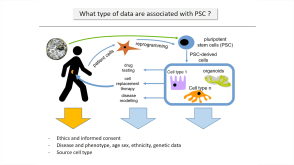

 沪公网安备31010102008431号