Zhang H et al. (AUG 2016)
Cell reports 16 6 1536--1547
Distinct Metabolic States Can Support Self-Renewal and Lipogenesis in Human Pluripotent Stem Cells under Different Culture Conditions.
Recent studies have suggested that human pluripotent stem cells (hPSCs) depend primarily on glycolysis and only increase oxidative metabolism during differentiation. Here,we demonstrate that both glycolytic and oxidative metabolism can support hPSC growth and that the metabolic phenotype of hPSCs is largely driven by nutrient availability. We comprehensively characterized hPSC metabolism by using 13C/2H stable isotope tracing and flux analysis to define the metabolic pathways supporting hPSC bioenergetics and biosynthesis. Although glycolytic flux consistently supported hPSC growth,chemically defined media strongly influenced the state of mitochondrial respiration and fatty acid metabolism. Lipid deficiency dramatically reprogramed pathways associated with fatty acid biosynthesis and NADPH regeneration,altering the mitochondrial function of cells and driving flux through the oxidative pentose phosphate pathway. Lipid supplementation mitigates this metabolic reprogramming and increases oxidative metabolism. These results demonstrate that self-renewing hPSCs can present distinct metabolic states and highlight the importance of medium nutrients on mitochondrial function and development. Zhang et al. apply metabolic flux analysis to comprehensively characterize the metabolism of human pluripotent stem cells cultured in different media. Cells maintained in chemically defined media significantly upregulate lipid biosynthesis and redox pathways to compensate for medium lipid deficiency while downregulating oxidative mitochondrial metabolism.
View Publication
产品类型:
产品号#:
05850
05857
05870
05875
85850
85857
85870
85875
产品名:
mTeSR™1
mTeSR™1
Beltrami AP et al. (NOV 2007)
Blood 110 9 3438--46
Multipotent cells can be generated in vitro from several adult human organs (heart, liver, and bone marrow).
The aims of our study were to verify whether it was possible to generate in vitro,from different adult human tissues,a population of cells that behaved,in culture,as multipotent stem cells and if these latter shared common properties. To this purpose,we grew and cloned finite cell lines obtained from adult human liver,heart,and bone marrow and named them human multipotent adult stem cells (hMASCs). Cloned hMASCs,obtained from the 3 different tissues,expressed the pluripotent state-specific transcription factors Oct-4,NANOG,and REX1,displayed telomerase activity,and exhibited a wide range of differentiation potential,as shown both at a morphologic and functional level. hMASCs maintained a human diploid DNA content,and shared a common gene expression signature,compared with several somatic cell lines and irrespectively of the tissue of isolation. In particular,the pathways regulating stem cell self-renewal/maintenance,such as Wnt,Hedgehog,and Notch,were transcriptionally active. Our findings demonstrate that we have optimized an in vitro protocol to generate and expand cells from multiple organs that could be induced to acquire morphologic and functional features of mature cells even embryologically not related to the tissue of origin.
View Publication
产品类型:
产品号#:
05401
05402
05411
产品名:
MesenCult™ MSC 基础培养基(人)
MesenCult™ MSC刺激添加物(人)
MesenCult™ 增殖试剂盒(人)
Lou Y-R et al. (FEB 2014)
Stem Cells and Development 23 4 380--392
The Use of Nanofibrillar Cellulose Hydrogel As a Flexible Three-Dimensional Model to Culture Human Pluripotent Stem Cells
Human embryonic stem cells and induced pluripotent stem cells have great potential in research and thera-pies. The current in vitro culture systems for human pluripotent stem cells (hPSCs) do not mimic the three-dimensional (3D) in vivo stem cell niche that transiently supports stem cell proliferation and is subject to changes which facilitate subsequent differentiation during development. Here,we demonstrate,for the first time,that a novel plant-derived nanofibrillar cellulose (NFC) hydrogel creates a flexible 3D environment for hPSC culture. The pluripotency of hPSCs cultured in the NFC hydrogel was maintained for 26 days as evidenced by the expression of OCT4,NANOG,and SSEA-4,in vitro embryoid body formation and in vivo teratoma formation. The use of a cellulose enzyme,cellulase,enables easy cell propagation in 3D culture as well as a shift between 3D and two-dimensional cultures. More importantly,the removal of the NFC hydrogel facilitates differentiation while retaining 3D cell organization. Thus,the NFC hydrogel represents a flexible,xeno-free 3D culture system that supports pluripotency and will be useful in hPSC-based drug research and regenerative medicine.
View Publication
产品类型:
产品号#:
05850
05857
05870
05875
07923
85850
85857
85870
85875
产品名:
Dispase (1 U/mL)
mTeSR™1
mTeSR™1
Lian X et al. (MAR 2013)
PLoS ONE 8 3 e60016
A Small Molecule Inhibitor of Src Family Kinases Promotes Simple Epithelial Differentiation of Human Pluripotent Stem Cells
Human pluripotent stem cells (hPSCs) provide unprecedented opportunities to study the earliest stages of human development in vitro and have the potential to provide unlimited new sources of cells for regenerative medicine. Although previous studies have reported cytokeratin 14+/p63+ keratinocyte generation from hPSCs,the multipotent progenitors of epithelial lineages have not been described and the developmental pathways regulating epithelial commitment remain largely unknown. Here we report membrane localization of β-catenin during retinoic acid (RA)--induced epithelial differentiation. In addition hPSC treatment with the Src family kinase inhibitor SU6656 modulated β-catenin localization and produced an enriched population of simple epithelial cells under defined culture conditions. SU6656 strongly upregulated expression of cytokeratins 18 and 8 (K18/K8),which are expressed in simple epithelial cells,while repressing expression of the pluripotency gene Oct4. This homogeneous population of K18+K8+Oct4- simple epithelial precursor cells can further differentiate into cells expressing keratinocyte or corneal-specific markers. These enriched hPSC-derived simple epithelial cells may provide a ready source for development and toxicology cell models and may serve as a progenitor for epithelial cell transplantation applications.
View Publication
Pasquier J et al. (JUN 2017)
The Journal of heart and lung transplantation : the official publication of the International Society for Heart Transplantation 36 6 684--693
Coculturing with endothelial cells promotes in vitro maturation and electrical coupling of human embryonic stem cell-derived cardiomyocytes.
BACKGROUND Pluripotent human embryonic stem cells (hESC) are a promising source of repopulating cardiomyocytes. We hypothesized that we could improve maturation of cardiomyocytes and facilitate electrical interconnections by creating a model that more closely resembles heart tissue; that is,containing both endothelial cells (ECs) and cardiomyocytes. METHODS We induced cardiomyocyte differentiation in the coculture of an hESC line expressing the cardiac reporter NKX2.5-green fluorescent protein (GFP),and an Akt-activated EC line (E4(+)ECs). We quantified spontaneous beating rates,synchrony,and coordination between different cardiomyocyte clusters using confocal imaging of Fura Red-detected calcium transients and computer-assisted image analysis. RESULTS After 8 days in culture,94% ± 6% of the NKX2-5GFP(+) cells were beating when hESCs embryonic bodies were plated on E4(+)ECs compared with 34% ± 12.9% for controls consisting of hESCs cultured on BD Matrigel (BD Biosciences) without ECs at Day 11 in culture. The spatial organization of beating areas in cocultures was different. The GFP(+) cardiomyocytes were close to the E4(+)ECs. The average beats/min of the cardiomyocytes in coculture was faster and closer to physiologic heart rates compared with controls (50 ± 14 [n = 13] vs 25 ± 9 [n = 8]; p < 0.05). The coculture with ECs led to synchronized beating relying on the endothelial network,as illustrated by the loss of synchronization upon the disruption of endothelial bridges. CONCLUSIONS The coculturing of differentiating cardiomyocytes with Akt-activated ECs but not EC-conditioned media results in (1) improved efficiency of the cardiomyocyte differentiation protocol and (2) increased maturity leading to better intercellular coupling with improved chronotropy and synchrony.
View Publication
Daga A et al. (MAY 2000)
Experimental hematology 28 5 569--74
The retroviral transduction of HOXC4 into human CD34(+) cells induces an in vitro expansion of clonogenic and early progenitors.
OBJECTIVE: +HOX genes are expressed in the hematopoietic system and increasing data point to their involvement in the control of proliferation and/or differentiation. Genes belonging to the C cluster are preferentially expressed in developing and differentiated lymphoid lineages. However,recent studies demonstrated,by RT-PCR,that the HOXC4 gene is also actively transcribed in the most undifferentiated hematopoietic cells (CD34(+)38(low)) and in more mature myeloid and erythroid progenitors. We evaluated the expression of HOXC4 protein on human CD34(+) cells and the in vitro effect of its overexpression on proliferation and differentiation. MATERIALS AND METHODS: We assessed the expression of HOXC4 on human CD34(+) cells using a polyclonal antibody raised against the C-terminal portion of the protein expressed using the baculovirus system. Overexpression of HOXC4 in human CD34(+) cells was obtained by retroviral gene transfer; its effect on clonogenic (CFU-GM,BFU-E,and CFU-GEMM) and early progenitors (LTC-IC) was evaluated. RESULTS: The HOXC4 protein is indeed expressed in human CD34(+) cells,and its overexpression in human CD34(+) cells increases the proliferation potential of clonogenic and early progenitors. CFU-GM showed a median threefold expansion (range: 1.1-19.4; p textless 0.002) compared with control transduced with the vector alone. The increment of BFU-E was higher (median ninefold,range 2.5-35; p textless 0. 0009) and erythroid colonies presented a larger size with normal morphology. An even more marked effect was observed on LTC-IC (median 13,onefold; range 4.1-102.1,p textless 0.0001). CONCLUSION: We demonstrate that HOXC4 is expressed in CD34(+) cells and that its overexpression induces an in vitro expansion of committed as well as very early hematopoietic progenitors. The most striking effect was obtained on LTC-IC with an expansion of 13.1-fold. The enforced expression of HOXC4 induced a significant increase (p textless 0.009) in the number of erythroid colonies compared with CFU-GM,although without perturbing,at least in vitro,the maturation program of the cells. On the other hand,the effect of the gene overexpression did not induce any skewing in the colony types derived from the myeloid lineage.
View Publication
产品类型:
产品号#:
04536
产品名:
MethoCult™ SF H4536
Kimura T et al. (JUN 2004)
Blood 103 12 4478--86
The sphingosine 1-phosphate receptor agonist FTY720 supports CXCR4-dependent migration and bone marrow homing of human CD34+ progenitor cells.
The novel immunosuppressant FTY720 activates sphingosine 1-phosphate receptors (S1PRs) that affect responsiveness of lymphocytes to chemokines such as stromal cell-derived factor 1 (SDF-1),resulting in increased lymphocyte homing to secondary lymphoid organs. Since SDF-1 and its receptor CXCR4 are also involved in bone marrow (BM) homing of hematopoietic stem and progenitor cells (HPCs),we analyzed expression of S1PRs and the influence of FTY720 on SDF-1/CXCR4-mediated effects in human HPCs. By reverse transcriptase-polymerase chain reaction (RT-PCR),S1PRs were expressed in mobilized CD34+ HPCs,particularly in primitive CD34+/CD38- cells. Incubation of HPCs with FTY720 resulted in prolonged SDF-1-induced calcium mobilization and actin polymerization,and substantially increased SDF-1-dependent in vitro transendothelial migration,without affecting VLA-4,VLA-5,and CXCR4 expression. In nonobese diabetic-severe combined immunodeficient (NOD/SCID) mice,the number of CD34+/CD38- cells that homed to the BM after 18 hours was significantly raised by pretreatment of animals and cells with FTY720,tending to result in improved engraftment. In addition,in vitro growth of HPCs (week-5 cobblestone area-forming cells [CAFCs]) was 2.4-fold increased. We conclude that activation of S1PRs by FTY720 increases CXCR4 function in HPCs both in vitro and in vivo,supporting homing and proliferation of HPCs. In the hematopoietic microenvironment,S1PRs are involved in migration and maintenance of HPCs by modulating the effects of SDF-1.
View Publication
产品类型:
产品号#:
04230
产品名:
MethoCult™ H4230
Carlo-Stella C et al. (JAN 2007)
Stem cells (Dayton,Ohio) 25 1 252--61
Placental growth factor-1 potentiates hematopoietic progenitor cell mobilization induced by granulocyte colony-stimulating factor in mice and nonhuman primates.
The complex hematopoietic effects of placental growth factor (PlGF) prompted us to test in mice and nonhuman primates the mobilization of peripheral blood progenitor cells (PBPCs) elicited by recombinant mouse PlGF-2 (rmPlGF-2) and recombinant human PlGF-1 (rhPlGF-1). PBPC mobilization was evaluated by assaying colony-forming cells (CFCs),high-proliferative potential-CFCs (HPP-CFCs),and long-term culture-initiating cells (LTC-ICs). In mice,both rmPlGF-2 and rhPlGF-1 used as single agents failed to mobilize PBPCs,whereas the combination of rhPlGF-1 and granulocyte colony-stimulating factor (rhG-CSF) increased CFCs and LTC-ICs per milliliter of blood by four- and eightfold,respectively,as compared with rhG-CSF alone. rhPlGF-1 plus rhG-CSF significantly increased matrix metalloproteinase-9 plasma levels over rhG-CSF alone,suggesting a mechanistic explanation for rhPlGF-1/rhG-CSF synergism. In rhesus monkeys,rhPlGF-1 alone had no mobilization effect,whereas rhPlGF-1 (260 microg/kg per day) plus rhG-CSF (100 microg/kg per day) increased rhG-CSF-elicited mobilization of CFCs,HPP-CFCs,and LTC-ICs per milliliter of blood by 5-,7-,and 15-fold,respectively. No specific toxicity was associated with the administration of rhPlGF-1 alone or in combination. In conclusion,our data demonstrate that rhPlGF-1 significantly increases rhG-CSF-elicited hematopoietic mobilization and provide a preclinical rationale for evaluating rhPlGF-1 in the clinical setting.
View Publication
产品类型:
产品号#:
05150
产品名:
MyeloCult™ H5100
Vazin T et al. (JAN 2014)
Biomaterials 35 3 941--948
The effect of multivalent Sonic hedgehog on differentiation of human embryonic stem cells into dopaminergic and GABAergic neurons
Stem cell differentiation is regulated by complex repertoires of signaling ligands which often use multivalent interactions,where multiple ligands tethered to one entity interact with multiple cellular receptors to yield oligomeric complexes. One such ligand is Sonic hedgehog (Shh),whose posttranslational lipid modifications and assembly into multimers enhance its biological potency,potentially through receptor clustering. Investigations of Shh typically utilize recombinant,monomeric protein,and thus the impact of multivalency on ligand potency is unexplored. Among its many activities,Shh is required for ventralization of the midbrain and forebrain and is therefore critical for the development of midbrain dopaminergic (mDA) and forebrain gamma-aminobutyric acid (GABA) inhibitory neurons. We have designed multivalent biomaterials presenting Shh in defined spatial arrangements and investigated the role of Shh valency in ventral specification of human embryonic stem cells (hESCs) into these therapeutically relevant cell types. Multivalent Shh conjugates with optimal valencies,compared to the monomeric Shh,increased the percentages of neurons belonging to mDA or forebrain GABAergic fates from 33% to 60% or 52% to 86%,respectively. Thus,multivalent Shh bioconjugates can enhance neuronal lineage commitment of pluripotent stem cells and thereby facilitate efficient derivation of neurons that could be used to treat Parkinson's and epilepsy patients.
View Publication
产品类型:
产品号#:
05850
05857
05870
05875
85850
85857
85870
85875
产品名:
mTeSR™1
mTeSR™1
Greene WA et al. (JUN 2014)
Journal of visualized experiments : JoVE 88 e51589
MicroRNA expression profiles of human iPS cells, retinal pigment epithelium derived from iPS, and fetal retinal pigment epithelium.
The objective of this report is to describe the protocols for comparing the microRNA (miRNA) profiles of human induced-pluripotent stem (iPS) cells,retinal pigment epithelium (RPE) derived from human iPS cells (iPS-RPE),and fetal RPE. The protocols include collection of RNA for analysis by microarray,and the analysis of microarray data to identify miRNAs that are differentially expressed among three cell types. The methods for culture of iPS cells and fetal RPE are explained. The protocol used for differentiation of RPE from human iPS is also described. The RNA extraction technique we describe was selected to allow maximal recovery of very small RNA for use in a miRNA microarray. Finally,cellular pathway and network analysis of microarray data is explained. These techniques will facilitate the comparison of the miRNA profiles of three different cell types.
View Publication


 EasySep™小鼠TIL(CD45)正选试剂盒





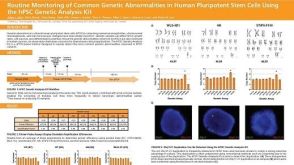 科学海报Routine Monitoring of Common Genetic Abnormalities in Human Pluripotent Stem Cells Using the hPSC Genetic Analysis Kit
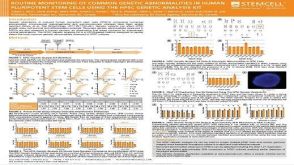 科学海报Routine Monitoring of Common Genetic Abnormalities in Human Pluripotent Stem Cells Using the hPSC Genetic Analysis Kit
 沪公网安备31010102008431号