Deonarain R et al. (NOV 2003)
Proceedings of the National Academy of Sciences of the United States of America 100 23 13453--8
Critical roles for IFN-beta in lymphoid development, myelopoiesis, and tumor development: links to tumor necrosis factor alpha.
We have generated mice null for IFN-beta and report the diverse consequences of IFN-beta for both the innate and adaptive arms of immunity. Despite no abnormalities in the proportional balance of CD4 and CD8 T cell populations in the peripheral blood,thymus,and spleen of IFN-beta-/- mice,activated lymph node and splenic T lymphocytes exhibit enhanced T cell proliferation and decreased tumor necrosis factor alpha production,relative to IFN-beta+/+ mice. Notably,constitutive and induced expression of tumor necrosis factor alpha is reduced in the spleen and bone marrow (BM) macrophages,respectively,of IFN-beta-/- mice. We also observe an altered splenic architecture in IFN-beta-/- mice and a reduction in resident macrophages. We identify a potential defect in B cell maturation in IFN-beta-/- mice,associated with a decrease in B220+ve/high/CD43-ve BM-derived cells and a reduction in BP-1,IgM,and CD23 expression. Circulating IgM-,Mac-1-,and Gr-1-positive cells are also substantially decreased in IFN-beta-/- mice. The decrease in the numbers of circulating macrophages and granulocytes likely reflects defective maturation of primitive BM hematopoiesis in mice,shown by the reduction of colony-forming units,granulocyte-macrophage. We proceeded to evaluate the in vivo growth of malignant cells in the IFN-beta-/- background and give evidence that Lewis lung carcinoma-specific tumor growth is more aggressive in IFN-beta-/- mice. Taken altogether,our data suggest that,in addition to the direct growth-inhibitory effects on tumor cells,IFN-beta is required during different stages of maturation in the development of the immune system.
View Publication
产品号#:
03434
03444
产品名:
MethoCult™ GF M3434
MethoCult™ GF M3434
Li Q et al. (AUG 2005)
Proceedings of the National Academy of Sciences of the United States of America 102 35 12425--30
Enhanced NF-kappaB activation and cellular function in macrophages lacking IkappaB kinase 1 (IKK1).
IkappaB kinase (IKK) complex plays a key regulatory role in macrophages for NF-kappaB activation during both innate and adaptive immune responses. Because IKK1-/- mice died at birth,we differentiated functional macrophages from embryonic day 15.5 IKK1 mutant embryonic liver. The embryonic liver-derived macrophage (ELDM) showed enhanced phagocytotic clearance of bacteria,more efficient antigen-presenting capacity,elevated secretion of several key proinflammatory cytokines and chemokines,and known NFkappaB target genes. Increased NFkappaB activity in IKK1 mutant ELDM was the result of prolonged degradation of IkappaBalpha in response to infectious pathogens. The delayed restoration of IkappaBalpha in pathogen-activated IKK1-/- ELDM was a direct consequence of uncontrolled IKK2 kinase activity. We hypothesize that IKK1 plays a checkpoint role in the proper control of IkappaBalpha kinase activity in innate and adaptive immunity.
View Publication
产品号#:
02532
02832
09600
09650
产品名:
StemSpan™ SFEM
StemSpan™ SFEM
Newman SL et al. (FEB 2006)
Journal of immunology (Baltimore,Md. : 1950) 176 3 1806--13
Human macrophages do not require phagosome acidification to mediate fungistatic/fungicidal activity against Histoplasma capsulatum.
Histoplasma capsulatum (Hc) is a facultative intracellular fungus that modulates the intraphagosomal environment to survive within macrophages (Mphi). In the present study,we sought to quantify the intraphagosomal pH under conditions in which Hc yeasts replicated or were killed. Human Mphi that had ingested both viable and heat-killed or fixed yeasts maintained an intraphagosomal pH of approximately 6.4-6.5 over a period of several hours. These results were obtained using a fluorescent ratio technique and by electron microscopy using the 3-(2,4-dinitroanilo)-3'-amino-N-methyldipropylamine reagent. Mphi that had ingested Saccharomyces cerevisae,a nonpathogenic yeast that is rapidly killed and degraded by Mphi,also maintained an intraphagosomal pH of approximately 6.5 over a period of several hours. Stimulation of human Mphi fungicidal activity by coculture with chloroquine or by adherence to type 1 collagen matrices was not reversed by bafilomycin,an inhibitor of the vacuolar ATPase. Human Mphi cultured in the presence of bafilomycin also completely degraded heat-killed Hc yeasts,whereas mouse peritoneal Mphi digestion of yeasts was completely reversed in the presence of bafilomycin. However,bafilomycin did not inhibit mouse Mphi fungistatic activity induced by IFN-gamma. Thus,human Mphi do not require phagosomal acidification to kill and degrade Hc yeasts,whereas mouse Mphi do require acidification for fungicidal but not fungistatic activity.
View Publication
产品号#:
18058
18058RF
产品名:
M. Riopel et al. ( 2019)
Molecular metabolism 20 89--101
CX3CL1-Fc treatment prevents atherosclerosis in Ldlr KO mice.
OBJECTIVE Atherosclerosis is a major cause of cardiovascular disease. Monocyte-endothelial cell interactions are partly mediated by expression of monocyte CX3CR1 and endothelial cell fractalkine (CX3CL1). Interrupting the interaction between this ligand-receptor pair should reduce monocyte binding to the endothelial wall and reduce atherosclerosis. We sought to reduce atherosclerosis by preventing monocyte-endothelial cell interactions through use of a long-acting CX3CR1 agonist. METHODS In this study,the chemokine domain of CX3CL1 was fused to the mouse Fc region to generate a long-acting soluble form of CX3CL1 suitable for chronic studies. CX3CL1-Fc or saline was injected twice a week (30 mg/kg) for 4 months into Ldlr knockout (KO) mice on an atherogenic western diet. RESULTS CX3CL1-Fc-treated Ldlr KO mice showed decreased en face aortic lesion surface area and reduced aortic root lesion size with decreased necrotic core area. Flow cytometry analyses of CX3CL1-Fc-treated aortic wall cell digests revealed a decrease in M1-like polarized macrophages and T cells. Moreover,CX3CL1-Fc administration reduced diet-induced atherosclerosis after switching from an atherogenic to a normal chow diet. In vitro monocyte adhesion studies revealed that CX3CL1-Fc treatment caused fewer monocytes to adhere to a human umbilical vein endothelial cell monolayer. Furthermore,a dorsal window chamber model demonstrated that CX3CL1-Fc treatment decreased in vivo leukocyte adhesion and rolling in live capillaries after short-term ischemia-reperfusion. CONCLUSION These results indicate that CX3CL1-Fc can inhibit monocyte/endothelial cell adhesion as well as reduce atherosclerosis.
View Publication
产品号#:
19861
19861RF
产品名:
EasySep™小鼠单核细胞分选试剂盒
RoboSep™ 小鼠单核细胞分选试剂盒
Kim M-H et al. (MAR 2011)
Blood 117 12 3343--52
Neutrophil survival and c-kit(+)-progenitor proliferation in Staphylococcus aureus-infected skin wounds promote resolution.
Polymorphonuclear neutrophils (PMNs) are critical for the formation,maintenance,and resolution of bacterial abscesses. However,the mechanisms that regulate PMN survival and proliferation during the evolution of an abscess are not well defined. Using a mouse model of Staphylococcus aureus abscess formation within a cutaneous wound,combined with real-time imaging of genetically tagged PMNs,we observed that a high bacterial burden elicited a sustained mobilization of PMNs from the bone marrow to the infected wound,where their lifespan was markedly extended. A continuous rise in wound PMN number,which was not accounted for by trafficking from the bone marrow or by prolonged survival,was correlated with the homing of c-kit(+)-progenitor cells from the blood to the wound,where they proliferated and formed mature PMNs. Furthermore,by blocking their recruitment with an antibody to c-kit,which severely limited the proliferation of mature PMNs in the wound and shortened mouse survival,we confirmed that progenitor cells are not only important contributors to PMN expansion in the wound,but are also functionally important for immune protection. We conclude that the abscess environment provides a niche capable of regulating PMN survival and local proliferation of bone marrow-derived c-kit(+)-progenitor cells.
View Publication
产品号#:
03434
03444
产品名:
MethoCult™ GF M3434
MethoCult™ GF M3434
Ferraz N et al. (JAN 2010)
International journal of biomaterials 2010 402715
Nanoporosity of alumina surfaces induces different patterns of activation in adhering monocytes/macrophages.
The present study shows that alumina nanotopography affects monocyte/macrophage behavior. Human mononuclear cells cultured on alumina membranes with pore diameters of 20 and 200 nm were evaluated in terms of cell adhesion,viability,morphology,and release of proinflammatory cytokines. After 24 hours,cell adhesion was assessed by means of light microscopy and cell viability by measuring LDH release. The inflammatory response was evaluated by quantifying interleukin-1β and tumour necrosis factor-α. Finally,scanning electron microscopy was used to study cell morphology. Results showed pronounced differences in cell number,morphology,and cytokine release depending on the nanoporosity. Few but highly activated cells were found on the 200 nm porous alumina,while relatively larger number of cells were found on the 20 nm porous surface. However,despite their larger number,the cells adhering on the 20 nm surface exhibited reduced pro-inflammatory activity. The data of this paper implies that nanotopography could be exploited for controlling the inflammatory response to implants.
View Publication
产品号#:
15028
15068
产品名:
RosetteSep™人单核细胞富集抗体混合物
RosetteSep™人单核细胞富集抗体混合物
Miner JJ et al. (MAR 2011)
The Journal of biological chemistry 286 11 9577--86
Cytoplasmic domain of P-selectin glycoprotein ligand-1 facilitates dimerization and export from the endoplasmic reticulum.
P-selectin glycoprotein ligand-1 (PSGL-1) is a homodimeric transmembrane mucin on leukocytes. During inflammation,reversible interactions of PSGL-1 with selectins mediate leukocyte rolling on vascular surfaces. The transmembrane domain of PSGL-1 is required for dimerization,and the cytoplasmic domain propagates signals that activate β(2) integrins to slow rolling on integrin ligands. Leukocytes from knock-in ΔCD" mice express a truncated PSGL-1 that lacks the cytoplasmic domain. Unexpectedly�
View Publication
Lambrianides A et al. (JUN 2010)
Journal of immunology (Baltimore,Md. : 1950) 184 12 6622--8
Effects of polyclonal IgG derived from patients with different clinical types of the antiphospholipid syndrome on monocyte signaling pathways.
A major mechanism of hypercoagulability in the antiphospholipid syndrome (APS) is antiphospholipid Ab-mediated upregulation of tissue factor (TF) on monocytes via activation of TLRs,p38 MAPK,and NF-kappaB pathways. We examined whether monocyte signaling pathways are differentially activated by IgG from patients with vascular thrombosis (VT) alone compared with IgG from patients with pregnancy morbidity (PM) alone. We purified IgG from 49 subjects. A human monocyte cell line and ex vivo healthy monocytes were treated with 100 microg/ml IgG for 6 h,and cell extracts were examined by immunoblot using Abs to p38 MAPK and NF-kappaB. To further investigate intracellular signaling pathways induced by these IgGs,specific inhibitors of p38 MAPK,NF-kappaB,TLR4,and TLR2 were used to determine their effect on TF activity. Only IgG from patients with VT but no PM (VT+/PM-) caused phosphorylation of NF-kappaBand p38 MAPK and upregulation of TF activity in monocytes. These effects were not seen with IgG from patients with PM alone (VT-/PM+),anti-phospholipid Ab-positive patients without APS,or healthy controls. TF upregulation caused by the VT+/PM- samples was reduced by inhibitors of p38 MAPK,NF-kappaB,and TLR4. The effects of VT+/PM- IgG on signaling and TF upregulation were concentrated in the fraction that bound beta-2-glycoprotein I. Our findings demonstrate that IgGs from patients with diverse clinical manifestations of APS have differential effects upon phosphorylation of NF-kappaB and p38 MAPK and TF activity that may be mediated by differential activation of TLR4.
View Publication


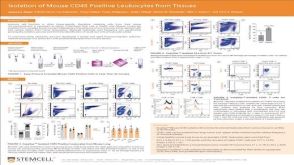
 EasySep™小鼠TIL(CD45)正选试剂盒






 沪公网安备31010102008431号